
6 Gesso Primers For Surface Coating To Master
Master your next art project with our guide to the 6 best gesso primers for surface coating. Discover the perfect base for your canvas and shop your finish today.
Achieving a professional finish on canvas or wood boards requires the same patience as selecting the perfect yarn for an intricate cable project. Just as a knitter must choose between the slip of nickel-plated needles and the grip of wood, the choice of gesso changes how paint interacts with a surface. Proper priming prevents materials from soaking up expensive paint while providing the necessary “tooth” for pigment to adhere. This guide breaks down the essential primers that ensure every project starts on a solid foundation.
Liquitex Basics Gesso: Best For Most Projects
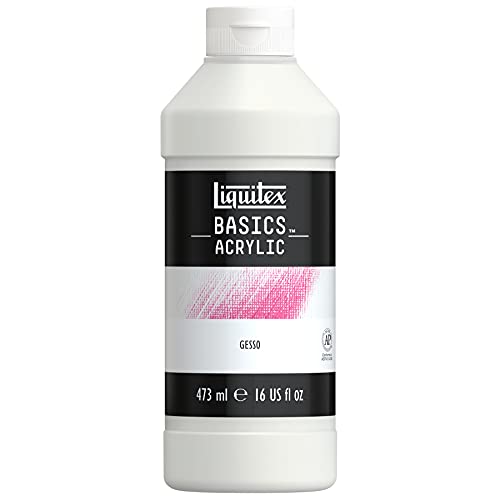

This primer serves as the entry-level standard for artists who want reliability without overthinking the technical chemistry. It behaves much like a versatile, mid-weight wool blend yarn—it performs consistently across a wide range of applications and is forgiving enough for beginners.
The formulation is balanced, offering enough opacity to cover most surfaces in one or two coats. It dries relatively quickly, allowing for a swift transition from prep work to the actual creative process.
For those practicing colorwork, think of this as the reliable workhorse of the studio. It provides a neutral, functional base that won’t distract from the final design.
Golden Artist Colors Gesso: Pro-Grade Coverage

When a project demands high-end results, such as a large-scale painting or a commission piece, Golden offers a superior density that justifies the investment. Much like using a hand-dyed, high-twist silk-mohair blend, the quality difference is immediately apparent in the structural integrity of the final work.
The coverage is exceptionally opaque and durable, creating a resilient barrier that protects the substrate from acidic paints. It creates a surface with significant tooth, ensuring that heavy-bodied acrylics or oils grab onto the canvas with ease.
Expect a thicker consistency that requires careful application to avoid visible brush strokes. For those who prioritize longevity and professional archival standards, this remains the gold standard.
Winsor & Newton Gesso: For A Super Smooth Base
Consistency is the hallmark of this brand, much like a high-quality, evenly spun merino yarn. It flows onto surfaces with minimal resistance, making it an excellent choice for painters who prefer a refined, non-textured background.
It creates a remarkably uniform finish, ideal for fine detail work where drag from a grainy surface would be a hindrance. If the intent is to paint intricate portraits or detailed illustrations, this gesso eliminates the friction caused by uneven surface absorption.
Users will find it dries into a tight, smooth film that behaves predictably. It is the preferred choice for those who dislike the sandpaper-like feel of cheaper primers.
Utrecht Professional Gesso: Top Value Per Ounce
When working on large-scale canvases or experimenting with new techniques, cost becomes a practical factor. Utrecht provides a professional-grade product that balances performance with affordability, effectively acting as the “value skein” that allows for more frequent experimentation without breaking the budget.
It offers substantial body and excellent adhesion, ensuring that paint stays exactly where it is placed. While it may not possess the extreme refinement of high-end boutique brands, it handles the demands of standard painting projects with ease.
Think of it as a solid, reliable acrylic blend that gets the job done without unnecessary frills. It is ideal for students or prolific makers who move through materials quickly.
Liquitex Clear Gesso: For Preserving Surfaces
Sometimes, the beauty of a substrate lies in its natural grain, such as a raw wood panel or a textured canvas. Clear gesso allows for priming without obscuring the base material, much like using a sheer lace weight yarn to accentuate the structure of a garment.
This primer adds the necessary tooth for paint adhesion while remaining completely transparent once dry. It is essential for mixed-media projects where collage elements or underlying drawings need to remain visible beneath a layer of paint.
Using clear gesso requires a steady hand, as the application process is harder to track visually. It effectively turns any surface into a paintable area without losing the underlying aesthetic.
Holbein Artists’ Gesso: For a Silky Smooth Base
Holbein is renowned for a texture that feels almost luxurious during application. It provides a exceptionally silky, fine-grained surface that mimics the feel of premium drafting paper.
It is particularly well-suited for artists who use fluid paints or delicate brushes, as the smooth surface prevents snagging. Just as a fine gauge stockinette stitch highlights the drape of a garment, this gesso ensures that paint sits perfectly flat and uniform.
The high pigment content provides excellent brightness, helping colors appear more vibrant. It is a premium product for artists who view the prep stage as an integral part of the final visual impact.
How to Choose the Right Gesso for Your Project
Choosing a gesso involves weighing the needs of the support against the desired final look. If the substrate is highly absorbent, such as raw wood or untreated canvas, multiple coats are mandatory to prevent premature paint failure.
- For fine detail: Choose a finely ground gesso for a smooth, drag-free surface.
- For heavy textures: Select a thick-bodied gesso that can be sculpted or brushed for added dimension.
- For transparency: Utilize clear gesso if the natural character of the base material must be maintained.
Remember that gesso essentially creates a “gauge” for the paint’s movement. A rougher surface will grab pigment quickly, while a smoother surface will allow for blending and longer work times.
Applying Gesso: Tips for a Flawless Finish
The technique used to apply gesso is just as important as the brand selected. Always apply thin, even coats rather than one thick layer, which is prone to cracking.
Sand between layers using fine-grit sandpaper to achieve a glass-like finish, similar to blocking a finished knit piece to reach its intended shape and dimension. A cross-hatching pattern—applying one coat horizontally and the next vertically—ensures full coverage and eliminates streaks.
Ensure the surface is completely clean and dust-free before starting. Any trapped debris will show up as a bump once the paint is applied, much like a neglected knot in a skein of yarn.
White, Black, or Clear Gesso: Which One to Use?
Color choice acts as the undertone for the entire project. White gesso is the standard, providing a bright, reflective surface that keeps colors looking clean and accurate.
Black gesso is favored by painters who want to build light from darkness, a technique that adds immediate depth and drama to a piece. It is particularly effective for high-contrast works or underpainting.
Clear gesso is the neutral option, letting the raw surface dictate the base tone. Select the color based on whether you prefer to work from light to dark or from dark to light.
Your Top Gesso Primer Questions, Answered
Common concerns often revolve around whether gesso is strictly necessary for all painting. The answer is almost always yes; without it, oil paints will rot a canvas, and acrylics will soak in unevenly.
Another common question involves the shelf life of the product. Gesso is essentially paint; if kept in a cool, dry place with the lid tightly sealed, it remains viable for years.
If the gesso becomes too thick, adding a tiny amount of water can help restore the consistency. Always test the texture on a scrap surface before committing to a main project, much like swatching before beginning a sweater.
Selecting the right gesso transforms a raw material into a receptive surface, ensuring the longevity and beauty of the finished art. Like the right tools in a knitting bag, these primers are the silent partners that allow creativity to flourish without technical failure. By mastering these options, every artist gains the confidence to execute their vision with precision and professional quality.