7 Best Wool Dyes For Custom Colorways To Try
Discover the 7 best wool dyes for custom colorways. We evaluate top brands for colorfastness, vibrancy, and ease of use to elevate your next fiber project.
Stepping into the world of hand-dyeing your own wool is a transformative experience that turns a simple skein into a one-of-a-kind masterpiece. Whether you are looking to replicate a specific shade from a vintage sweater or want to create a custom gradient for a lace shawl, choosing the right dye is your first critical decision. With two decades of fiber arts experience, I have seen how the chemistry of color interacts with the unique scales of animal fibers. This guide will help you navigate the best dye options available to ensure your custom colorways stand the test of time.
Jacquard Acid Dyes: Best for Vibrant Results


When you need color that packs a punch, Jacquard Acid Dyes are the industry standard for a reason. These dyes are highly concentrated, meaning a small jar goes an incredibly long way when you are painting a large batch of fingering weight yarn.
The "acid" in the name refers to the use of white vinegar or citric acid to help the dye bond with protein fibers like wool, alpaca, or silk. Because they are so potent, they are perfect for creating saturated, high-contrast colorways that won’t fade after a few washes.
If you are planning a bold, variegated project, these dyes offer excellent consistency. Just remember that because they are so vibrant, they can be unforgiving if you accidentally splash your workspace. Always wear gloves, as these pigments love to bond with skin just as much as they do with wool.
Dharma Trading Co. Acid Dyes: Best Professional

Dharma Trading Co. is the go-to source for professional indie dyers who demand reliability and a massive color spectrum. Their acid dyes are formulated to be level-dyeing, which is a technical way of saying they disperse evenly through the fiber without creating unwanted blotchiness.
For those of you working with high-twist yarns or complex multi-ply constructions, this even absorption is vital. It prevents the dye from "pooling" in the twist of the yarn, which can sometimes look like a mistake in a finished stockinette stitch sweater.
These dyes are the gold standard for repeatable results. If you are trying to dye enough yarn for a full-sized adult garment, you need the predictability that Dharma provides. You can trust that the color you mix today will be the same one you mix next month.
Ashford Wool Dyes: Best for Beginner Ease

If you are intimidated by the chemistry of dyeing, Ashford Wool Dyes are designed to lower the barrier to entry. These dyes are pre-mixed and formulated specifically for the hobbyist who wants beautiful results without needing a degree in color theory.
The biggest advantage here is the simplicity of the application process. You don’t need to worry about complex measuring or precise pH balancing to get a deep, rich color. It is a fantastic way to experiment with your first batch of undyed "bare" yarn.
Keep in mind that while they are user-friendly, they may not offer the same vast range of custom mixing possibilities as professional-grade powders. They are perfect for solid colors or simple kettle-dyed effects, but perhaps less suited for high-level artistic blending.
Greener Shades Dyes: Best Eco-Friendly Choice

Many knitters are rightly concerned about the environmental impact of chemical dyes in their home studios. Greener Shades Dyes offer a brilliant solution by being free of heavy metals and meeting strict safety standards, all while maintaining excellent lightfastness.
You don’t have to sacrifice vibrancy for sustainability with these products. They provide a full range of colors that hold up beautifully against sunlight and repeated laundering, which is essential if you are knitting an heirloom piece.
The tradeoff is that they require a slightly more careful approach to the heat-setting process to ensure the color bonds permanently. If you are environmentally conscious and want to keep your studio footprint small, this is the most responsible path forward.
ProChem WashFast Dyes: Best for Color Fastness
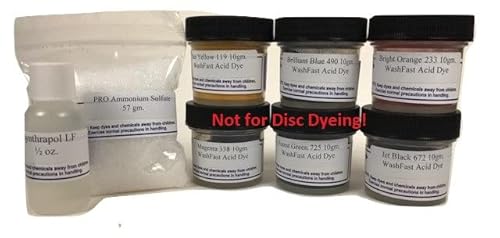
ProChem WashFast dyes are specifically engineered for fiber artists who prioritize durability above all else. If you are dyeing yarn for socks—which undergo significant friction and frequent washing—this is the product you want in your kit.
These dyes are incredibly wash-fast, meaning they resist bleeding or fading even after dozens of trips through the laundry. For a pair of hand-knit socks that you plan to wear inside boots or sneakers, this longevity is non-negotiable.
Because they are so stable, they require a bit more patience during the initial setting phase. You must ensure your water temperature is consistently high enough to fully exhaust the dye bath. It is a small price to pay for a project that won’t lose its luster over time.
Country Classics Dyes: Best for Soft Palettes

Country Classics Dyes excel at producing the muted, dusty, and vintage-inspired tones that are currently very popular in modern knitting patterns. If you love the look of natural, earthy wools, this brand captures those subtle nuances perfectly.
These dyes are excellent for creating "tonal" colorways, where you have slight variations in hue within the same skein. This adds depth to your finished fabric, preventing it from looking flat or overly processed.
They are particularly well-suited for wools with a bit of halo, like mohair or alpaca blends. The softer color palette complements the natural texture of these fibers, creating a sophisticated, high-end look that mimics luxury boutique yarns.
Rit All-Purpose Dye: Best for Quick Projects
Rit is a household name for a reason, and it is a perfectly acceptable choice for a quick, low-stakes project. If you have some leftover wool yarn and want to experiment with a color shift on a whim, this is the most accessible option.
However, there is a major caveat: Rit is designed as an all-purpose dye, meaning it contains pigments for both plant and animal fibers. Because of this, it is not as wash-fast on protein fibers like wool as a dedicated acid dye.
Use this for decorative items, wall hangings, or accessories that won’t see heavy wear. It is a fun, low-pressure way to learn the mechanics of dyeing, but I wouldn’t recommend it for a sweater you plan to wear for years.
Essential Tools for Safe Home Dyeing Setups
To dye wool safely, you must treat your kitchen as a lab. Always dedicate specific pots, spoons, and measuring cups to dyeing; never use them for food preparation again, as dye residues can persist.
- Stainless steel pots: Non-reactive and essential for even heating.
- Precision scale: Essential for repeating your custom color recipes.
- N95 mask: Always wear one when handling powdered dyes to avoid inhaling particles.
- Rubber gloves: Protect your hands from staining and potential irritants.
Good ventilation is equally important. Ensure you are working in an area with an open window or a strong exhaust fan to clear any steam or airborne particles. Safety is the foundation of a long-lasting and enjoyable fiber arts practice.
How to Properly Prep Wool Before Dyeing
Before you even touch the dye, you must "scour" your wool to remove any spinning oils, dirt, or processing chemicals. If the fiber isn’t clean, the dye will not absorb evenly, leading to splotchy, disappointing results.
Soak your yarn in warm water with a gentle wool wash for at least 30 minutes. This ensures the fibers are fully saturated and "opened up," allowing the dye molecules to penetrate deep into the core of the yarn.
Never agitate the wool while it is wet, especially if it is a non-superwash variety. Rough handling will cause the scales on the wool fibers to lock together, resulting in unwanted felting. Treat your yarn with the same care you would use when blocking a delicate lace project.
Troubleshooting Common Fiber Dyeing Mistakes
The most common mistake is "breaking" the dye, where the colors separate unexpectedly. This usually happens when the dye bath is heated too quickly or the pH balance is off, so keep your temperature changes gradual.
Another issue is uneven color, often caused by crowding the pot. If the yarn is packed too tightly, the dye cannot circulate, leading to patches of white or uneven saturation. Always give your fiber plenty of room to move in the bath.
If you find your yarn is bleeding after it has dried, it means the dye bath didn’t fully "exhaust." You can usually fix this by re-soaking the yarn in a hot water and vinegar solution to help the remaining pigment bond. Don’t be discouraged; every "failed" experiment is just a lesson in color chemistry.
Hand-dyeing your own yarn is one of the most rewarding ways to deepen your connection to the craft of knitting. By taking control of the color, you ensure that your next project is truly a reflection of your personal aesthetic. Start with a small batch, keep careful notes of your formulas, and don’t be afraid to embrace the happy accidents that occur along the way. With these dyes and techniques in your toolkit, you are ready to create yarn that is as unique as the stitches you knit.