6 Best Tapestry Needles For Cross Stitch To Own
Struggling with thread fraying? Discover the 6 best tapestry needles for cross stitch to improve your precision and stitch comfort. Shop our top picks today.
Selecting the right tapestry needle is just as vital to a successful cross-stitch project as choosing the correct yarn weight for a gauge swatch. While many crafters treat needles as an afterthought, the wrong tip or eye size can cause unnecessary friction and fiber fatigue. A high-quality needle acts as an extension of the hand, gliding through fabric with precision while protecting the integrity of the threads. Investing in proper tools ensures that thousands of stitches remain consistent, clean, and free from the frustration of snagging.
John James Gold Plated Needles: Best Overall
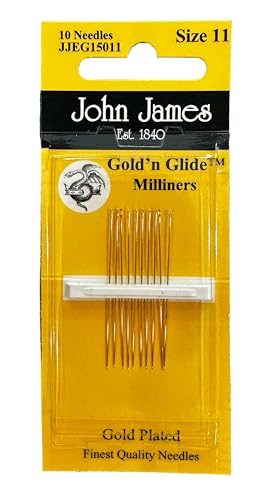

John James needles represent the gold standard in the needlework industry, offering a consistent finish that rarely pits or tarnishes. The gold plating isn’t just for aesthetic appeal; it provides a smoother surface that allows the thread to slide through the eye and fabric with minimal resistance.

This reduction in friction is a game-changer for long-term projects. When working with delicate silk or specialty metallic threads, the smooth surface prevents the fibers from fraying or shredding as they pass through the canvas.
These needles are ideal for crafters who prefer a reliable, mid-weight feel in their hands. While the gold plating will eventually wear off with heavy use, the structural integrity of the steel remains top-tier.
Bohin Size 24 Needles: Best for Aida Cloth

Bohin needles are celebrated for their exceptional quality control and uniform sizing. Size 24 is the quintessential choice for 14-count Aida, fitting perfectly through the weave without leaving unsightly, permanent gaps in the fabric.
The polish on these needles is incredibly smooth, providing a tactile experience that feels effortless. Unlike cheaper manufacturing processes that might leave a slight burr near the eye, Bohin ensures that every edge is rounded and refined.
For those who spend hours stitching on standard Aida cloth, the weight and balance of these needles prevent hand fatigue. The bottom line: if consistency across a large, multi-month project is the goal, these needles deliver a level of predictability that is difficult to surpass.
DMC Tapestry Needle Pack: Best Variety Set

For the crafter who keeps an evolving stash of different fabric counts, a variety pack is a non-negotiable tool. The DMC tapestry pack offers an affordable, accessible solution that covers all the bases from 18-count linen to larger-gauge waste canvas.
Having an array of sizes on hand allows for quick experimentation when the stitch tension feels “off.” If the thread is pulling too tightly or the hole looks too large, swapping to a different needle size in the same pack provides an immediate fix.
While these needles may not have the same long-term durability as premium, gold-plated options, their accessibility makes them perfect for everyday use. They serve as an excellent baseline set for anyone building their essential sewing kit.
Clover Gold Eye Needles: Easiest to Thread

Threading a needle is often the most tedious part of the stitching process, especially after a long session. Clover Gold Eye needles feature a uniquely shaped eye that creates a larger target for the thread, significantly reducing eye strain.
The “Gold Eye” branding is more than a design choice; the contrast of the gold against the steel makes the opening easier to identify in low-light settings. This is particularly helpful for those working with multi-ply floss or difficult-to-see metallic threads.
The bluntness of these tips is perfectly calibrated to slide between the fibers of the fabric without piercing them. If frustration with threading is a barrier to finishing projects, this design offers the most practical path forward.
PONY Black Needles: Best for High Contrast

PONY Black needles are crafted with a special finish that provides a distinct visual contrast against light-colored fabrics. This visual clarity helps the eye quickly locate the needle tip, which can reduce strain during marathon stitching sessions.
The coating also provides a subtle grip that can be beneficial if the hands tend to become damp or slippery while working. This tactile feedback is helpful for maintaining steady tension, especially when alternating between long, sweeping stitches and intricate detailing.
However, the coating can eventually wear away, revealing the base metal underneath. These are a superb choice for specific projects where visual fatigue is a concern, provided the crafter accepts that they are a consumable tool.
Piecemakers Petites: Best for Small Projects
Piecemakers Petites are shorter in length than standard tapestry needles, which provides superior control for tight, detailed work. Shorter needles are less prone to bending and are much easier to maneuver in small, cramped spaces like hoops or travel kits.
The smaller size allows for more precise tension control, as the hand stays closer to the fabric surface. For those doing intricate needlepoint or miniature cross-stitch work, the added agility is immediately noticeable.
Because they are shorter, they may feel unusual to those accustomed to standard-length needles. Once acclimated, however, the improvement in precision is usually enough to make them a permanent part of the kit.
What Needle Size Matches Your Fabric Count?
Matching the needle size to the fabric count is the secret to a professional, clean finish. A needle that is too thick will leave gaping holes in the fabric, while one that is too thin might struggle to pull the thread through comfortably.
- Size 22: Best for larger, coarser fabrics like 11-count or 12-count Aida.
- Size 24: The industry standard for 14-count Aida or 28-count evenweave over two threads.
- Size 26: Ideal for finer fabrics, such as 16-count or 18-count Aida, or 32-count linens.
- Size 28: Reserved for very fine, high-count fabrics like 36-count or higher.
When in doubt, always start with the size recommended for the fabric. If the thread seems to be pulling the fabric fibers, move up to a smaller needle size.
Tapestry vs. Embroidery Needles: Key Differences
Tapestry needles have a characteristically blunt tip, designed specifically to slide between the fibers of the fabric rather than piercing them. Embroidery needles, by contrast, possess a sharp, pointed tip meant for puncturing fabric directly.
Using an embroidery needle for cross-stitch is a common mistake that can permanently damage the project. A sharp needle will split the threads of the Aida or linen, ruining the grid structure and causing the final cross-stitch to sit unevenly.
Always ensure the needle is designated as a “tapestry” or “cross-stitch” needle. If the tip feels sharp to the touch, it is not the correct tool for standard gridded embroidery work.
Why a Blunt Tip Is a Must-Have for Cross Stitch
The primary function of a blunt tip is to act as a guide that follows the path of least resistance through the fabric’s existing weave. This prevents the “pilling” of fabric fibers that occurs when a sharp point snags and pulls the base material.
A blunt tip also speeds up the stitching process by allowing the needle to glide effortlessly into the existing holes. There is no need to hunt for the entry point; the needle naturally slips into the gap, saving time and mental energy.
While it may seem counterintuitive to use a “dull” tool for sewing, in cross-stitch, the bluntness is a protective feature. It ensures that the fabric remains clean and structurally sound, which is essential for proper blocking later on.
Nickel-Plated vs. Gold: Does It Matter?
Nickel-plated needles are the most common and widely available option, offering a durable, slick surface at an entry-level price. However, those with nickel sensitivities should opt for gold-plated or stainless steel alternatives.
Gold plating provides a superior, slicker glide that feels more luxurious during use. The main trade-off is that the gold layer will slowly wear off with repeated use, leaving behind the base metal, which may eventually show signs of oxidation.
Ultimately, the choice comes down to personal comfort and the length of the project. For a quick project, nickel-plated is perfectly adequate; for a year-long heirloom piece, the glide and comfort of a gold-plated needle are well worth the modest price increase.
Quality tools are the foundation of any great fiber project, and the tapestry needle is no exception. By matching the needle size to your fabric and selecting a finish that suits your hand, you turn a simple mechanical task into a smooth, rhythmic experience. Always prioritize the health of your fabric and the comfort of your grip to ensure your cross-stitch journey remains a joy from the first cross to the final knot.