6 Best Lint Brushes For Knitwear Maintenance
Keep your favorite sweaters looking brand new with our top picks. Discover the 6 best lint brushes for knitwear maintenance and shop your perfect tool today.
A well-loved sweater is a testament to the hours invested at the needles, but friction inevitably leads to unsightly pilling. Even the most meticulously blocked garment will show signs of wear after months of frequent use. Maintaining the aesthetic integrity of hand-knits requires the right tools to remove excess fiber without damaging the structure of the stitch. Selecting the correct method depends entirely on the fiber composition, the twist of the yarn, and the desired finish.
Gleener Fuzz Remover: The Most Versatile Kit


The Gleener stands out because it recognizes that one edge does not fit all fiber types. It features three interchangeable heads, each calibrated for a different level of fabric weight and delicacy.
This is the ideal choice for a knitter with a varied wardrobe containing everything from thick, worsted-weight wool coats to delicate alpaca blends. Using the wrong intensity on a garment can lead to over-thinning the fabric, so having a color-coded system reduces the risk of accidental snagging.
The primary benefit is the ability to swap attachments based on the fiber’s loft and tension. Always start with the least aggressive edge to see how the fabric responds before moving to a coarser setting.
The Laundress Sweater Stone: Best Natural Option
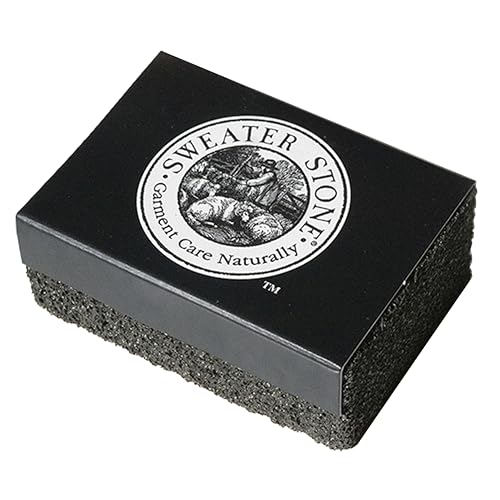
The sweater stone is essentially a block of volcanic pumice, designed to gently break the fibers that form pills on natural wool surfaces. It works best on dense, heavy-gauge knits like fisherman sweaters or sturdy sheep’s wool pullovers.
Because it relies on friction rather than mechanical cutting, it leaves a soft, slightly fuzzy finish rather than a sharp, shorn look. This is highly effective for rustic, woolen-spun yarns that naturally possess more surface hair and are prone to creating a halo.
Exercise caution with delicate fibers, as the abrasive nature of the stone can cause excessive shedding or thinning if used too vigorously. Use light, sweeping strokes in one direction to lift the pills away without compromising the stitch structure.
Conair Fabric Shaver: Top Electric Performer

Electric shavers utilize rotating blades behind a metal guard to shear away pills with minimal physical effort. The Conair model is a industry staple for its consistent motor strength, which is vital when working through a large surface area like a long-cardigan back.
The guard acts as a critical safety barrier between the spinning blades and the precious loops of the knitting. When using this on cables or textured stitch patterns, maintain a flat, even pressure to avoid catching the raised fabric in the guard.
It is best suited for synthetic blends or smooth, tight-twist yarns that do not have a prominent halo. Avoid using it on mohair or angora, as the blades will prematurely destroy the delicate, long-fiber structure that gives those yarns their character.
Comfy Clothiers Cashmere Comb: For Fine Fibers

Luxury fibers like cashmere, vicuña, or high-end merino demand a gentler touch than standard wool. The fine teeth of this metal comb reach deep into the fabric to catch small, tight pills without pulling on the main body of the stitch.
This tool is indispensable for fine-gauge projects, such as delicate lace shawls or lightweight, professional-wear sweaters. Because these items are often knit at a loose gauge to highlight drape, the risk of a blade-based tool snagging a loose yarn is high; this comb provides a safer, tactile alternative.
Always use a light hand, pulling the comb across the fabric in short, controlled strokes. The goal is to lift the pill into the teeth, not to scrape the surface of the yarn itself.
Lilly Brush Sweater De-Piller: Simple & Fast

The Lilly Brush is a manual tool that uses specialized bristles to trap and remove pills through directional friction. It is exceptionally fast for “de-fuzzing” a garment before a public appearance, as it covers a large area in a single pass.
It lacks the precision of a comb but excels at removing surface lint and small, loose pills that accumulate under the arms or along the sides of a garment. It is particularly effective for cotton blends, which often produce flat, matted pills rather than the tight knots associated with wool.
Because it does not cut the fiber, it is perhaps the safest option for beginners. There is virtually no risk of slicing through a stray yarn or causing accidental “thin spots” in the fabric.
Evercare Fabric Shaver: Best Budget Electric

Budget-friendly electric shavers often struggle with consistency, but the Evercare provides enough power to handle basic maintenance on daily-wear knits. It is a practical solution for someone who wants to keep a high-traffic item, like a school or work sweater, looking crisp without a large investment.
The smaller head size makes it easy to maneuver around buttons, cuffs, and necklines. While the battery life may not match professional-grade models, it is more than sufficient for touch-ups between seasons.
The tradeoff here is the build quality; treat the plastic guard with care, as it is the most fragile part of the assembly. As with any electric shaver, empty the lint trap frequently to ensure the blades operate at peak efficiency.
Shaver vs. Stone vs. Comb: Which Should You Use?
Choosing the right tool is a balancing act between the fiber’s durability and the style of the knit. As a general rule, use electric shavers for smooth, machine-washable, or synthetic-heavy yarns where a clean, sharp look is preferred.
Reserve stones and combs for natural, protein-based fibers like wool, alpaca, and cashmere, which benefit from a more organic grooming process. These fibers are designed to be “raised,” and mechanical blades can strip away too much of the yarn’s essential structure.
Consider the “stitch density” as well. If a project is worked on small needles at a tight gauge, the fibers are less likely to pull out, making a shaver safe. If the gauge is loose or the yarn has a soft, unspun quality, opt for a manual comb or brush to preserve the integrity of the stitch.
How to Safely De-Pill Your Precious Knitwear
Preparation is the most overlooked step in garment maintenance. Always lay the garment flat on a hard surface, such as a table or a blocking board, rather than trying to groom it while wearing it.
Taut fabric is the key to preventing the tool from catching on a stitch. If the garment is particularly soft or prone to stretching, place a piece of cardboard or a firm book inside the area being cleaned to provide a stable, flat base.
Work in good lighting and take the process slowly. Never press the tool aggressively into the knit; let the tool do the work of catching the surface fibers. If the tool feels like it is pulling the fabric, stop immediately and move to a gentler method.
Choosing a Brush Based on Your Yarn’s Fiber
Fiber characteristics dictate how much “pill potential” a yarn has. Here is a quick guide to matching your tool to your material:
- Superwash Wool: Often smooth, making it ideal for electric shavers.
- Non-Superwash Wool: Retains more natural friction, better suited for sweater stones.
- Cashmere/Angora: Always use a delicate comb to avoid damaging the fine undercoat fibers.
- Cotton/Linen: These fibers don’t “pill” like wool; they form flat, matted lint. Use a brush or light stone.
- Synthetic Blends: Durable enough for most shavers, but be wary of heat buildup from the motor.
When Pilling Is Normal (And When It Is Not)
Pilling is a natural byproduct of fiber migration, occurring when shorter, loose fibers work their way to the surface due to friction. It is entirely normal for new knitwear to pill slightly as the yarn “settles” during the first few wears.
However, excessive pilling can sometimes indicate a yarn that is poorly spun or lacks enough twist to hold the fibers together. If a garment pills immediately and profusely even after grooming, the fiber content may be too short or the yarn may be too loosely plied for the intended usage.
View maintenance as part of the cycle of your knitting life rather than a flaw in your project. A well-maintained garment that is periodically de-pilled will last significantly longer than one left to mat, as those small knots can eventually pull at the surrounding stitches and lead to thinning or structural damage.
Proper maintenance is the final step in the crafting process, ensuring that the time spent at the needles results in a garment that endures. By matching your grooming tool to the unique properties of your yarn, you protect the fabric and preserve the beauty of your handiwork for years to come.