7 Best Coconut Shell Buttons For Eco Friendly Knitting
Discover our top 7 eco-friendly coconut shell buttons. These durable, sustainable options add a natural, rustic finish to any knitting or crochet project.
Choosing the right button is the final, crucial step that transforms a handmade garment from a craft project into a professional-looking piece of knitwear. Coconut shell buttons offer a unique, organic texture that complements natural fibers like wool, linen, and alpaca perfectly. As an eco-conscious maker, opting for these biodegradable fasteners aligns your finishing touches with the sustainability of your yarn choices. These seven selections represent the best options for adding that earthy, tactile detail to your next sweater or cardigan.
WoodLand Natural Coconut Shell Buttons: Best Overall


When you need a reliable, versatile button that feels right on almost any wool blend, this is your go-to. They possess a classic, rustic aesthetic that elevates the look of a simple garter stitch cardigan without distracting from the pattern work.
The finish on these is consistently smooth, which prevents snagging against delicate hand-dyed yarns. Because they are sourced from natural shells, each button features slight variations in color and grain, giving your finished project a truly bespoke feel.
If you are working on a heavy-gauge project, these buttons provide the structural weight needed to hold a thick fabric closed. They are the standard by which I measure all other wooden-style fasteners.
Benno’s Buttons Handcrafted Coconut Shell Rounds

These buttons are perfect for the knitter who values the human element in their materials. Because they are handcrafted, they often have a slightly more organic shape than mass-produced alternatives.
I find these particularly effective for garments where the buttons are a focal point, such as a deep V-neck vest or a front-buttoning shawl. The slight irregularity in the edges adds a charming, artisanal character that pairs beautifully with rustic, woolen-spun yarns.
Keep in mind that hand-finishing can lead to minor differences in thickness between buttons in the same pack. Always lay them out alongside your buttonholes before sewing to ensure the best aesthetic match.
ButtonMode Organic Coconut Shell Toggle Buttons

Toggles are an essential component for heavy winter coats or oversized, chunky-knit wraps. These coconut shell toggles provide a sophisticated alternative to the typical plastic or horn options that can feel too rigid or artificial.
The elongated shape makes them much easier to manipulate with cold, stiff fingers during the winter months. If you are knitting a heavy piece in a bulky weight, these toggles offer the necessary leverage to keep the garment securely fastened.
Because toggles rely on a loop rather than a traditional buttonhole, they are much more forgiving if your gauge is slightly off. They are a fantastic choice for beginner knitters who haven’t yet mastered the nuances of perfect buttonhole spacing.
Trimline Eco-Friendly Polished Coconut Buttons

Sometimes you want the natural appeal of coconut without the rough, fibrous texture that can catch on delicate lace. These polished buttons offer a sleek, finished surface that glides easily through even the most intricate buttonholes.
They are my top recommendation for garments made from high-twist, smooth merino or silk-blend yarns. The polished finish prevents the friction that can lead to pilling around the buttonhole area after repeated wear.
Because they are so smooth, they feel incredibly comfortable against the skin. If you are knitting a baby garment or a lightweight summer cardigan, these are the safest bet for maintaining a snag-free experience.
JHB International Sustainable Coconut Shell Set
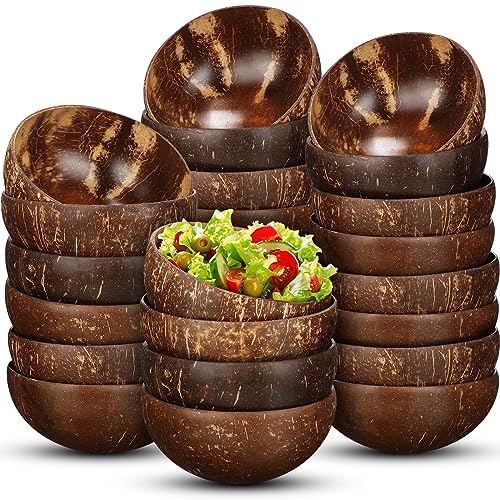
This set is a staple for the knitter who likes to keep a variety of sizes on hand for unexpected project needs. The quality is consistent across the board, making them a safe, reliable choice for stash-building.
Having a set like this means you won’t be caught short when you finish a project late at night and realize your buttonholes are smaller than you anticipated. The range of sizes allows you to experiment with different scales, which can completely change the silhouette of a garment.
While they are mass-produced, they maintain a high standard of durability. They are an excellent entry point for knitters who are new to using natural materials and want a dependable, no-fuss option.
Creative Hobbyist Laser-Etched Coconut Buttons

Laser-etched designs add an unexpected layer of detail to your knitwear. From subtle floral motifs to geometric patterns, these buttons act as a signature for your handmade work.
I recommend using these on solid-color garments where the texture of the knitting is the main event. A busy pattern or a variegated yarn might clash with the etching, but on a clean stockinette background, these buttons really shine.
Just be aware that the etching can sometimes trap lint or dust over time. A quick brush with a soft toothbrush during your annual garment maintenance will keep the designs crisp and clear.
Dress It Up Coconut Shell Assorted Craft Pack
This pack is less about matching sets and more about finding the perfect, quirky finishing touch. It is an ideal resource for the knitter who enjoys "scrappy" projects or whimsical, one-of-a-kind designs.
If you are knitting a child’s sweater or a gift with a playful theme, the variety in these packs is invaluable. You might find a mix of sizes and shapes that allows you to create a deliberate, eclectic look on your knitwear.
Because the contents vary, I suggest organizing them by size as soon as you open the pack. This helps you quickly identify which buttons will actually fit through your buttonholes before you start the sewing process.
Why Choose Coconut Shell for Eco-Friendly Knits
Coconut shell is a byproduct of the food industry, making it an inherently sustainable material. Unlike plastic buttons, which are petroleum-based and persist in landfills for centuries, coconut shell is biodegradable and renewable.
From a design perspective, the natural brown hues of coconut shells provide a grounding, earthy contrast to both vibrant and neutral yarn colors. They possess a warmth that synthetic buttons simply cannot replicate, especially when paired with natural animal fibers.
Practically speaking, they are lightweight yet incredibly durable. They won’t crack or shatter like some brittle vintage buttons, and they hold up well to the gentle wash cycles required for fine woolens.
How to Properly Attach Coconut Buttons to Wool
The most common mistake is sewing buttons too tightly against the fabric. You must leave a small "shank" of thread between the button and the garment to allow the fabric to sit properly when buttoned.
- Use a sturdy thread: A buttonhole twist or a doubled strand of matching wool creates a strong connection.
- Create a shank: Place a toothpick or a tapestry needle between the button and the fabric while sewing to create a gap.
- Reinforce the back: Always use a small, flat button on the inside of the garment to distribute the tension, preventing the coconut button from pulling through the knit fabric.
If you don’t create this space, your button will pull at the wool, distorting your stitch pattern and potentially causing the buttonhole to stretch out of shape. Always take the extra minute to form the shank; it is the mark of a well-finished garment.
Care and Maintenance for Natural Fiber Buttons
Coconut buttons are resilient, but they are not impervious to harsh chemicals. Avoid using heavy-duty detergents or bleach, as these can strip the natural oils and cause the shell to become brittle or lose its luster.
When washing your knitwear, I recommend turning the garment inside out to protect the buttons from direct abrasion against the drum of the machine. Hand washing is always the safest route for any project featuring natural shell fasteners.
If the buttons look a bit dull after a few seasons, a tiny drop of mineral oil rubbed onto the surface can restore their deep color. This simple step keeps them looking fresh and ensures they remain a beautiful part of your hand-knit legacy.
Selecting the right coconut shell button is an exercise in balancing utility with the aesthetic soul of your project. Whether you choose a polished, smooth finish or a rustic, etched design, you are making a choice that honors both the environment and your hard work. Take the time to sew them on with care, ensuring a proper shank for longevity and comfort. May your final stitches be as rewarding as the first, and may your buttons provide the perfect, sustainable flourish your knitwear deserves.