7 Best Wrist Pincushions For Easy Access To Pins
Streamline your sewing with our top 7 wrist pincushions. Discover ergonomic designs that keep pins accessible, organized, and safe for your next project.
Every knitter knows the frustration of fumbling for a stitch marker or a stray tapestry needle while in the middle of a complex lace chart. A wrist pincushion keeps your essential tools exactly where you need them, saving you from reaching across the table and losing your place in a row. By keeping your pins and needles strapped to your wrist, you minimize downtime and maintain your rhythm during long knitting sessions. This simple tool is a game-changer for anyone who values efficiency and focus in their craft.
Clover 7100 Wrist Pincushion: Best Overall Pick


The Clover 7100 is widely considered the gold standard for a reason. It features a soft, plush cushion that holds pins securely without letting them poke through to your skin, which is a common complaint with cheaper alternatives.
The strap is designed to be comfortable for long-term wear, even if you are working on a heavy wool sweater that keeps you at your needles for hours. It stays put on your wrist without rotating, ensuring that your pins are always right where you expect them to be.
If you are a knitter who frequently switches between cable needles and stitch markers, this cushion provides the perfect balance of accessibility and security. It is a reliable workhorse that won’t let you down during a marathon knitting session.
Dritz Magnetic Wrist Pin Cushion: Best for Speed

When you are working on a project that requires constant pinning—like blocking a delicate mohair shawl—the Dritz Magnetic Wrist Pin Cushion is indispensable. The magnetic surface allows you to "sweep" your pins up from the table, saving you the time of picking them up individually.
The strength of the magnet is calibrated perfectly; it is strong enough to keep your pins in place even when you move your arms, but not so strong that you struggle to pull a pin off when you need it. This is a massive time-saver when you are trying to maintain a consistent gauge across a large piece.
However, be mindful of your other tools. Keep this away from digital row counters or pacemakers, as the magnetic field is significant enough to interfere with sensitive electronics.
Singer Classic Tomato Wrist Pin Holder: Best Value

The classic tomato design is iconic for a reason, and the Singer version brings that tradition to your wrist at an incredibly accessible price point. It is simple, functional, and does exactly what it promises without any unnecessary bells or whistles.
For a beginner knitter just starting to build their toolkit, this is often the most practical first purchase. It is sturdy enough to withstand years of use, and the attached emery strawberry is a helpful touch for sharpening dull pin tips.
While it lacks the modern ergonomic flourishes of more expensive options, its reliability is hard to beat. It’s an honest, no-nonsense tool that gets the job done every single time you sit down to knit.
Hemline Wrist Pincushion With Band: Best Comfort
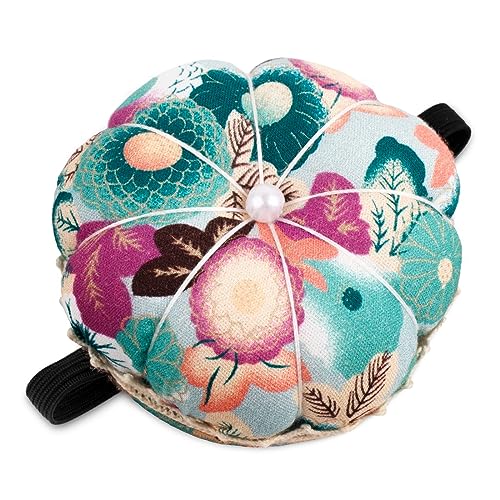
If you have sensitive skin or find that traditional elastic bands leave marks on your wrist, the Hemline option is worth a look. It prioritizes a soft, adjustable band that feels more like a bracelet than a piece of hardware.
The cushion itself is lightweight, which is ideal if you are knitting with heavy needles or working on a project that already puts strain on your wrists. It doesn’t add unnecessary bulk, making it a favorite for knitters who prefer a minimalist approach to their workspace.
Because it is so lightweight, you might forget you are wearing it, which is the hallmark of a truly well-designed tool. It is a great choice for those who want their accessories to be as unobtrusive as possible.
Bohin France Wrist Pincushion: Best Quality Build

Bohin is renowned for their high-quality needles, and their wrist pincushion follows that same tradition of excellence. The fabric quality is superior, resisting fraying even after years of inserting and removing pins.
The construction is robust, and the stitching around the cushion is tight and durable. If you are the type of knitter who invests in high-quality tools that last a lifetime, this is the pincushion that will match the longevity of your favorite needle set.
It feels substantial on the wrist, providing a sense of quality that is often missing from mass-produced plastic alternatives. For a serious maker, this is an investment in professional-grade organization.
Prym Ergonomic Wrist Pincushion: Best for Safety

The Prym Ergonomic option is designed with a focus on safety, featuring a unique shape that makes it difficult to accidentally prick yourself. This is particularly helpful if you are knitting in low light or while multitasking.
The base is contoured to sit flush against the wrist, preventing the cushion from wobbling while you work. This stability is crucial when you are handling sharp pins or delicate stitch markers that you don’t want to lose in the carpet.
If you have young children or pets around your knitting space, the added security of this design provides peace of mind. It is a thoughtful tool that addresses the reality of a busy home environment.
Gingher Wrist Pincushion: Best Durable Option
Gingher is a name synonymous with durability in the sewing and knitting world, and their wrist pincushion is built to endure. The materials are heavy-duty, designed to handle the wear and tear of a professional studio environment.
The cushion is densely packed, providing a firm surface that holds pins firmly in place. Whether you are using thick quilting pins or fine silk pins, this cushion grips them securely without wobbling or losing its shape over time.
While it is a bit more expensive than basic models, the durability makes it a cost-effective choice in the long run. It is a "buy it once" tool that will likely outlast many of your other knitting accessories.
How to Choose a Wrist Pincushion for Your Projects
When choosing a pincushion, consider the weight of the pins you typically use. If you work with heavy-duty pins for blocking, a denser cushion is better; for standard sewing pins, a softer cushion will suffice.
Think about your knitting style as well. If you are a fast, rhythmic knitter, a magnetic cushion might be the best way to keep your tools within reach without breaking your flow.
- Band Adjustability: Ensure the strap fits comfortably without cutting off circulation.
- Cushion Density: A tighter weave prevents pins from slipping out during movement.
- Weight: Avoid heavy cushions if you suffer from wrist fatigue or repetitive strain.
Magnetic vs. Fabric Pincushions: Which is Better?
Magnetic pincushions are superior for speed and organization, especially if you are prone to dropping pins. They allow you to "scoop" up items quickly, which is a massive help when you are working on complex projects.
Fabric pincushions, however, are often gentler on your tools. They won’t magnetize your needles or interfere with electronic row counters, which is a major benefit if your knitting space is filled with digital aids.
Ultimately, your choice depends on your environment. If you work with a lot of metal tools and need speed, go magnetic; if you prefer a traditional, non-electronic setup, stick with a high-quality fabric cushion.
Maintenance Tips for Keeping Your Pins Organized
To keep your pins sharp and your pincushion clean, use an emery strawberry occasionally to remove buildup and oxidation. This ensures your pins slide through your yarn smoothly without snagging delicate fibers like silk or alpaca.
Periodically inspect your cushion for stray threads or loose pins that might have migrated. Keeping the surface clean prevents dirt from transferring to your yarn, which is especially important when working with light-colored, high-end wool.
Store your pincushion in a dedicated spot when not in use to avoid losing it. A well-maintained pincushion is the heart of an organized knitting kit, keeping your tools ready for the next row.
Investing in a quality wrist pincushion is a small step that pays off in significant comfort and efficiency. Whether you prioritize the speed of a magnet or the classic feel of a fabric cushion, finding the right fit will streamline your creative process. Choose the option that best complements your knitting habits and enjoy the ease of having your tools right at your fingertips. Happy knitting, and may your rows always be even.