7 Best Soak Solutions For Finished Garments To Try
Refresh your wardrobe with these 7 top soak solutions. Learn how to clean and preserve finished garments effectively with our expert guide to fabric care.
After spending dozens of hours perfecting your tension and tracking complex lace charts, the final soak is the most critical step to transform a piece of fabric into a finished garment. Choosing the right wash is not just about cleaning; it is about conditioning the fibers to bloom and settle into their final, professional shape. This guide explores the best soak solutions to ensure your hand-knits look as exquisite as the day they left the needles. Whether you are working with rustic highland wool or delicate silk blends, the right product will protect your hard work for years to come.
Soak Wash: The Gold Standard for Delicate Fibers
Soak Wash is the industry benchmark for a reason, offering a gentle, no-rinse formula that respects the integrity of your yarn. It is specifically designed to lift dirt and oils without stripping the natural lanolin from wool or the luster from silk.
When you have spent weeks on a complex cable-knit sweater, you need a product that balances performance with safety. This wash is pH-balanced, meaning it won’t cause the fibers to swell or lose their structural memory during the drying process.
The real beauty lies in its versatility across different fiber types. Whether you are washing a superwash merino hat or a fragile alpaca shawl, it provides a consistent, reliable clean.
Eucalan No-Rinse: Best for Wool and Cashmere
Eucalan is a staple in the knitting community because it contains lanolin, which acts as a natural conditioner for animal fibers. By replenishing the oil stripped during the manufacturing process, it keeps your wool and cashmere soft and supple.
If you have ever felt a garment become slightly "scratchy" after a few washes, it is likely because the fibers have dried out. Eucalan helps maintain that "just-off-the-needles" softness that makes high-end wool so desirable.
It is particularly effective for garments that see a lot of friction, like socks or sweater cuffs. The conditioning properties help the fibers resist pilling and maintain their drape over time.
Kookaburra Wool Wash: Best for Sensitive Skin


If you or the recipient of your knitting suffers from skin sensitivities, Kookaburra is an excellent, tea tree oil-based alternative. It is remarkably effective at neutralizing odors and cleaning fibers without the use of harsh synthetic fragrances or dyes.
Many knitters find that standard detergents leave a residue that can irritate the skin after a long day of wearing a sweater. Kookaburra rinses away cleanly, leaving nothing behind but the natural scent of the tea tree.
It is an honest, no-nonsense product that prioritizes health and hygiene. For baby blankets or close-fitting garments like camisoles, this is often the safest choice in the studio.
Unicorn Fibre Wash: Best for Deep Cleaning
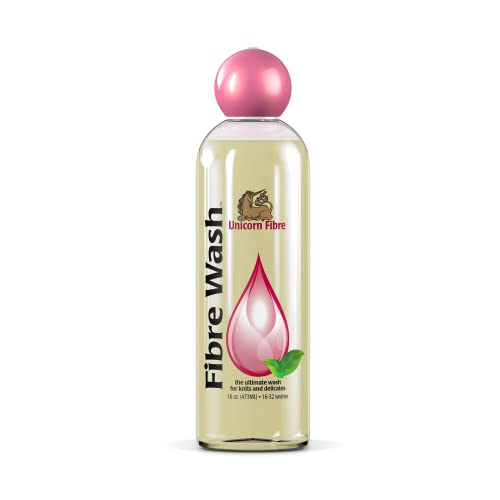
Unicorn Fibre Wash is a powerhouse when you are dealing with vintage yarn or a garment that has been sitting in storage for years. It excels at breaking down stubborn grime and environmental buildup that milder washes might miss.
This is not necessarily for every weekly wash, but it is indispensable for "deep cleaning" sessions. If you are reviving a thrifted wool sweater or cleaning a project that survived a dusty move, this is the product to reach for.
It works by effectively lifting debris from the core of the fiber ply. Just be sure to use it sparingly, as it is highly concentrated and designed for heavy-duty restoration.
Tenemco Wool Wash: Best for Vintage Restoration

Tenemco is a specialized tool that many advanced knitters keep in their kit for high-stakes projects. It is formulated to be exceptionally gentle on aged fibers, making it the go-to for heirloom pieces or antique textiles.
When working with vintage wool, the fibers are often brittle and prone to breaking. Tenemco helps stabilize these fibers, preventing further degradation during the cleaning process.
It is a niche product, but one that earns its place on the shelf. If you have an heirloom lace tablecloth or a hand-knit sweater passed down through generations, this is the safest way to refresh it.
The Laundress Wool & Cashmere: A Luxury Choice
The Laundress offers a premium experience for those who view their knitting as a true luxury craft. It features a sophisticated, cedar-scented formula that is as much about the sensory experience as it is about cleaning.
The cedar scent acts as a natural deterrent against moths, which is a significant practical benefit. It is an excellent choice for storing your best cashmere sweaters during the off-season.
While it is more expensive than other options, the concentration level is high. A little goes a long way, and the refined scent profile makes the blocking process feel like a high-end spa treatment for your knits.
Eucalan Lavender: Best for Natural Moth Repellent
Eucalan Lavender provides the same conditioning benefits as the original formula but adds the natural moth-repelling properties of lavender essential oil. It is a dual-purpose product that cleans and protects your woolens simultaneously.

Moths are the sworn enemy of every knitter, and preventative care is far more effective than trying to repair damage later. Using this wash before packing your winter gear away is a simple, effective insurance policy.
The scent is fresh and authentic, not the cloying "perfume" smell found in many commercial detergents. It leaves your garments smelling like a fresh garden rather than a chemical lab.
Understanding Why You Should Never Rinse Your Soak
The "no-rinse" instruction on these bottles is not a shortcut; it is a fundamental part of the fiber care process. Rinsing can actually re-introduce minerals from your tap water into the fibers, which can make them feel stiff or dull over time.
Furthermore, the active ingredients in these washes—like lanolin—are meant to stay on the fiber to provide protection and conditioning. If you rinse them out, you are essentially washing away the benefits you just paid for.
Trust the chemistry of the product. As long as you use the correct amount of wash for the volume of water, the residue left behind is beneficial, not harmful.
How to Properly Block Your Garments After Soaking
Blocking is the final stage of construction where you "set" the dimensions of your garment. After soaking, gently squeeze the water out—never wring or twist, as this can snap delicate fibers or distort your gauge.
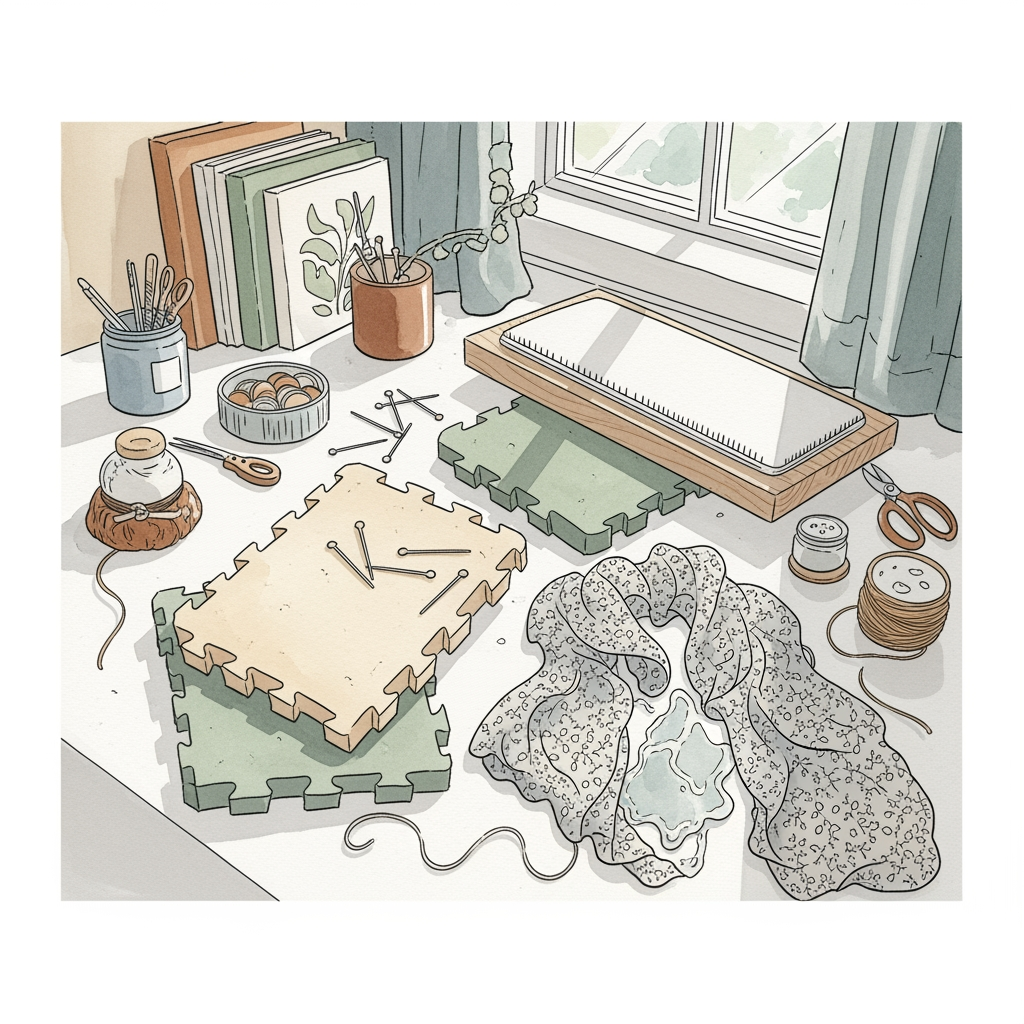
Lay your garment flat on a moisture-wicking surface, such as a blocking mat or a clean, dry towel. Use rust-proof pins to gently ease the garment into the desired measurements, focusing on symmetry and edge alignment.
Remember that blocking is not about stretching your garment to its breaking point. It is about encouraging the fabric to relax and settle into its intended shape, which is especially important for lace and colorwork.
Essential Tips for Safe Fiber Care and Storage
- Always check the label: Even if you trust your wash, check the yarn label for specific instructions regarding water temperature or machine washability.
- Use cool water: Unless otherwise specified, cool or lukewarm water is always the safest bet to prevent felting.
- Avoid direct sunlight: Never dry your knits in direct, harsh sunlight, as UV rays can fade natural dyes and weaken fibers.
- Store clean: Moths are attracted to human sweat and skin oils, so always wash your garments before storing them for the season.
- Use breathable bags: If you must store your knits, use cotton or muslin garment bags rather than plastic, which can trap moisture and encourage mildew.
Mastering the soak is the final act of love in the knitting process, ensuring that your finished garments remain as beautiful as the day you bound off. By selecting a specialized wash that suits your fiber needs, you are investing in the longevity and quality of your handmade wardrobe. Remember that fiber care is an extension of your craft, deserving the same attention to detail as your cast-on or bind-off. With these solutions in your toolkit, you can confidently preserve your hard work and enjoy your knits for decades to come.