6 Best Winding Spindles For Bulky Weight Wool
Spinning bulky wool requires the right tool. Discover our top six winding spindles designed for heavy yarns, focusing on stability, balance, and efficiency.
Spinning bulky yarn is a transformative experience that turns raw, lofty fiber into cozy, instant-gratification projects. While many beginners start with thin, delicate spindles, mastering thick yarns requires tools with specific weight and momentum profiles. Choosing the right spindle ensures your hands don’t tire and your yarn remains consistent from start to finish. Here are the top six spindles designed to handle the unique physics of bulky wool.
Schacht Hi-Lo Spindle: Best for Bulky Wool


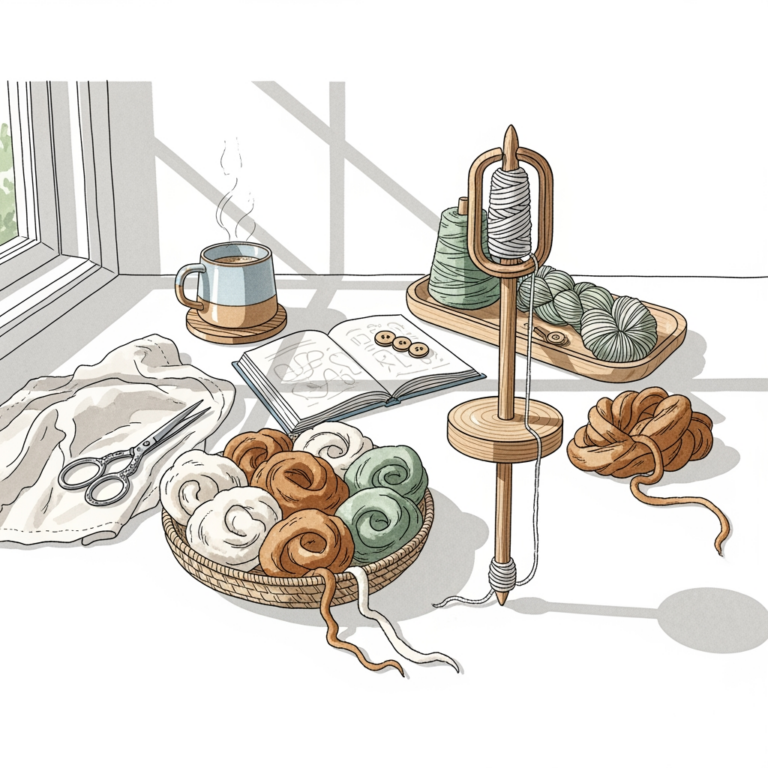
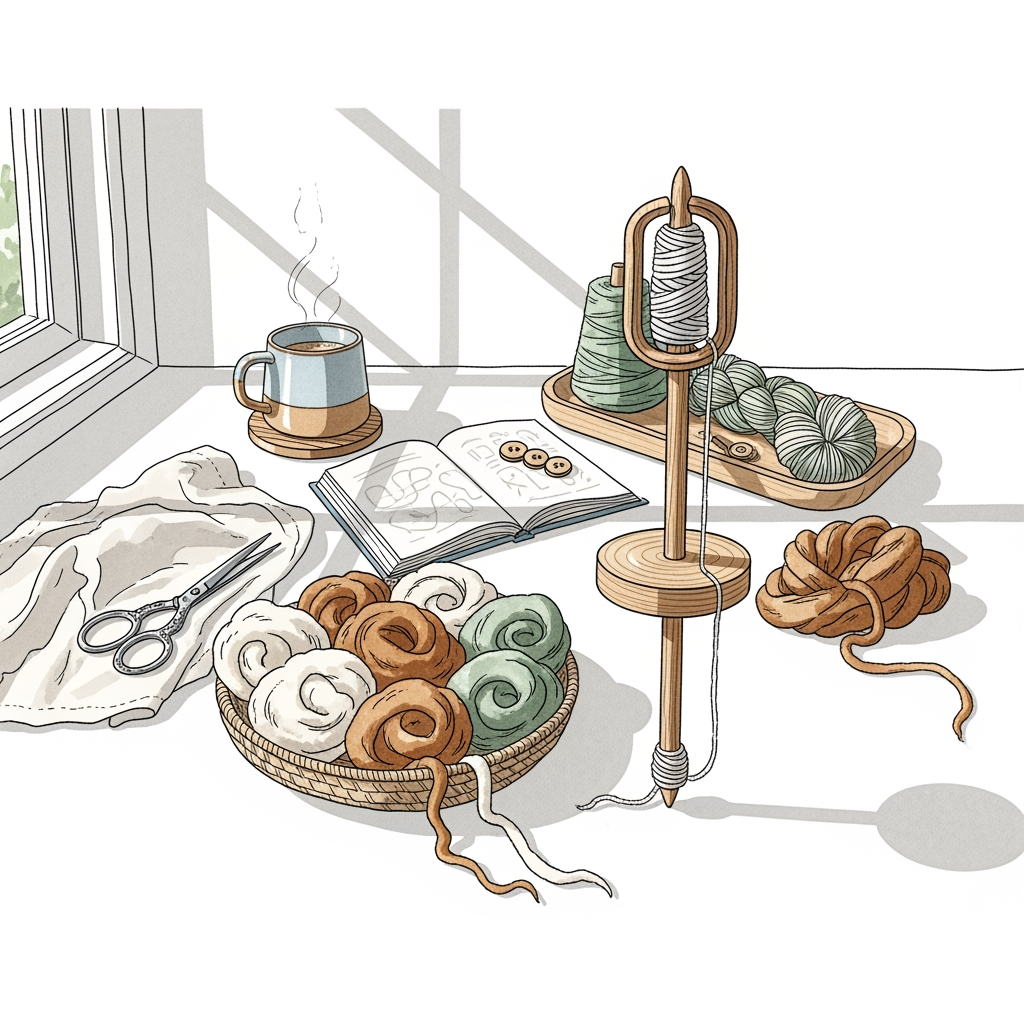
The Schacht Hi-Lo is a workhorse in the spinning world, designed with a low-weighted brass whorl that provides incredible momentum. For bulky wool, that extra rotational energy is essential to keep the spindle spinning long enough for you to draft a thick length of fiber.
Because the weight is concentrated at the bottom, the spindle remains remarkably stable even when you are drafting quickly. It handles the "tug" of heavy, unspun wool much better than lighter, top-whorl spindles that might wobble under the strain.
If you are working with thick, roving-style wool, the Hi-Lo’s design allows you to spin with confidence. It is a forgiving tool that compensates for inconsistent drafting, making it a staple for those building their stash of chunky, hand-spun yarn.
Jenkins Turkish Spindle: Best for Large Cops

Turkish spindles are unique because they allow you to slide the cross-arms off, leaving you with a center-pull ball—or "cop"—of yarn. The Jenkins Turkish spindle is renowned for its precision, which is vital when you are packing a massive amount of bulky yarn onto a small frame.
When spinning bulky weight, your cop grows in size very rapidly. A poorly balanced spindle will vibrate violently once the cop gets wide, but the Jenkins is engineered with such high tolerances that it remains steady even under a heavy load.
You will find that the arms of a Jenkins spindle are perfectly angled to hold thick yarn securely without it slipping off during the spin. It is an investment piece, but for the spinner who loves the convenience of a ready-to-knit center-pull ball, it is unmatched.
Bosworth Mid-Weight Spindle: Best for Balance
Balance is the most critical factor when spinning bulky wool, as any off-center weight will cause your yarn to twist unevenly. The Bosworth mid-weight spindle is famous for its "spin-forever" quality, which comes from expert woodturning and meticulous weight distribution.
When you are pulling thick, lofty wool, you need a spindle that doesn’t chatter or jerk in your hand. The Bosworth provides a smooth, rhythmic rotation that helps you maintain a consistent twist, even when your hands are full of thick, textured fiber.
While some might think a heavier spindle is always better for bulky wool, the Bosworth proves that it is about the quality of the balance rather than just the mass. It is a reliable choice for spinners who prioritize a smooth, meditative spinning process over sheer weight.
Snyder Turkish Spindle: Best for Easy Wind-Off

The Snyder Turkish spindle is a favorite among those who spin large quantities of bulky yarn because of its generous arm span. When you are spinning thick, lofty wool, you need space to build your cop without the yarn constantly hitting the arms.
One of the most frustrating parts of spinning bulky yarn is the wind-off process, where you transfer your yarn from the spindle to a ball winder. The Snyder’s design makes this transition seamless, preventing the tangles that often plague thick, high-twist yarns.
If you struggle with yarn catching or snagging during the winding phase, the Snyder is your best bet. Its streamlined arms provide just enough grip to hold the yarn while spinning, but release it easily when it’s time to move to your knitting needles.
Golding Student Spindle: Best for Consistency
Golding spindles are often considered the "gold standard" for serious spinners, and the Student model offers that same high-end craftsmanship at a more accessible level. It is designed to be incredibly stable, which is a lifesaver when you are trying to draft thick, uneven wool.
Consistency is hard to achieve with bulky yarn because the fibers are so prone to clumping or thinning. The Golding’s weight profile helps pull the twist into the fiber evenly, preventing the "lumpy" look that can sometimes happen when beginners try to spin thick.
While it is a premium tool, the durability of a Golding spindle means it will likely be the last spindle you ever need to buy. It is an excellent choice for the spinner who wants to transition from hobbyist to someone who produces professional-quality, consistent bulky yarn.
Kromski Sonata Spindle: Best for Heavy Fibers
The Kromski Sonata spindle is designed with a heavier whorl that is specifically intended for heavy, bulky, or even textured art yarns. It has the mass required to pull the twist through thick, stubborn wool that would stop a lighter spindle dead in its tracks.
Because it is designed for heavier work, it feels substantial in the hand, which helps anchor your spinning motion. If you are working with wool that has a lot of "drag" or friction, the Sonata’s weight serves as a flywheel to keep the momentum going.
It is particularly effective when you are plying your bulky yarns together. Plying requires more tension and control, and the Sonata provides the structural support needed to keep those thick strands from twisting back on themselves.
Understanding Whorl Weight for Bulky Yarns

The whorl is the weighted part of the spindle, and its weight is the primary factor in how much twist you can insert into your yarn. For bulky wool, you generally want a heavier whorl—typically between 1.5 and 3 ounces—to handle the volume of fiber.
- Light Whorls (Under 1 oz): Best for fine, lace-weight spinning where you need speed.
- Medium Whorls (1–2 oz): The "all-rounder" that can handle light to medium-bulky yarns.
- Heavy Whorls (2+ oz): Essential for thick, bulky, or "art" yarns that require significant torque.
If your spindle is too light, you will find yourself constantly re-spinning the same section of yarn to get enough twist. If it is too heavy, you risk snapping the yarn because the weight is pulling faster than you can draft.
How to Manage Large Cops on Smaller Spindles
Even the best spindles have a limit on how much yarn they can hold before the balance shifts. When spinning bulky wool, your cop will grow much faster than it would with thin yarn, so you must manage your space effectively.
Start by winding your yarn in a wide, flat pattern across the spindle shaft to distribute the weight evenly. If you pile it all in the center, the spindle will become top-heavy and start to wobble, which can lead to uneven twist and potential breakage.
When the cop gets too wide, it is time to move the yarn to a nostepinne or a ball winder. Don’t wait until the spindle is so full that it’s difficult to spin; stopping to wind off is a normal part of the process that keeps your yarn quality high.

Fiber Preparation Tips for Chunky Spinning
The secret to great bulky yarn often starts before you even touch the spindle. If your fiber is matted or poorly prepared, no spindle in the world will make it spin smoothly.
For bulky spinning, try using a "roving" or "top" that has been gently teased open. If you are using raw fleece, ensure it is well-carded into thick, fluffy batts, which allows for easier drafting and a more consistent final yarn.
Avoid over-stretching your fiber before it hits the spindle. If you pull the fibers too thin during the prep stage, you will have to work twice as hard to keep the yarn bulky, which defeats the purpose of choosing a thick yarn in the first place.
Troubleshooting Common Spindle Spinning Issues
If your yarn is constantly breaking, your spindle might be too heavy, or you might be drafting too slowly. Try spinning faster or using a slightly lighter touch, and always check that you aren’t "pre-drafting" the fiber until it’s too thin.
If your yarn is lumpy, you are likely drafting in "bursts" rather than a smooth, continuous motion. Focus on keeping your hands moving at a steady pace, and let the spindle’s weight do the work of pulling the twist into the fiber.
Finally, if the spindle keeps stopping, you need more momentum. Give it a firmer flick at the start of each draft, and ensure that your fiber isn’t catching on any rough spots on the spindle shaft or your clothing.
Spinning bulky wool is a rewarding way to build a stash of yarn that works up quickly on large needles. By selecting a spindle that matches the weight and volume of your fiber, you remove the physical strain and frustration of the process. Remember that every spinner has a unique rhythm, so prioritize a tool that feels balanced and comfortable in your hands. With the right equipment and a little practice, you will be creating beautiful, chunky yarns in no time.