
7 Best Acrylic Paint Sets For Felted Facial Features
Discover the 7 best acrylic paint sets for detailing felted features. Achieve precise, vibrant expressions with these top-rated, fabric-friendly selections.
Adding painted details to needle-felted sculptures is the final flourish that brings a character to life. While we spend hours sculpting wool, a tiny dab of paint can define an eye or add a rosy glow to a cheek. Selecting the right medium is crucial because wool is a thirsty, porous surface that behaves very differently from canvas. This guide helps you choose the right pigment to ensure your fiber art looks professional and stays vibrant for years.
Liquitex Basics Acrylics: Best Overall Value


When you are working on a batch of small felted ornaments, you don’t want to break the bank on supplies. Liquitex Basics offer a consistent, medium-viscosity paint that covers wool fibers beautifully without soaking in too deeply.
These paints are excellent for beginners because they are forgiving and easy to blend. Since they aren’t overly thin, they sit nicely on the surface of the felt rather than bleeding into the surrounding fibers like a watercolor would.
If you are just starting your journey into adding facial features to your fiber art, this is the most practical entry point. You get a high-quality pigment load that won’t require five coats to show up against dark wool.
Golden Heavy Body Acrylics: Professional Choice

If you are sculpting intricate, realistic figures, the texture of your paint matters as much as the color. Golden Heavy Body acrylics have a buttery, thick consistency that allows for precise, raised details.
Because these paints are highly pigmented, a tiny amount goes an incredibly long way. You can use them to create tiny highlights in the eyes or subtle depth in the nostrils of a felted animal.
The trade-off is the price point and the need for a steady hand. These are best reserved for your finished, high-end pieces where you want archival quality and professional-grade color intensity.
FolkArt Multi-Surface Acrylics: Best for Felt
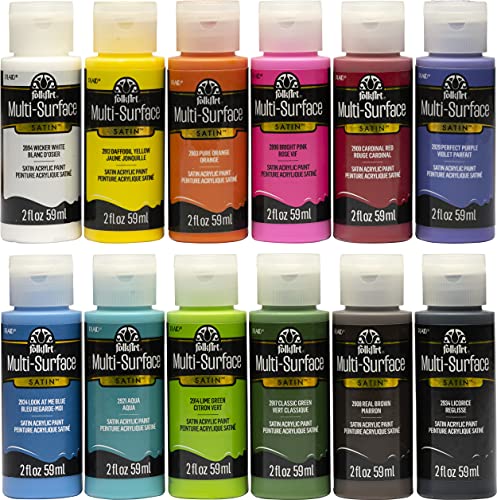
FolkArt is a staple in many craft rooms, and for good reason. These paints are specifically formulated to adhere to a wide variety of surfaces, including soft, fuzzy materials like needle-felted wool.
The formula is slightly more flexible than standard craft paint. This is vital because felted wool has a natural "give" and bounce; a brittle paint would crack the moment the sculpture is handled or squished.
If you struggle with paint peeling or flaking off your wool, this is your best solution. It bonds to the fibers without creating a hard, plastic-like shell that feels unnatural to the touch.
DecoArt Americana Acrylics: Reliable Pigments

DecoArt Americana is the "workhorse" of the painting world. It is incredibly reliable, affordable, and comes in an almost endless spectrum of shades that are perfect for mixing skin tones or animal fur colors.
The consistency is smooth and creamy, making it very easy to apply with a fine-tipped brush. It doesn’t dry quite as fast as some professional heavy-body paints, which gives you a precious few seconds to blend colors directly on the wool.
For a knitter or felter who likes to keep a large stash of colors on hand, this is the most sensible choice. You won’t feel guilty about using a small amount for a quick project, and the color consistency between batches is excellent.
Winsor & Newton Galeria: Top Artist Quality
Winsor & Newton is a name synonymous with quality in the art world. Their Galeria line offers a fantastic balance between professional pigment density and a price point that doesn’t feel prohibitive for hobbyists.
These paints have a brilliant, vibrant finish that really pops against neutral-colored wool. When you are working on a project that requires a high level of detail, the flow of this paint is superior to cheaper alternatives.
The main consideration here is the finish; it is slightly more satin than matte. If you prefer a completely flat, non-reflective look on your felted features, you may need to apply a matte varnish over the top.
Arteza Acrylic Paint Set: Best Color Range

If your project involves complex color work—like creating a specific breed of dog or a fantasy creature with unique markings—you need a wide palette. Arteza sets are famous for providing a massive range of hues in one convenient box.
Having a large set means you spend less time mixing and more time painting. Since you aren’t constantly trying to recreate a specific shade of "soft pink" or "deep espresso," your workflow stays smooth and uninterrupted.
However, keep in mind that with larger sets, some colors may be more transparent than others. Always test your color on a spare scrap of felt before applying it to your main piece to ensure the coverage meets your expectations.
Apple Barrel Acrylics: Best for Small Details

Apple Barrel is the most budget-friendly option, and it is surprisingly effective for the tiniest of details. Because the paint is quite thin, it is perfect for delicate work like painting the iris of an eye or fine whiskers.
You do need to be careful with saturation; because of its thinner consistency, it can soak into the wool fibers more aggressively than heavier paints. Use a very dry brush technique to prevent the color from "bleeding" into unwanted areas.
For a knitter who is adding small, decorative touches to a larger felted project, this is a fantastic, low-stakes tool. It allows for fine detail work without the bulk that heavy-body paints can sometimes create.
Tips for Applying Paint to Needle Felted Wool
The biggest secret to painting on felt is to keep your brush as dry as possible. You want to "stipple" or "dab" the paint onto the surface rather than brushing it back and forth, which can pull at the wool fibers and create fuzz.
If the wool is too fuzzy, use a pair of sharp embroidery scissors to trim the area before you begin. A smooth surface is much easier to paint than a shaggy one, and it prevents the paint from clumping on loose fibers.
Always start with a very light layer. You can add more paint, but it is nearly impossible to remove excess pigment once it has soaked into the wool. Think of it like building up color in a watercolor painting—slow and steady wins the race.
Sealing Your Work for Long-Term Durability
Once your paint is completely dry, sealing it is the best way to ensure it stays put. A clear, matte acrylic spray sealer is the easiest way to protect your work without changing the texture of the wool too drastically.
If you prefer to keep the finish natural, you can skip the sealer, but be aware that the paint might eventually rub off if the piece is handled frequently. A light misting of a fixative spray provides a invisible barrier against dust and oils from your hands.
Make sure to test your sealer on a small, hidden area first. Some sealers can darken the wool slightly or create a subtle sheen that you might not want on a matte, fuzzy surface.
Frequently Asked Questions About Felt Painting
Can I wash my felted items after painting them? Generally, no. Painted felted features are meant to be decorative; washing will likely cause the paint to crack or the felt to shrink and distort.
Do I need to prime the wool? For most acrylics, no. However, if you are using a very light color over a very dark wool, a tiny dab of white gesso can act as a primer to help the top color stand out.
How do I fix a mistake? If you catch it immediately, try to dab it with a damp cloth. If it has dried, your best bet is to carefully trim the affected fibers with small scissors or needle-felt a thin layer of new, clean wool over the mistake and start again.
Painting your needle-felted creations is a rewarding way to elevate your craft from simple shapes to expressive characters. By choosing the right paint consistency and applying it with a light, controlled touch, you can achieve professional results that truly stand out. Remember that every artist develops their own preferences, so don’t be afraid to experiment with these brands until you find the one that fits your unique style. Happy felting, and enjoy bringing those little faces to life!