6 Best Double Pointed Needles For Beginners Reviewed
Mastering circular knitting starts with the right tools. We review 6 top double pointed needles for beginners, focusing on material, grip, and ease of use.
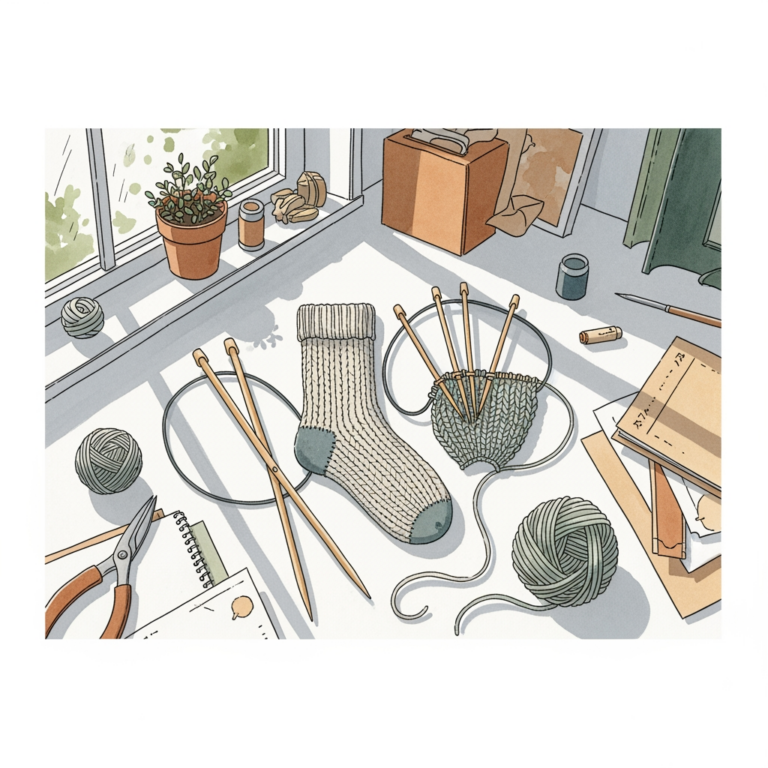
Stepping into the world of double-pointed needles (DPNs) can feel like juggling, but it is a fundamental skill for creating seamless socks, mittens, and hats. Finding the right tools for your hands is the difference between a relaxing evening of knitting and a frustrating session of dropped stitches. As you begin your journey, the material and grip of your needles will significantly impact your tension and overall comfort. This guide breaks down the best options to help you find your perfect pair and build confidence in your craft.
KnitPicks Caspian Wood DPNs: The Best Overall Pick
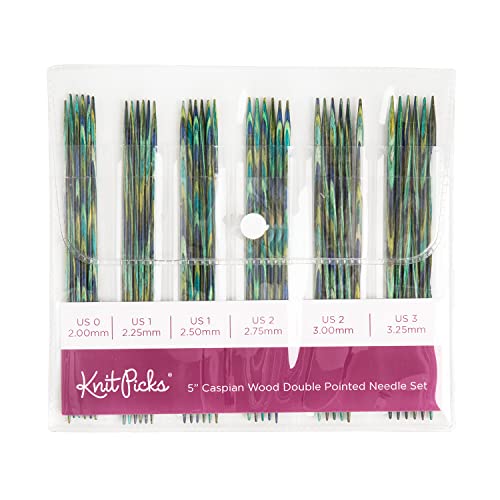

These needles are a favorite in the knitting community for their stunning aesthetic and balanced performance. The laminated birch wood provides a smooth surface that isn’t overly slick, making them an excellent middle ground for those transitioning between materials.
The Caspian finish is polished to a high sheen, allowing yarn to glide easily without the "flyaway" sensation often associated with polished metal. Because they are made of wood, they offer a slight flex that is gentler on the hands during long knitting sessions.
If you find yourself constantly battling stitches sliding off your needles, this wood provides just enough friction to keep them in place. They are a reliable, versatile choice for almost any project weight.
ChiaoGoo Patina Bamboo DPNs: Best for Beginners

When you are first learning to manage four or five needles at once, you need a tool that doesn’t work against you. Bamboo is naturally grippy, which acts as a safety net for new knitters who are still mastering their tension.
The Patina finish on these needles is slightly smoother than raw bamboo, meaning you get the control you need without the yarn dragging. They are incredibly lightweight, reducing fatigue in your wrists as you navigate the circular movement of DPN work.
Many beginners find that bamboo needles help them maintain a more consistent gauge. Because the stitches stay put, you can focus on your technique rather than chasing runaway loops.
HiyaHiya Sharp Steel DPNs: Best for Precise Tips

If you enjoy working with complex lace or fine fingering-weight wool, a blunt needle tip can become a major hindrance. The HiyaHiya Sharp Steel DPNs feature a tapered point that makes picking up stitches in intricate patterns effortless.
These are made from high-quality stainless steel, which is inherently slicker than wood. If you are a slow knitter or work with sticky fibers like mohair, the speed provided by these needles is a massive advantage.
However, be warned: these tips are truly sharp. They can be piercing to the fingertips if you have a habit of pushing the needle tip with your index finger, so consider using a finger guard if you are sensitive.
Clover Takumi Bamboo DPNs: Best for Easy Grip

Clover Takumi needles are widely available and for good reason—they are the gold standard for consistent, reliable bamboo. The surface is uniform and warm to the touch, which is a welcome change from the cold feel of metal.
The tips are rounded rather than sharp, making them very forgiving for beginners who might accidentally poke their skin while maneuvering the needles. They are excellent for projects using wool or acrylic blends that have a bit of "grab" to them.
Because they are so widely accessible, they are the easiest needles to replace if you happen to misplace one. They offer a comfortable, low-stress knitting experience that allows you to focus on the rhythm of your stitches.
Knitter’s Pride Karbonz DPNs: Best for Durability
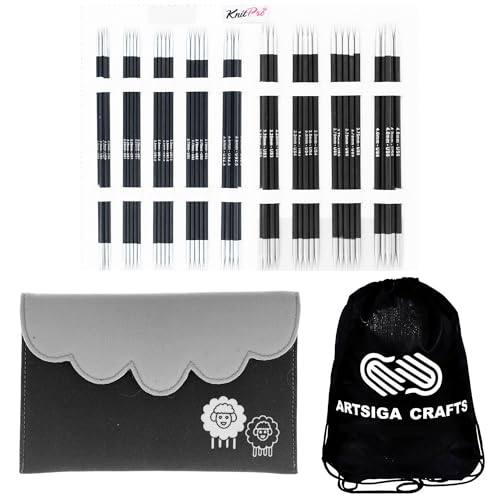
Knitter’s Pride Karbonz are a marvel of modern knitting technology, constructed from carbon fiber with plated brass tips. This combination creates a needle that is virtually unbreakable while remaining incredibly lightweight.
Carbon fiber has a unique texture that feels warm and slightly "grippy," preventing stitches from sliding off unexpectedly. Meanwhile, the polished brass tips ensure that you can still enter your stitches with precision.
These are an investment, but they are perfect for knitters who tend to bend their needles or who work with very tight tension. They bridge the gap between the warmth of wood and the strength of metal perfectly.
Lykke Driftwood DPNs: Best for Smooth Knitting

Lykke needles are crafted from strong birch wood and finished with a beautiful, smooth gray wash. They feel luxurious in the hands and are exceptionally smooth, offering a premium knitting experience that doesn’t sacrifice control.
The wood is dense and durable, meaning it resists warping even in smaller, thinner sizes. They are quiet to use, making them a great choice for knitting in public spaces where the "click-clack" of metal needles might be distracting.
If you appreciate aesthetics as much as utility, the Driftwood line is hard to beat. They provide a sophisticated, snag-free experience that works well with a wide variety of yarn types and textures.
How to Choose the Right DPN Size for Your Project
The size of your needle should be dictated by the weight of your yarn and the desired fabric density. Always check the ball band of your yarn for a recommended needle range, but remember that your personal tension is the final authority.
- Lace weight: Use 1.5mm to 2.25mm.
- Fingering weight (socks): Use 2.25mm to 2.75mm.
- Sport to DK weight: Use 3.0mm to 4.0mm.
- Worsted weight: Use 4.0mm to 5.5mm.
If you are a "tight" knitter, go up a size to reach the recommended gauge. Conversely, if you are a "loose" knitter, go down a size to ensure your fabric isn’t too holey or transparent.
Wood vs. Metal DPNs: Which Material Suits You?
Choosing between wood and metal is often a matter of personal preference and the specific yarn you are using. Wood is generally warmer, quieter, and offers more friction, which is ideal for slippery fibers like silk or bamboo yarn.
Metal needles, on the other hand, are faster and more durable, making them the preferred choice for long-term projects or sticky wools that need a little help sliding along the shaft. Metal is also much less likely to break in the smaller, thinner sizes.
Ultimately, try both. Many knitters keep a set of each in their kit, switching based on the specific project requirements or even the weather, as humidity can affect how yarn interacts with different materials.
Mastering the Technique of Knitting with Four DPNs
The secret to knitting with four or five needles is to treat them as a single circular loop. You are essentially distributing your stitches across three or four needles while using the remaining one as your working needle.
The most common point of failure for beginners is the first stitch of each needle. To keep your work secure, make sure you aren’t pulling the first stitch too tightly, which can lead to uneven tension.
Practice by knitting a small tube, like a fingerless mitt or a coaster. Don’t worry about the "seams" between needles; once you get into the rhythm of the round, those transitions will naturally smooth out with practice and blocking.
Essential Tips for Preventing Laddering on DPNs
Laddering—the appearance of a vertical gap between stitches at the point where you switch needles—is the most common complaint among DPN users. It happens when the yarn is pulled too taut at the transition, leaving a loose loop.
To prevent this, try "knitting into the next needle." Specifically, knit the first two stitches of your new needle using the yarn from the previous needle, then move them back. This shifts the tension point and effectively closes the gap.
Alternatively, you can rearrange your stitches every few rounds so that the "seam" doesn’t always fall in the same spot. By rotating the stitches, you ensure that any minor tension irregularities are distributed evenly across the fabric.
Mastering double-pointed needles is a rite of passage that opens up a world of seamless, three-dimensional knitting projects. Don’t be discouraged if your first few rows feel awkward; the dexterity required to manage multiple needles develops quickly with patience and repetition. Choose the material that feels best in your hands, take your time with the transitions, and enjoy the satisfaction of creating beautiful, professional-looking garments. Happy knitting, and may your stitches always be even!