6 Best Garment Bags For Protecting Metallic Knits
Metallic knits snag easily. We reviewed six top garment bags that offer the snag-free protection and breathability needed to preserve your delicate fabrics.
Metallic knits add a stunning, luminous quality to any wardrobe, but they are notoriously temperamental when it comes to long-term storage. The delicate fusion of metallic filaments with wool or synthetic fibers creates a surface prone to snagging, oxidation, and structural fatigue. Choosing the right garment bag is the difference between a heirloom-quality piece and a tarnished, pulled mess. Here is how to protect your shimmering handiwork from the hazards of the closet.
Whitmor Breathable Garment Bag: Best Overall Pick
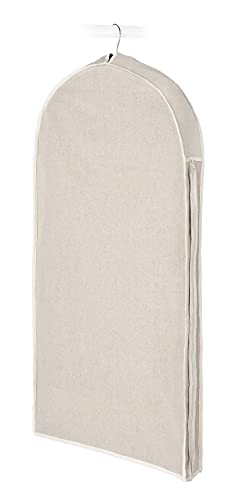

The Whitmor is a staple in many fiber enthusiasts’ closets because it strikes the perfect balance between airflow and dust protection. Its lightweight, breathable material prevents the moisture buildup that often leads to oxidation on metallic yarns.
For those who have spent weeks on a complex lace shawl with metallic plies, this bag offers peace of mind. It keeps the environment neutral, ensuring that your fibers aren’t trapped in a stagnant, humid microclimate.
While it lacks a rigid frame, its simplicity is its greatest strength. It is an excellent, no-fuss solution for the knitter who wants to protect their work without overcomplicating their storage system.
Household Essentials Poly-Cotton Bag: Best Value

If you are looking to protect a larger collection of metallic knits without breaking the bank, this poly-cotton blend is a smart choice. The fabric is soft to the touch, which is crucial for preventing the abrasion that can occur with rougher synthetic covers.
Cotton is inherently breathable, which helps in maintaining the integrity of natural fibers often blended with metallic threads. It creates a gentle barrier against dust and airborne pollutants that can settle into the nooks of your stitch patterns.
Keep in mind that this is a soft-sided bag, so you should ensure your knits are properly blocked and dry before storing them. It’s a workhorse option that prioritizes function over fancy features.
StorageWorks Hanging Garment Bag: Best Durability

When you have a heavy, structured metallic knit—like a beaded or sequined cardigan—you need a bag that can handle the weight. The StorageWorks bag features reinforced seams and a sturdier build that won’t sag under the pressure of a dense, heavy garment.
Durability matters because metallic fibers can be brittle; if a bag collapses or shifts, it can put undue stress on the yarn. A sturdier bag keeps your garment in its intended shape, preventing unwanted stretching or distortion of the stitch gauge.
This is a great investment for pieces that you know will stay in the closet for months at a time. It provides a stable, protective environment that keeps your hard work looking as fresh as it did on the day you bound off.
Misslo Breathable Suit Cover: Best for Long Knits

Long metallic dresses or floor-length dusters require vertical space and a bag that won’t cause the hem to bunch at the bottom. The Misslo cover is designed with extra length, ensuring your garment hangs straight and tension-free.
When metallic knits are bunched or folded in a bag that is too short, you risk permanent creasing or even snapping the metallic filaments. Hanging these pieces vertically allows gravity to do the work of keeping them smooth.
Always double-check that your hanger is padded, as a standard wire hanger can create a "shoulder bump" that ruins the drape of a delicate knit. Pair a padded hanger with this long cover, and your long-form projects will remain in pristine condition.
Richards Homewares Canvas Bag: Best for Protection

Canvas is a superior material for those who are worried about light exposure and dust infiltration. This bag offers a thicker, more substantial barrier than standard non-woven synthetic covers, which is ideal for protecting sensitive metallic fibers from UV light.
Over time, consistent exposure to light can cause metallic yarns to lose their luster or even change color. The Richards Homewares bag acts as a blackout curtain for your knitwear, preserving the brilliance of your metallic accents.
While it is heavier and less breathable than a thin mesh, it is the best choice for high-end, luxury fibers. If you’ve splurged on hand-dyed yarn with metallic plying, don’t skimp on the protection.
Zober Heavy-Duty Garment Bag: Best for Bulk Items
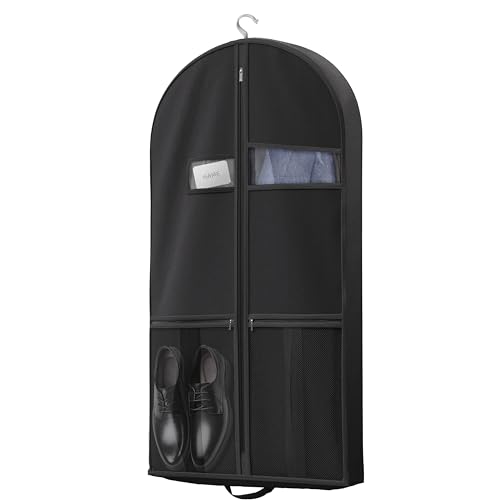
If you are storing multiple metallic knits or a particularly bulky sweater, the Zober bag provides the necessary gusseted space. A gusset is the extra fabric width that allows the bag to expand, preventing the sides from pressing against your garment.
Pressing a bag too tightly against a metallic knit is a recipe for snags and flattened stitches. You want your garments to have "breathing room" so the fibers can sit naturally without being crushed by the weight of other items.
This is the best option for the knitter who has a dedicated section of their closet for their finished projects. It’s practical, spacious, and keeps your collection organized without sacrificing the safety of your fibers.
Why Metallic Yarns Need Specialized Storage Care
Metallic yarns are typically composed of a plastic or nylon core wrapped in a thin layer of metal, such as aluminum or copper. Because of this construction, they are physically more fragile than pure wool or silk.
When these yarns are stored improperly, they can suffer from:
- Oxidation: Humidity causes metallic surfaces to tarnish or turn dull.
- Snagging: The metallic ply can catch on itself or other garments, pulling loops.
- Stress Fractures: Repeated folding or hanging on sharp edges can cause the metal to snap.
Treating these garments like standard cotton or acrylic will eventually lead to disappointment. They require a controlled environment that minimizes movement and environmental exposure.
Breathable Fabrics vs Plastic: Choosing the Best
Never store your metallic knits in plastic garment bags or dry-cleaning covers. Plastic traps moisture, which is the primary enemy of both natural fibers and metallic coatings.
- Breathable fabrics (Cotton, non-woven poly): Allow air circulation, reducing the risk of mold and tarnish.
- Plastic: Traps humidity and can cause chemical reactions with certain metallic coatings.
If you must use a bag, always opt for one that allows air to pass through. Your goal is to keep dust out while letting the fibers "breathe" to avoid moisture buildup.
Preventing Snags and Tarnish on Metallic Fibers
The biggest threat to a metallic knit is the "hook and loop" effect. A single protruding metallic fiber can catch on a neighboring loop, creating a snag that is incredibly difficult to repair without distorting the surrounding stitches.
To prevent this, ensure your garment is completely clean before storage. Body oils and sweat contain salts that accelerate the tarnishing process of metallic yarns.
Always turn your garment inside out if possible, or store it flat in a bag if it is prone to stretching. By minimizing the surface area exposed to friction, you significantly extend the life of the metallic sheen.
How to Properly Fold and Hang Your Delicate Knits
Not every knit should hang; in fact, most heavy or loose-gauge metallic knits are better off stored folded. If you choose to hang them, use a wide, padded hanger to distribute the weight evenly across the shoulders.
If you are storing them folded:
- Use acid-free tissue paper between layers to prevent friction.
- Avoid over-stuffing drawers or shelves where the weight of other items could crush the stitches.
- Never use wire hangers, which can leave permanent marks or rust stains.
If you are unsure, err on the side of flat storage. It is the safest way to ensure your metallic knit maintains its structural integrity and stitch definition for years to come.
Caring for metallic knits requires a shift in mindset from "storage" to "preservation." By selecting the right breathable garment bag and paying attention to how your pieces are hung or folded, you ensure your work remains as vibrant as the day you finished it. Remember, these fibers are delicate, but with the right tools, they can last a lifetime. Treat your knits with the same care you put into every stitch, and they will reward you with years of wear.