6 Best Rubber Feet For Loom Stability You Should Try
Tired of your loom sliding? Discover the 6 best rubber feet to enhance stability, prevent surface scratches, and ensure a smooth, professional weaving process.
A wobbling loom is the quickest way to ruin your rhythm and compromise your tension during a long weaving session. When your equipment shifts under the pressure of the beater, your selvedges can become uneven and your shed may lose its clarity. These six rubber feet options provide the necessary friction to keep your workspace stationary and your focus entirely on the pattern. Investing in stability is just as critical as choosing the right warp yarn for your project.
GorillaGrip Premium Furniture Pads: Best Overall


These pads are the industry standard for a reason, offering a dense, high-friction material that stands up to the rhythmic pounding of a loom beater. They are incredibly versatile, fitting everything from small table looms to larger floor models with ease.
The adhesive backing is remarkably strong, ensuring that the pads don’t shift even when you are working with high-tension warps. If you have ever felt your loom "walk" across a hardwood floor during a long weaving project, you know how distracting that movement can be.
The bottom line is that these offer the best balance of durability and grip. They are an essential upgrade for any weaver who wants to stop worrying about equipment movement and start focusing on intricate colorwork or complex twill structures.
Slipstick Gorilla Rubber Feet for Heavy Looms

If you are working on a heavy, multi-shaft floor loom, standard pads might compress and lose their effectiveness over time. Slipstick feet are designed specifically for high-load applications, featuring a specialized rubber compound that resists flattening.
These are particularly useful if your loom sits on a slick surface like laminate or tile. The extra thickness provides a slight buffer that absorbs the vibration of the beater, which can actually help reduce fatigue in your wrists and shoulders during long sessions.
While they are bulkier than standard pads, the trade-off is superior stability under heavy pressure. If you are weaving heavy-weight rugs or high-tension wool projects, these are the heavy-duty solution you need.
Waxman Heavy Duty Rubber Floor Protectors

Waxman protectors are a reliable, no-nonsense choice for weavers who need a simple solution that just works. They are widely available and come in various sizes, making them perfect for custom-built looms or vintage equipment with non-standard leg shapes.
The material is firm yet flexible enough to conform slightly to uneven floor surfaces. This is a common issue in older homes where the floor might not be perfectly level, leading to a loom that rocks back and forth.
They provide enough grip to prevent sliding without being so sticky that they attract every stray fiber or bit of lint on your floor. They are an honest, practical choice for the weaver who wants stability without overthinking the hardware.
Scotch Self-Adhesive Rubber Bumper Pads
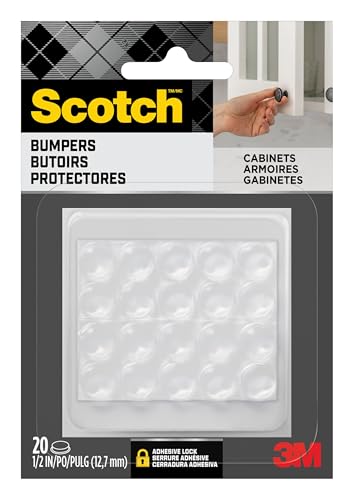
These smaller, circular bumpers are ideal for table looms that need a little extra help staying put on a dining room table. They aren’t meant for heavy floor looms, but for smaller equipment, they provide excellent localized grip.
Because they are smaller, you can strategically place them on the specific points where your loom makes contact with the table. This allows you to create a "locked-in" feel without having to cover the entire base of the loom.
Keep in mind that these are best for lighter projects like scarves or delicate lace weaving. If you are working with very high tension, you might find that the smaller surface area doesn’t provide enough resistance, so choose your placement carefully.
Shepherd Hardware Non-Slip Rubber Grippers

Shepherd Hardware grippers are designed with a textured surface that maximizes surface area contact. This texture is the secret weapon for weavers who struggle with looms that slide even on carpeted surfaces.
The rubber used here is slightly softer, which allows it to "bite" into the floor or table surface more effectively. This is a game-changer when you are working on a project that requires a forceful beat, like a dense tapestry.
Just be aware that because they are softer, they may collect dust over time, which can reduce their grip. A quick wipe with a damp cloth will restore their performance, keeping your loom rock-solid for the next project.
Super Sliders Reusable Rubber Furniture Pads

These are a unique choice because they are designed to be repositionable, which is perfect if you move your loom around your studio. If you are a weaver who likes to change your setup based on available light or project needs, these are a lifesaver.
They offer a decent amount of grip, though perhaps slightly less than a permanent adhesive pad. However, the convenience of being able to move your loom without damaging your floors or leaving sticky residue is a major advantage.
Think of these as the "project-based" option for your loom. They are perfect for temporary setups, but if you have a permanent studio space, you may eventually want to switch to a more permanent adhesive solution.
Why Loom Stability Matters for Your Projects
Stability is the foundation of consistent tension, which is the hallmark of a professional-looking weave. When your loom moves, your warp tension fluctuates, leading to variations in your beat that show up as wavy or uneven fabric.
Think of it like knitting with needles that keep changing size; your gauge would never be consistent. A stable loom allows you to maintain a steady, rhythmic beat, which is essential for achieving the perfect "hand" in your finished cloth.
Furthermore, a stable loom is safer and more comfortable to use. When you aren’t subconsciously bracing your body against the movement of the loom, you can maintain better posture and avoid the repetitive strain injuries that can plague fiber artists.
How to Measure Your Loom for Rubber Feet
Before buying, take a moment to look at the footprint of your loom’s legs. You need to know both the shape and the total surface area to ensure you choose a pad that can support the weight of the frame.
If your loom has thin metal legs, you will need a pad that is small enough to fit the leg but thick enough to provide cushioning. If you have a wooden floor loom, you might prefer a larger, square pad that distributes the weight more evenly.
Don’t forget to measure the thickness of the leg base as well. You want to ensure the pad won’t slide off the edge of the leg during normal use, which can happen if the pad is too large or the adhesive is weak.
Installing Adhesive Pads for Maximum Grip
The secret to a long-lasting bond is a clean, dry surface. Before you peel and stick, wipe the bottom of your loom legs with a little rubbing alcohol to remove any wax, dust, or residual finish that might prevent the adhesive from sticking.
Apply the pads firmly and hold them in place for at least 30 seconds to ensure the adhesive sets properly. It is often a good idea to let the loom sit for a few hours before you start weaving to allow the bond to reach full strength.
Avoid the temptation to slide the loom into place immediately after installation. If you need to move it, lift the loom completely off the floor and set it down in the new spot to avoid shearing the pads off the legs.
Troubleshooting Loom Wobble During Weaving
If your loom is still wobbling after installing rubber feet, the issue might not be the feet themselves, but the floor. Check to see if one leg is slightly shorter or if the floor has a dip; a simple shim can often solve what rubber feet cannot.
Sometimes, the wobble comes from the frame itself. Check your wing nuts and bolts to ensure everything is tightened securely, as loose joints can mimic the feeling of a wobbling loom.
Finally, consider your weaving technique. If you find yourself beating too hard, try to adjust your motion to be more fluid and less abrupt. A smooth, consistent beat is much easier on your loom and your body than a sharp, jarring one.
Ensuring your loom is stable is a fundamental step in elevating the quality of your weaving. By choosing the right rubber feet and maintaining your equipment, you create a workspace that supports your creativity rather than hindering it. Take the time to secure your setup, and you will find that your tension becomes more consistent and your weaving rhythm flows much more naturally. Happy weaving, and may your selvedges always be straight.