6 Best Blocking Sprays For Lace Shaping To Use
Discover the top 6 blocking sprays for lace shaping. This guide reviews essential products to help you achieve crisp, professional results for your projects.
Blocking is the final, transformative step that turns a crumpled, uneven piece of knitting into a professional-grade lace masterpiece. While a full soak is often standard, blocking sprays provide a targeted approach for refreshing intricate lace projects without the weight of a full water bath. Choosing the right spray ensures your delicate fibers remain supple while holding the crisp, open architecture of your lace work. These six options represent the gold standard for maintaining the structural integrity and longevity of your hand-knits.
Soak Flatter: The Best Overall Blocking Spray


Soak Flatter is a staple in my knitting bag because it offers a perfect balance of light hold and fabric conditioning. It is designed to be a "no-rinse" solution, making it incredibly convenient when you need to touch up a shawl that has lost its crispness after a few wears.
The formula is specifically engineered to relax fibers, allowing you to gently nudge your lace points into place without over-saturating the yarn. I find it particularly effective for wool-silk blends, which can sometimes be stubborn when you are trying to open up lace motifs.
Because it is plant-derived and gentle, it doesn’t leave behind a sticky residue that might attract dust over time. If you want a reliable, all-purpose spray that respects the integrity of your stitches, this is the one to reach for.
Eucalan Delicate Wash: Best for Fiber Care
While primarily known as a soak, many experienced knitters dilute Eucalan into a spray bottle for targeted blocking. It contains lanolin, which is a natural wax found in sheep’s wool, helping to keep the fibers hydrated and soft.
This is my go-to choice for high-end, untreated wools that need a bit of extra nourishment during the blocking process. When you spray it on, the lanolin helps the fibers "remember" their shape, making the blocking process more durable.
Be careful with your dilution ratios, as too much product can make the fabric feel slightly heavy. A little goes a long way, and it provides a protective barrier against moths and environmental pollutants.
The Laundress Wool & Cashmere: Best for Luxury
If you are working with high-end luxury fibers like cashmere, angora, or pashmina, The Laundress offers a sophisticated approach. This spray is formulated to clean and refresh delicate proteins without stripping them of their natural oils.
The scent is subtle and refined, which is a significant departure from the medicinal smells found in many laundry products. It works beautifully for those "heirloom" projects that you spend months working on and want to preserve for a lifetime.
However, keep in mind that this is a premium product with a price point to match. Reserve this for your most precious, hand-dyed yarns where fiber preservation is your absolute top priority.

Kookaburra Gentle Wash: Best for Sensitive Wool

Kookaburra uses a unique, tea-tree oil-based formula that is exceptionally gentle on both the yarn and the knitter’s skin. It is a fantastic choice if you or your family members have sensitivities to synthetic fragrances or harsh detergents.
The natural antiseptic properties of the tea tree oil help keep your hand-knits fresh and clean. When used as a spray, it helps the yarn relax quickly, allowing for precise pinning of lace points.
It is particularly effective for those who knit with raw, minimally processed wools that still contain a bit of natural debris. It cleans as it blocks, ensuring your lace looks as pristine as the day you cast off.
Eucalan Lavender Spray: Best for Fresh Scents

There is something inherently calming about the scent of lavender on a freshly blocked lace shawl. This spray combines the fiber-conditioning benefits of the original Eucalan formula with a lovely, natural essential oil fragrance.
It works exceptionally well for items that are stored away for the season, like winter lace scarves or cowls. The lavender acts as a mild natural deterrent for pests, adding a layer of protection while your knits are in the drawer.
Just ensure that you are not over-spraying, as the scent can be potent if you use too much. A light misting is plenty to provide that fresh, clean smell without overpowering the room.
Soak Yuzu Scent: Best for Quick Lace Shaping

When I am in a rush to finish a project for a gift or an event, I reach for the Yuzu-scented Soak spray. The citrus notes are bright and energizing, and the formula is designed for rapid absorption and drying.
The quick-dry nature of this spray is a huge advantage when you are working with thicker lace weights or yarns that don’t like to stay damp for too long. It helps the yarn "set" into its blocked shape much faster than water alone.
It is the perfect tool for the "last-minute block" before heading out the door. It won’t leave your project feeling wet or heavy, so you can wear your lace almost immediately after pinning it out.
Why Blocking Sprays Are Essential for Lace Work
Lace relies on the tension between stitches to create those beautiful, open windows of air. Without proper blocking, those stitches often look bunched and uneven, hiding the true beauty of your pattern.
Blocking sprays allow you to dampen only the areas that need adjusting, such as the points of a shawl or the edges of a lace panel. This is much faster than a full soak and prevents the yarn from becoming waterlogged or over-stretched.
Furthermore, sprays help refresh the yarn’s drape after it has been sitting in a project bag. It is a vital maintenance tool that keeps your hard work looking fresh and professional long after the initial bind-off.
How to Properly Apply Spray for Even Shaping
The secret to a successful spray-block is a fine, consistent mist rather than a heavy soaking. Hold your spray bottle about 8 to 10 inches away from the project to ensure the moisture is distributed evenly across the surface.
Once you have misted the area, use your hands to gently pat the moisture into the fibers. Do not rub or scrub, as this can cause pilling or unwanted felting, especially with delicate wools.
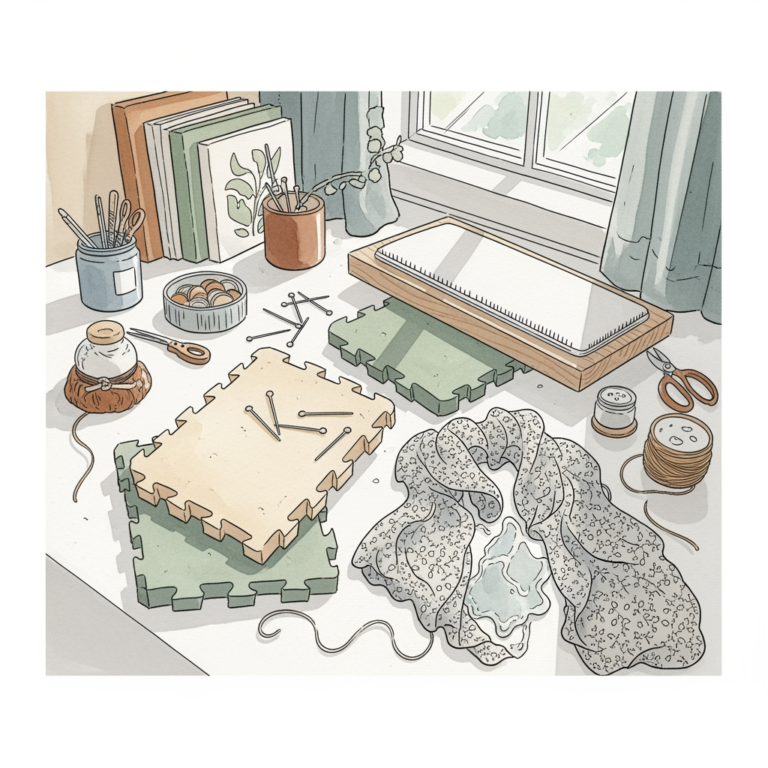
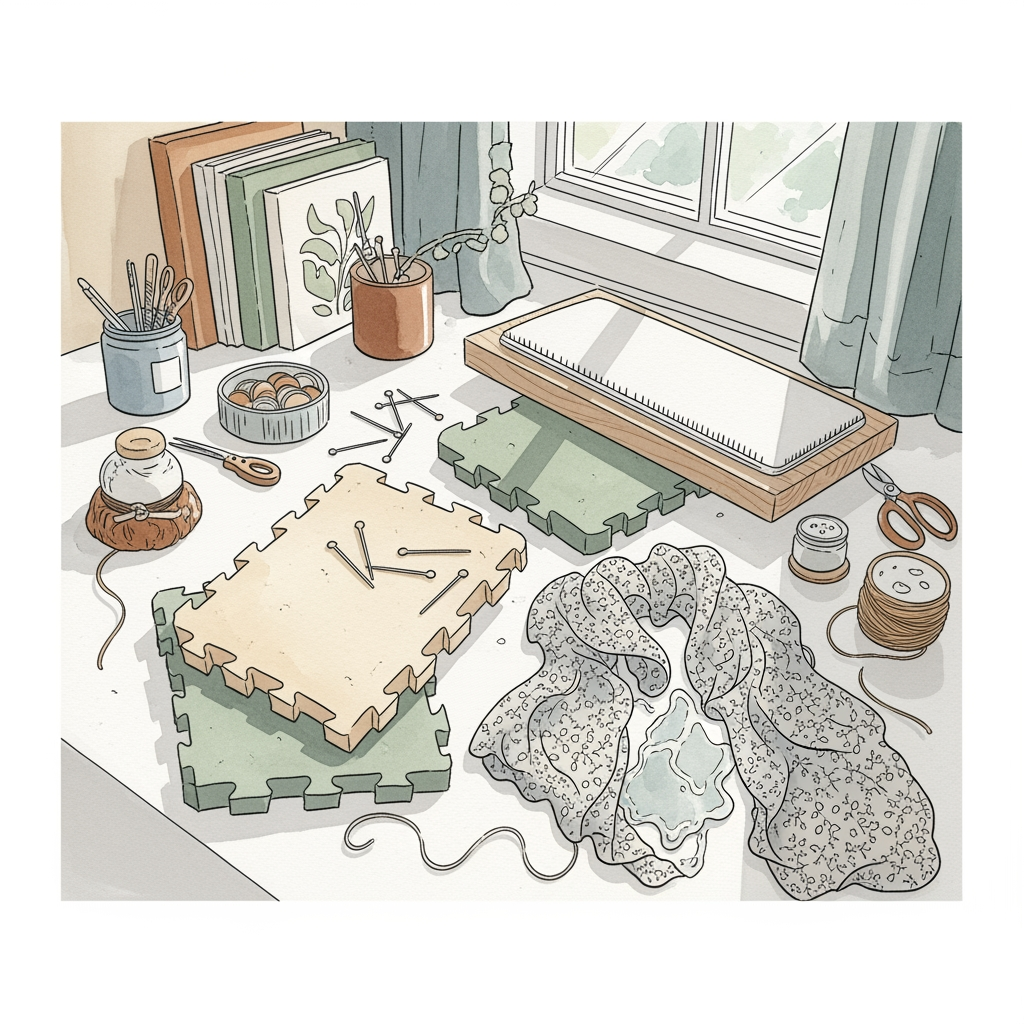
After misting, pin your lace out firmly but gently, ensuring that every point is secured. Allow the piece to dry completely in a well-ventilated area before removing the pins to ensure the shape holds permanently.
Choosing the Right Spray Based on Fiber Content
Your choice of spray should always be dictated by the fiber content of your yarn. Different fibers react differently to moisture and conditioning agents:
- Animal Fibers (Wool, Alpaca, Cashmere): Benefit from lanolin-rich sprays that nourish the hair fibers.
- Plant Fibers (Cotton, Linen, Bamboo): Need a lighter touch, as they can become heavy and lose their shape if too much moisture is added.
- Synthetics/Blends: Generally very forgiving, but avoid heavy oils that might sit on the surface of the fiber rather than absorbing.
Always perform a small patch test on a leftover swatch if you are unsure how your specific yarn will react. This prevents any potential discoloration or texture changes on your finished project.
Common Mistakes to Avoid When Blocking Lace
The most common mistake I see is over-saturating the lace, which can cause the yarn to lose its elasticity and "sag." Remember that you are trying to relax the fibers, not drown them, so start with less product than you think you need.
Another frequent error is failing to pin the project while it is damp. The fibers must be held in their new, expanded shape while the moisture evaporates, or they will simply return to their original, bunched-up state.
Finally, never rush the drying process by using a hairdryer or placing the project too close to a heat source. Natural, air-drying is the only way to ensure the lace maintains its shape and the fibers remain healthy and strong.
Blocking is the bridge between a handmade project and a professional-looking garment. By using the right blocking spray, you provide your lace with the structure it needs to shine while extending the life of your precious fibers. Take your time, be gentle with your stitches, and enjoy the transformative magic of the final block. Your finished lace will reward your care with beauty and longevity for years to come.