6 Best Yarn Separators For Multi-strand Winding
Optimize your multi-strand winding with these six top-rated yarn separators. Discover tools that ensure tension, prevent tangling, and boost project efficiency.
Working with multiple strands of yarn simultaneously can transform a simple project into a rich, textured masterpiece, but it often leads to a tangled nightmare of twisted fibers. Using the right yarn separator is the difference between a meditative knitting session and an hour spent detangling knots. These tools act as the "traffic controllers" for your yarn, ensuring each strand feeds into your needles with consistent tension. Whether you are holding two strands of lace weight or combining a mohair with a sturdy wool, these devices are essential for maintaining professional stitch definition.
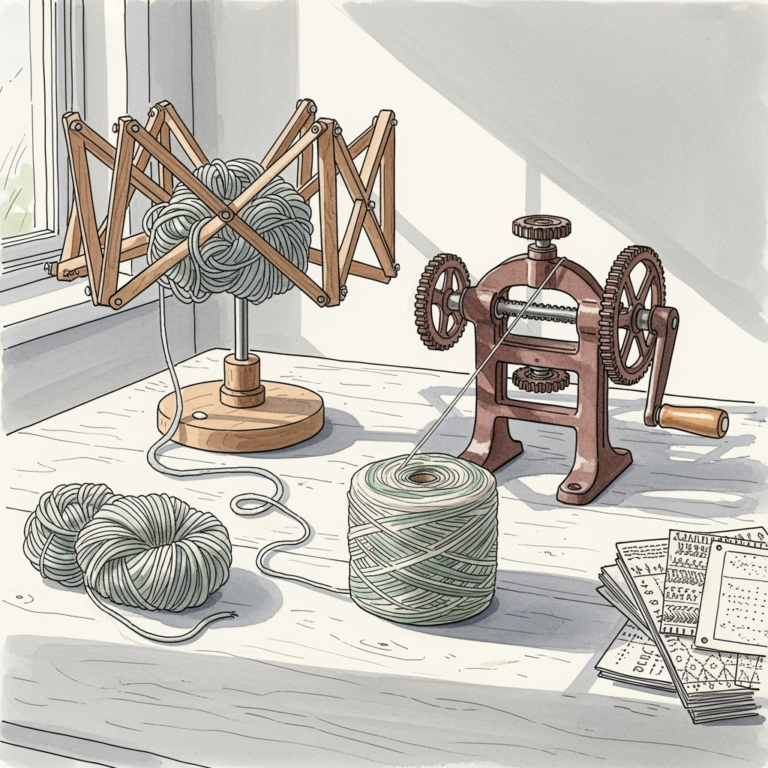
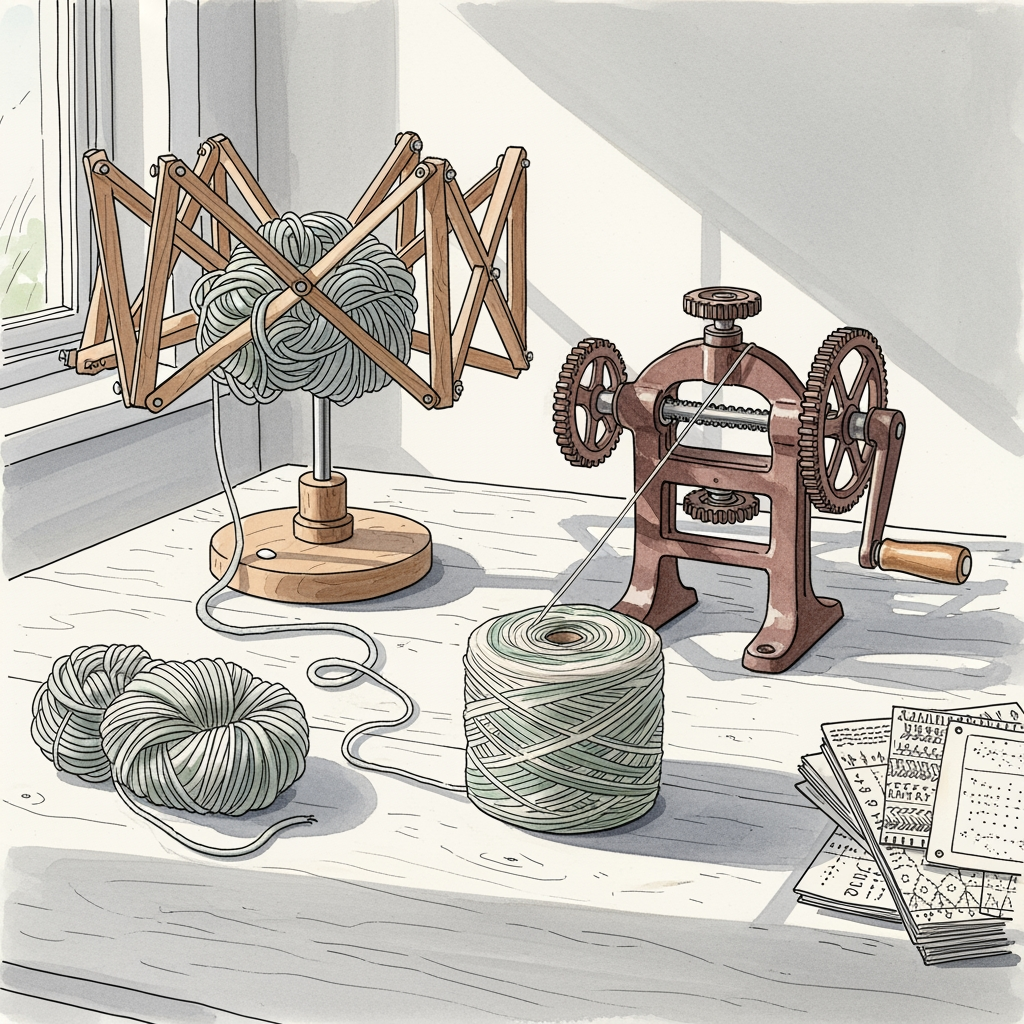
Stanwood Needlecraft Yarn Ball Winder: Best Overall
This winder is a staple in many serious fiber studios because it handles the transition from loose skeins to center-pull cakes with incredible reliability. Its heavy-duty metal gears provide a smooth, consistent rotation that prevents the yarn from snagging or snapping under tension.
When you are combining multiple strands to create a custom marl, this winder creates a perfectly uniform cake that won’t collapse mid-project. The steady winding speed ensures that the tension remains identical across all strands, which is crucial for preventing uneven loops in your finished fabric.
While it is a larger investment than basic plastic models, the durability of the metal components makes it worth the cost for anyone who winds yarn weekly. If you frequently work with delicate fibers like silk or fine alpaca, the smooth operation of this winder is a significant advantage.
Lacis Yarn Guide: Best for Precision Separation
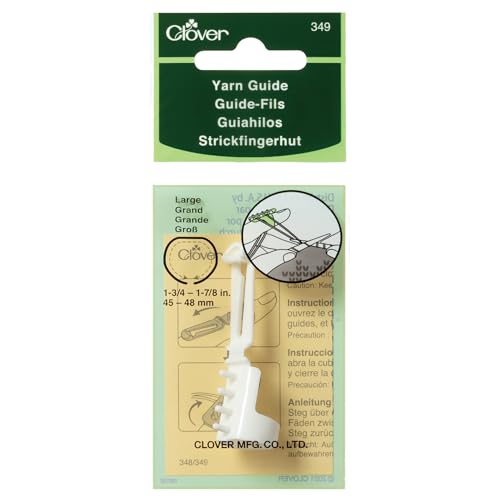

If you have ever tried to hold three strands of yarn in one hand, you know that they inevitably twist together, ruining your gauge. The Lacis Yarn Guide is a simple, elegant solution that keeps every strand physically separated until the very moment they hit your needles.
This tool is particularly effective for colorwork or holding multiple strands of different weights where one might be "stickier" than the other. By forcing the yarns to travel through individual eyelets, it eliminates the friction that causes strands to snag on each other.
It is a small, unobtrusive device that clips easily onto your table or swift, making it ideal for those with limited workspace. For the knitter who demands perfect stitch uniformity, this level of separation is a total game-changer.
Nancy’s Knit Knacks Yarn Manager: Best for Control
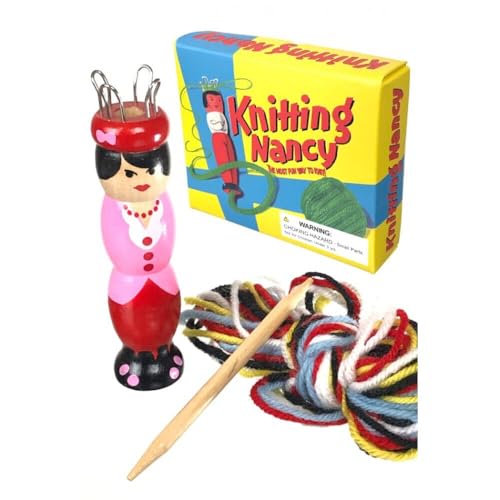
The Yarn Manager from Nancy’s Knit Knacks is designed for those who need total control over the tension of their multi-strand setup. It features adjustable tension posts that allow you to customize how much drag is applied to each individual strand of yarn.
This is invaluable when you are working with a mix of fibers, such as a slippery nylon-blend sock yarn paired with a grippy, woolen-spun Shetland. You can tighten the tension on the slippery strand and loosen it on the grippy one to ensure they feed into your work at the exact same rate.
It is a more technical tool that requires a bit of experimentation to master, but the results are undeniable. Once you dial in your settings, your knitting speed will increase because you no longer have to manually adjust for tension imbalances.
Fiber Artist Supply Co. Yarn Guide: Best Durability
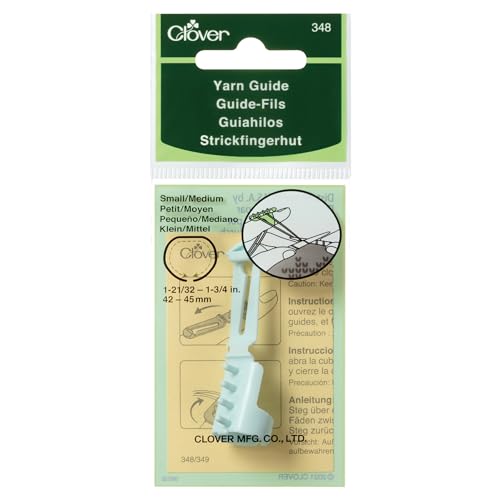
Crafted from high-quality wood, this yarn guide is built to withstand years of daily use in a busy studio. It lacks the complex moving parts of mechanical winders, which means there is almost nothing that can break or malfunction during a long knitting session.
The smooth, polished finish of the wood ensures that even the most delicate, snag-prone fibers glide through without catching. It relies on a simple, gravity-fed design that is remarkably effective at keeping multiple strands from tangling as they feed from your yarn bowls.

If you prefer tools that feel like heirloom pieces rather than disposable plastic, this is the guide for you. It is a quiet, reliable partner that does its job without drawing attention away from your craft.
Ashford Yarn Guide for Spinning: Best Multi-Strand

While originally designed for spinning wheels, this guide is a secret weapon for knitters who need to combine four or more strands. Its wide, open-frame design allows you to thread multiple ends through without them rubbing against each other.
This is the ultimate choice for large-scale projects like blankets or heavy-duty sweaters where you are pulling from several different cones or cakes at once. The wide spacing prevents the "twisting" effect that happens when strands are forced through a single, narrow eyelet.
It is essentially a heavy-duty organizer that keeps your workspace tidy even when you are juggling a mountain of yarn. If your knitting involves complex marling with many colors, this guide provides the necessary room to breathe.
Yarn Valet Yarn Dispenser: Best Portable Option
The Yarn Valet is a brilliant, pocket-sized solution for knitters who like to take their multi-strand projects on the go. It clips onto your project bag or a nearby surface and uses a simple tension spring to keep your yarns from rolling away or tangling.
It is not as robust as a table-mounted guide, but for a coffee shop knitting session, it is unbeatable. It keeps two or three strands organized and tensioned well enough to prevent the dreaded "yarn barf" that happens when a ball rolls off your lap.
This is the best tool for the knitter who refuses to be tethered to a desk. It proves that you don’t need a massive, expensive setup to achieve professional results on the move.
Why Use a Yarn Separator for Multi-Strand Projects
When you hold multiple strands together, the biggest risk is "ply-twisting," where the strands wrap around each other and create uneven tension. A yarn separator keeps these strands parallel, ensuring that the yarn enters your needle hook or tip as a single, cohesive unit.
This consistency is vital for maintaining a uniform gauge throughout your project. Without a separator, you might find that one strand is pulling tighter than the others, leading to loops that look messy or inconsistent in your finished fabric.
Using these tools also helps you identify if a strand has broken or run out before it creates a disaster in your work. It creates a visual "check-point" that makes your knitting process more organized and less prone to errors.
How to Prevent Tangling When Holding Strands Together
The most common cause of tangling is placing your yarn balls too close together on the floor or a table. Always ensure that each strand is coming from its own distinct source, ideally inside its own individual yarn bowl or dispenser.
If you are pulling from the center of a cake, make sure the cakes are oriented so they don’t tip over. A simple trick is to place your yarn cakes in a heavy ceramic bowl or a dedicated yarn holder to keep them stationary as you pull.

Finally, keep your workspace clear of loose ends and scissors. Even a small amount of friction against a stray thread can cause your multiple strands to catch and knot, leading to a frustrating detangling session.
Key Features to Consider When Buying Yarn Separators
When choosing a separator, consider the following factors to ensure it fits your specific knitting habits:
- Number of Strands: Ensure the guide can handle the maximum number of strands you typically use.
- Material: Smooth wood or polished metal is essential to prevent snagging on delicate fibers.
- Tension Control: Look for adjustable tension if you often mix different fiber types (e.g., wool with mohair).
- Mounting Style: Decide if you need a permanent table-mount or a portable clip-on design.
- Ease of Threading: You want a tool that is quick to set up so it doesn’t interrupt your creative flow.
Troubleshooting Common Yarn Tension Issues at Home
If you notice your fabric looking "uneven," check the tension on each individual strand first. Often, one strand is feeding faster than the others, which causes it to sag or loop on the surface of your knitting.
Try adjusting your yarn guide or your hand position to create more drag on the loose strand. If you are using a guide with tension posts, tighten the specific post associated with that strand until the tension feels balanced.
Remember that different fibers have different "memory" and elasticity; a superwash wool will behave very differently than a raw, sticky highland wool. Always knit a small swatch with your chosen multi-strand combination to see how the fibers interact before committing to a large project.
Mastering the use of yarn separators will fundamentally change how you approach multi-strand knitting projects. By investing in a tool that suits your personal style and workspace, you eliminate the frustration of tangles and uneven tension. Remember that the goal is to make your knitting experience more fluid and enjoyable, so choose the tool that fits your process best. Happy knitting, and enjoy the beautiful texture that comes from perfectly managed strands.