6 Best Blocking Sprays For Freshening Finished Knits
Keep your hand-knits looking pristine with our top six blocking sprays. Discover the best formulas to shape, refresh, and protect your finished projects today.
After spending hundreds of hours perfecting your tension, the final step of blocking is where a project truly transforms from a collection of stitches into a professional garment. While full submersion is traditional, a targeted blocking spray offers a faster, safer way to refresh finished knits without risking over-stretching or color bleeding. This guide explores the best solutions to help your handknits maintain their shape, drape, and longevity. Choosing the right product is just as important as selecting your yarn, as the wrong chemistry can compromise delicate fibers.
Soak Flatter: Best Overall for Delicate Fibers


Soak Flatter is the industry standard for a reason: it’s a leave-in formula that doesn’t leave a heavy, soapy residue behind. It’s perfect for those moments when you’ve finished a lace shawl and just need to coax the points into place without a full soak.
Because it is pH-balanced, it won’t strip the natural oils from animal fibers or cause synthetic blends to stiffen over time. It’s incredibly versatile, working just as well on a sturdy wool sweater as it does on a fragile silk-mohair blend.
If you are dealing with a project that has complex cables or intricate lace motifs, this spray allows you to hydrate specific areas that need more aggressive pinning. It’s the ultimate "spot-check" tool for the busy knitter.
Eucalan No-Rinse: Best for Wool and Cashmere
Eucalan is a staple in my knitting bag because it contains lanolin, which mimics the natural oils found in sheep’s wool. When you spray this onto a finished wool garment, you are essentially conditioning the fiber rather than just cleaning it.
This is particularly vital for rustic, non-superwash wools that can become brittle after frequent wear. By lightly misting your garment, you restore that signature "squish" that makes handknitted wool so desirable.
Just remember that a little goes a long way; over-saturating can make the wool feel slightly tacky. Use it to refresh a garment that has been sitting in storage to keep moths at bay, thanks to the natural essential oils.
The Laundress Wool & Cashmere: Best for Luxury
When you’ve invested in high-end yarns like hand-dyed cashmere or baby alpaca, you want a product that feels as luxurious as the fiber itself. The Laundress offers a sophisticated scent profile that elevates the post-blocking experience.
This spray is designed to neutralize odors and refresh fibers without the need for constant washing, which can eventually lead to pilling. It’s ideal for those "in-between" moments when your favorite sweater needs a lift but isn’t actually dirty.
It is a premium product, so save this for your heirloom-quality pieces. If you’ve spent months on a stranded colorwork project with expensive fiber, this is the care it deserves.
Twig & Horn Wool Soap: Best for Natural Scent
Twig & Horn focuses on a clean, minimal ingredient list that appeals to knitters who are sensitive to synthetic fragrances. Their scent is derived from natural cedarwood, which is a traditional, effective deterrent for moths.
The formula is gentle enough that you don’t have to worry about it reacting poorly with natural dyes. If you have a project that feels a bit "flat" after being blocked, this spray helps lift the fibers and restore the loft of the yarn.
It’s a fantastic choice for those who want their knitting to smell like a walk in the woods rather than a perfume counter. It’s honest, effective, and keeps your stash and finished objects smelling fresh.
Kookaburra Wash: Best for Gentle Fiber Care

Kookaburra is a tea-tree oil-based wash that is excellent for those who are prone to allergies or skin sensitivities. It’s incredibly mild, making it a safe bet for baby blankets or garments that will be worn against bare skin.
The tea tree oil acts as a natural disinfectant, which is great for items that get a lot of daily use, like cowls or hats. It doesn’t leave a heavy scent behind, just a clean, neutral finish that lets the yarn speak for itself.
If you are blocking a project that will be gifted to a new parent, this is the product I recommend most. It’s reliable, effective, and completely non-toxic.
Unicorn Fibre Wash: Best for Sensitive Skin
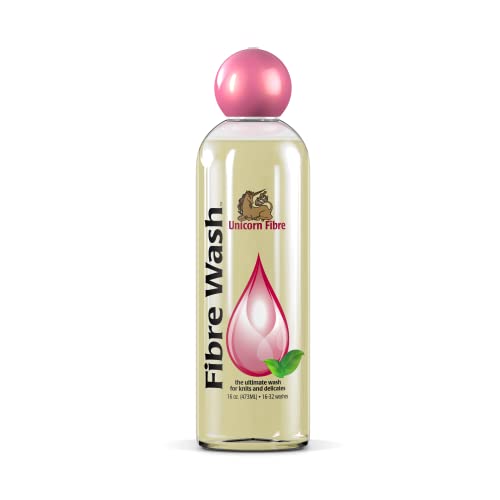
Unicorn Fibre Wash is designed for those who need a professional-grade clean without any harsh chemicals or additives. It is highly concentrated, so a small amount diluted in a spray bottle lasts for a very long time.
It’s particularly good at removing the manufacturing oils or "spinning grease" that can sometimes linger on even high-quality yarns. By removing these residues, the fiber opens up, allowing your stitches to bloom and settle into their final position.
For those with chemical sensitivities, this is often the only product that doesn’t cause irritation. It respects the integrity of the fiber while ensuring your finished knit is as soft as possible.
How to Use Blocking Sprays on Finished Knits
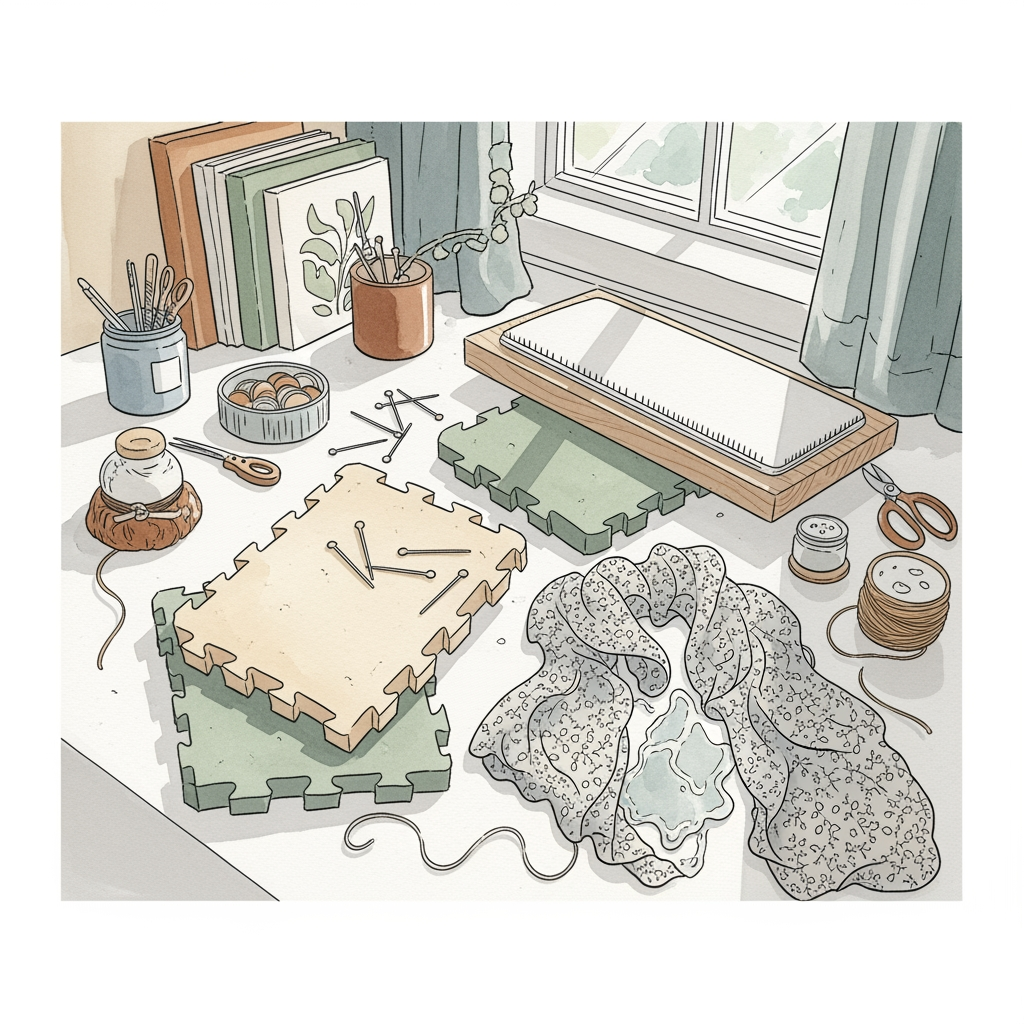
To use a blocking spray effectively, start by laying your finished piece flat on your blocking mats. Use rust-proof T-pins to secure the edges, gently stretching the fabric to your desired measurements.
Hold the spray bottle about 8 to 10 inches away from the fabric to ensure an even, fine mist. You want the fibers to be damp, not dripping wet; if you oversaturate, the drying time will increase and you risk stretching the fabric out of shape.
Once misted, use your hands to gently pat the moisture into the stitches. Let it air dry completely before removing the pins, as the drying process is what "sets" the yarn into its new, relaxed state.
Why Blocking Spray Beats Full Submersion Soaks
Full submersion is necessary for the initial blocking of a large garment, but it can be risky for delicate items. Repeated soaking can lead to fiber fatigue, especially with loosely spun yarns that might lose their structural integrity.
Blocking spray provides a controlled environment where you only hydrate the areas that need adjustment. It prevents the "drowning" of fibers that can lead to excessive drooping or unwanted growth in certain stitch patterns.
Furthermore, it’s a massive time-saver for minor touch-ups. If you’ve worn a sweater a few times and the ribbing at the cuffs has lost its snap, a quick spray and a gentle reshaping is all you need.
Essential Tools for Precision Blocking Results
- Blocking Mats: Look for interlocking foam tiles that can accommodate large sweaters or long shawls.
- Rust-Proof T-Pins: Never use standard sewing pins, as they will rust and stain your hard work.
- A Fine-Mist Spray Bottle: A high-quality trigger allows for better distribution than a standard household cleaner bottle.
- Measuring Tape: Always double-check your dimensions against your pattern’s schematic before you start spraying.
- Blocking Wires: These are essential for straight edges on scarves and shawls, ensuring a crisp, professional finish.
Fiber Care Tips for Longevity and Softness
The secret to long-lasting knits is to handle them as little as possible once they are finished. When storing your garments, fold them neatly rather than hanging them, as gravity will inevitably stretch out the shoulders and sleeves.
If you notice pilling, use a sweater stone or a specialized fabric shaver, but do so sparingly. Over-shaving can thin the yarn and lead to holes over time, so only treat the areas that are visibly worn.
Finally, remember that different fibers have different "memories." Superwash wool will always want to grow when wet, while traditional wool will hold its shape better. Always test a small swatch if you are unsure how your yarn will react to moisture.
Mastering the art of blocking is the final bridge between a handmade project and a professional-grade garment. Whether you choose a lanolin-rich wash or a simple, scent-free spray, the goal remains the same: to respect the fiber and preserve the hours of work you’ve poured into your stitches. Experiment with these products on your next project, and you’ll quickly see how a little targeted hydration can make all the difference. Happy knitting, and may your blocking mats always be full.