6 Best Foldable Swifts For Winding Hanks To Try
Discover the 6 best foldable swifts for effortless yarn winding. We compare top models to help you find a durable, space-saving tool for your fiber projects.
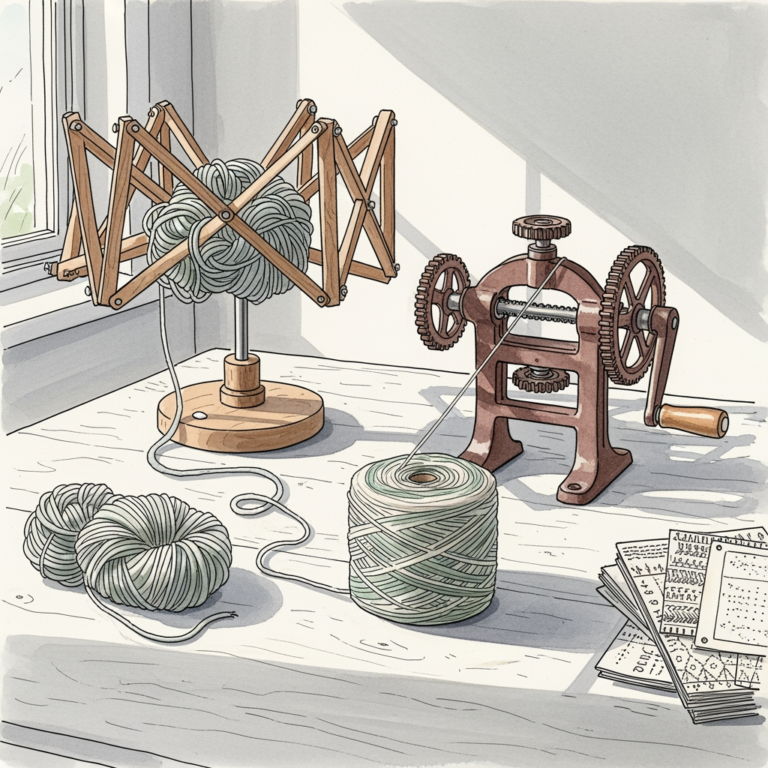
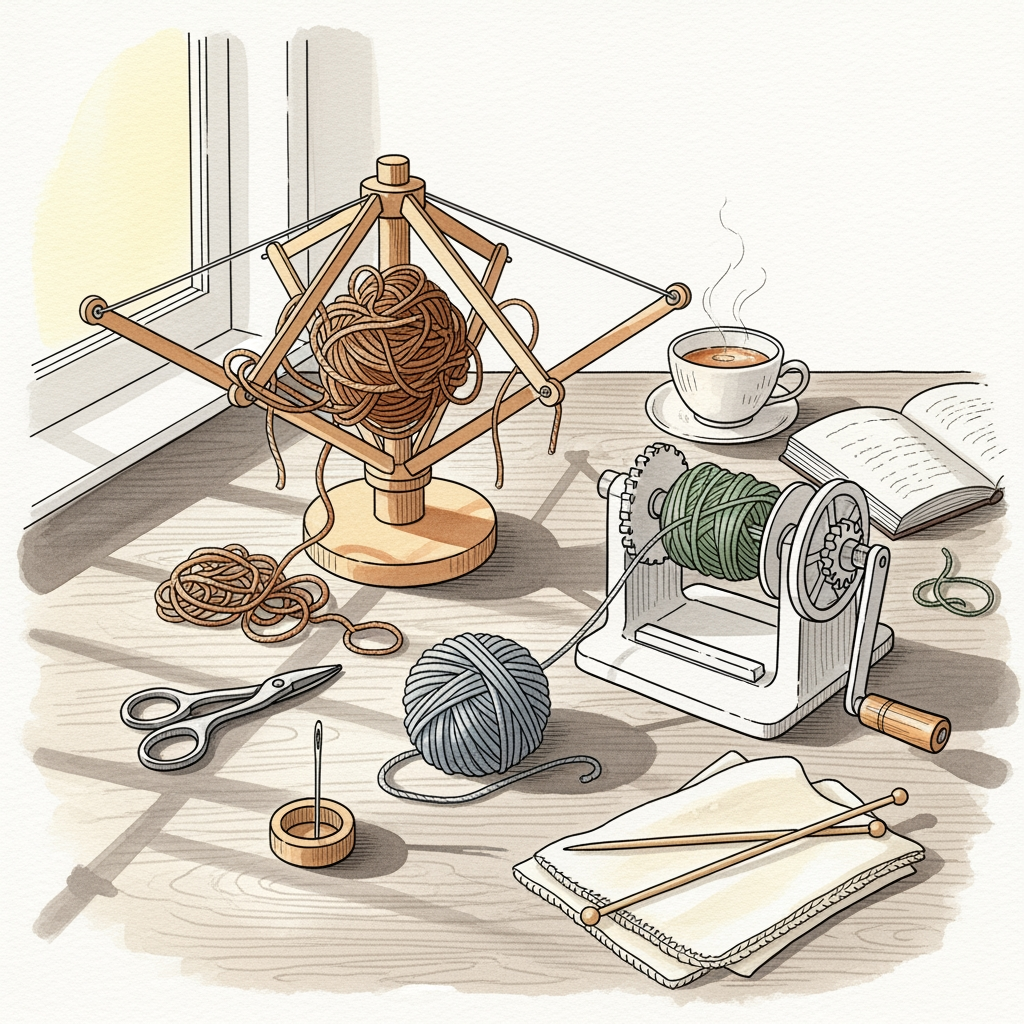
Nothing ruins the meditative rhythm of a new project faster than a tangled, knotted mess of yarn that refuses to cooperate. A quality yarn swift is the unsung hero of your stash, transforming hand-dyed hanks into neat, cake-ready strands in mere minutes. Whether you are prepping a delicate lace-weight mohair or a sturdy wool blend, the right tool makes all the difference. Here are the top six foldable swifts to help you spend less time detangling and more time knitting.
Stanwood Needlecraft Tabletop Swift
This model is the gold standard for many serious knitters, primarily because of its rock-solid construction. It features a heavy-duty metal clamp and smooth-spinning wooden arms that handle even the most massive, heavy-ply hanks without wobbling.
The real beauty here lies in the precision-engineered rotation. If you have ever dealt with a swift that jerks or stops mid-wind, you know how quickly that creates uneven tension in your yarn cake, which can lead to frustratingly inconsistent gauge later on.
If you frequently wind large quantities of luxury fibers like silk or alpaca, the stability of this swift is worth the investment. It provides a consistent, fluid motion that protects delicate fibers from unnecessary friction and stretching.
Knit Picks Yarn Swift: Best Value
For the knitter who wants functionality without the high price tag, this umbrella-style swift is a reliable workhorse. It is lightweight, compact, and folds down to a size that easily slides into a project bag or a small drawer.
While it lacks the heavy-duty weight of high-end wooden models, it performs exceptionally well for standard-weight yarns. It is particularly effective for those who only wind yarn occasionally or are working with smaller, lighter-weight skeins.
Keep in mind that because it is lightweight, you may need to secure it firmly to a sturdy table to prevent it from shifting during high-speed winding. It is a fantastic entry-level choice that proves you don’t need to break the bank to get professional results.
Lacis Wooden Umbrella Yarn Swift


The Lacis model is a classic in the fiber arts world, known for its elegant design and reliable performance. Its wooden frame is smooth and well-finished, ensuring that your yarn won’t snag or catch while it rotates.
This swift excels at handling a wide variety of hank sizes, from tiny lace-weight bundles to large, bulky skeins. The umbrella mechanism is intuitive, allowing you to quickly adjust the diameter to match the tension of your specific hank.
If you appreciate a tool that feels as good as it looks, this is a wonderful addition to your knitting nook. Just be sure to store it in a dry environment to keep the wood in pristine condition for years of winding.
Amish Style Wooden Yarn Swift
Unlike umbrella-style swifts, the Amish style is a horizontal, rotating cross-bar design that is incredibly easy to assemble and disassemble. It is often favored by knitters who lack permanent table space because it can be taken apart in seconds.
The horizontal rotation is exceptionally smooth, which is a major advantage when winding delicate, hand-spun yarns that might snap under too much tension. It allows the yarn to feed off the swift with almost zero resistance.
Because it sits directly on your table without a clamp, it is highly portable. It is the perfect companion for a knitting retreat where you might need to move your winding station from a common area to your own workspace.
ChiaoGoo Hand-Operated Yarn Swift

ChiaoGoo is a brand synonymous with quality, and their hand-operated swift lives up to that reputation. It is built with durability in mind, featuring sturdy components that can handle the rigors of daily use.
What sets this swift apart is the ergonomic design of the handle and the smooth, quiet operation. It is designed to minimize hand fatigue, which is a significant factor if you are winding multiple hanks for a large sweater project.
This is an excellent option for the knitter who values precision and wants a tool that will last for decades. It is a reliable, no-nonsense piece of equipment that keeps your yarn flowing perfectly from start to finish.
Boye Yarn Swift for Small Skeins

Not every project requires a massive, floor-to-ceiling swift; sometimes, you are just working with a small, precious hank of sock yarn. The Boye swift is specifically designed for these smaller tasks, offering a compact footprint.
It is incredibly simple to set up and use, making it a great choice for beginners who might be intimidated by more complex mechanisms. It handles light-weight fingering and lace yarns with surprising grace.
If you are a sock knitter who buys small, 50-gram hanks, this is your best friend. It is small enough to keep on your desk, ensuring you are always ready to wind a new colorway the moment inspiration strikes.
How to Properly Set Up Your Yarn Swift
The most common mistake knitters make is failing to secure their swift properly before starting. A loose swift will wobble, creating uneven tension that can lead to "tension shock" in your yarn, which eventually ruins the look of your stitches.
Always ensure your swift is at the correct height relative to your ball winder. If the yarn has to travel at an extreme angle, it will create friction and potentially cause the yarn to slip off the swift’s arms.
- Align the centers: Ensure the center of your swift and the center of your ball winder are roughly level.
- Check the tension: The yarn should be taut but not stretched; you shouldn’t have to fight the swift to pull the yarn through.
- Clear the workspace: Remove any nearby items that the yarn could snag on during the winding process.
Key Features of Foldable Yarn Swifts
When shopping for a foldable swift, prioritize the clamping mechanism and the smoothness of the rotation. A swift that folds is useless if the hinges are flimsy or if the arms stick during operation.
Look for materials that are smooth and snag-free. Whether it is polished wood or high-quality plastic, the surface must be perfectly finished to prevent delicate fibers like mohair or silk from catching.
- Portability: Does it fold flat enough to fit in your project bag?
- Adjustability: Can it handle both tiny lace hanks and large, bulky skeins?
- Stability: Does it have a robust clamp or a heavy base to prevent tipping?
Maintaining Your Swift for Longevity
A yarn swift is a mechanical tool, and like any machine, it requires a little bit of care to keep it running smoothly. If you notice your swift becoming "sticky," a light application of wood wax or a gentle cleaning can often restore its performance.
Avoid storing your swift in damp areas, as wood can warp and metal can corrode. If you live in a humid climate, consider keeping your wooden swift in a cloth bag with a small desiccant packet to prevent moisture damage.

Periodically check the screws and hinges to ensure they remain tight. A loose hinge can cause the arms to droop, which will eventually lead to the yarn slipping off the swift while you are in the middle of winding.
Troubleshooting Common Winding Issues
If your yarn keeps tangling, the culprit is almost always the tension of the hank itself. Before you start, shake out the hank to ensure the threads are not twisted; if the yarn is "choked" or tangled on the swift, your ball winder will inevitably create a knot.
If the yarn is slipping off the swift, try adjusting the umbrella diameter to be slightly larger. Sometimes, a hank is just a bit too loose, and providing a wider base will keep the strands from sliding down the arms.
- Tangled yarn: Stop winding immediately and manually detangle; forcing it will only create a tighter knot.
- Jerky rotation: Check for debris or dust in the central pivot point and clean it out.
- Uneven cakes: Slow down your winding speed and ensure the yarn is feeding directly from the swift to the winder without snagging.
Investing in a foldable swift is one of the smartest upgrades you can make for your knitting practice. By eliminating the frustration of tangled hanks, you protect your yarn and preserve your own creative energy for the actual knitting. Choose the model that best fits your space and your project style, and you will find yourself enjoying the winding process as much as the knitting itself. Happy winding, and may your yarn cakes always be perfectly tensioned.