6 Best Pattern Workbooks For Project Ideas To Try
Explore these six top-rated pattern workbooks. Each offers unique project ideas and expert techniques to help you refine your design skills and spark creativity.
Finding the right pattern workbook is like discovering a mentor who sits right on your bookshelf, ready to guide your next cast-on. Whether you are looking to master complex cables or simply need a reliable template for a quick gift, the right reference book changes everything. This guide explores six essential workbooks that bridge the gap between inspiration and a finished, wearable garment. With the right tools in hand, you can stop guessing and start knitting with total confidence.
60 Quick Knits: The Ultimate Pattern Workbook


When you have a single skein of luxury hand-dyed yarn and a weekend to spare, this book is your best friend. It focuses on high-impact, low-commitment projects that allow you to experiment with new textures without the daunting task of knitting a full-sized sweater.
The beauty of these patterns lies in their accessibility; they are perfect for testing out different fiber blends like silk-mohair or bouncy superwash wool. Because the projects are small, you can observe how different yarn plies—the way individual strands are twisted together—affect stitch definition.
The trade-off here is depth; you won’t learn complex garment construction, but you will master the art of finishing. Focus on the stitch patterns rather than just the final product to get the most value out of this collection.
Modern Heirloom Knitting: A Design Handbook

This is not a book for mindless television knitting; it is for the maker who wants to understand the "why" behind the stitch. It focuses on the artistry of traditional techniques, encouraging you to view your work as a lasting investment rather than a disposable accessory.
You will find yourself diving deep into lace motifs and structural integrity here. It teaches you how to balance the weight of a yarn with the intricacy of a pattern, ensuring your heirloom doesn’t stretch out of shape after one season.
Be prepared for a learning curve, as these designs often require meticulous attention to gauge. Use this workbook when you are ready to slow down and prioritize the craft over the speed of completion.
The Knitter’s Handy Book of Sweater Patterns

If you have ever been frustrated by a pattern that didn’t fit your unique body proportions, this workbook is your solution. It provides a system of "recipes" rather than rigid instructions, allowing you to plug in your own gauge and measurements.
The mechanics here are rooted in math, which can feel intimidating, but it is the most liberating skill a knitter can acquire. You learn to choose your own yarn and needle size, then manipulate the pattern to match your specific tension.
Avoid the trap of thinking you need to be a math genius to use this; it is simply about understanding how many stitches fit into your target width. This is the ultimate tool for achieving a professional, custom fit every single time.
Vogue Knitting: The Ultimate Knitting Workbook

Consider this the encyclopedia of the knitting world, covering everything from basic cast-ons to complex intarsia colorwork. It serves as an essential reference guide that you will likely keep on your workbench for decades.
The sheer volume of techniques can be overwhelming, so treat it as a resource to consult when you hit a snag rather than a book to read cover-to-cover. It is particularly useful for troubleshooting "what went wrong" moments, such as uneven tension or twisted stitches.
Keep in mind that it focuses on technique over specific project inspiration. Use it to sharpen your technical skills before starting a challenging new project.
Custom Knits: Design Your Own Perfect Sweater
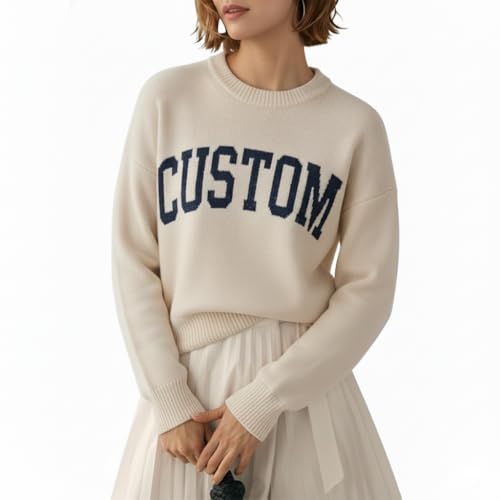
This book takes the mystery out of garment design by teaching you how to build a sweater from the top-down or bottom-up. It is perfect for the knitter who has mastered basic scarves and hats and is ready to tackle their first garment.
The strength of this workbook is its focus on customization, such as adjusting sleeve length or neckline depth. It forces you to consider the "drape"—how the fabric hangs—which is vital when choosing between a heavy wool or a lightweight cotton.
Don’t be afraid to swatch extensively before starting; your gauge is the foundation of the entire design. This is the best starting point for a knitter who wants to move beyond following patterns and into the world of design.
AlterKnit Stitch Dictionary for Creative Ideas

If you find yourself bored with plain stockinette, this dictionary is a goldmine of inspiration. It provides hundreds of colorwork charts that can be dropped into almost any basic sweater or hat pattern.
The key here is understanding color dominance and how different fibers behave when stranded together. You will learn to manage floats—the yarn carried across the back of the work—to ensure your fabric remains stretchy and comfortable.
Don’t feel pressured to use the most complex charts immediately. Start by incorporating a simple motif into a cuff or hem to get a feel for the rhythm of the color changes.
How to Choose a Pattern Workbook for Your Skill
Choosing the right book depends entirely on your current frustration level. If you are tired of patterns that don’t fit, prioritize a design-based workbook; if you are tired of messy edges, prioritize a technique-focused dictionary.
Consider your learning style: do you prefer step-by-step photos, or do you enjoy deciphering written charts? A visual learner will struggle with a text-heavy book, while an analytical knitter will find photos distracting.
Always look for a book that bridges the gap between where you are and where you want to be. Don’t buy a book for the projects you wish you could knit; buy the one that teaches you the skills to get there.
Essential Tools for Planning Your Next Project
Planning is 90% of a successful project, and it starts with the right tools. Beyond your needles and yarn, you need a reliable flexible tape measure, a digital scale for weighing yarn, and a dedicated notebook for tracking your gauge swatches.
- Needle Gauge: Essential for identifying mystery needles in your stash.
- Stitch Markers: Use locking markers for counting rows and fixed rings for pattern repeats.
- Blocking Mats: A must for evening out stitches and setting the final size of your garment.
Never underestimate the power of a good swatch. It is the only way to know if your chosen needle size and yarn will produce the fabric you envision.
Translating Workbook Patterns to Your Own Yarn
Swapping yarn in a pattern is a common practice, but it requires understanding the weight and fiber content of your substitute. If a pattern calls for a wool-alpaca blend and you choose 100% cotton, the drape and weight will be drastically different.
Check the WPI (wraps per inch) of your yarn to ensure it matches the suggested weight of the original yarn. If your substitute is slightly thinner, you may need to go down a needle size to maintain the intended fabric density.
Always knit a swatch with your chosen yarn before committing to the full project. It is far better to spend two hours swatching than to spend forty hours knitting a sweater that doesn’t fit.
Tips for Customizing Fit in Published Patterns
Customizing a pattern is about knowing where to add or subtract stitches without ruining the structural design. A common mistake is adding width to the body without adjusting the armhole depth, which leads to a baggy, uncomfortable fit.
Focus on the "ease"—the difference between the garment measurement and your body measurement. If you prefer a fitted look, aim for 1-2 inches of positive ease; for a cozy, oversized sweater, aim for 4-6 inches.
Keep a record of your modifications for every project. This creates a personalized "fit profile" that will make every subsequent sweater easier to customize.
Investing in a quality pattern workbook is truly an investment in your own creative potential. By understanding the mechanics of your craft, you transition from simply following instructions to becoming an architect of your own wardrobe. Take your time to explore these resources, and remember that every mistake is just a lesson in disguise. Happy knitting, and may your gauge always be spot on.