6 Best Grip Additives For Non-Slip Soles To Try
Stop slipping with our top 6 grip additives for non-slip soles. Discover the best products to improve your traction today and walk with total confidence.
Slipping on freshly waxed hardwood floors in a pair of hand-knitted wool socks is a rite of passage every knitter eventually faces. While natural fibers like merino or highland wool provide unmatched warmth and stitch definition, they lack the inherent traction required for safe movement around the home. Applying a grip additive is the final step in finishing a pair of footwear, transforming a delicate knit into a functional, non-slip accessory. Choosing the right solution depends on the intended use, the fiber content of the yarn, and the desired aesthetic of the finished sole.
Plaid Slipper Gripper: Best for Easy Application


Plaid Slipper Gripper is designed for those who want a quick, clean solution without the hassle of brushes or complicated prep work. It typically comes in a squeeze bottle with a precision tip, allowing for consistent dot application on the bottom of finished socks.
This product is ideal for beginners or those working on urgent gift projects. Because it dries relatively fast, the time between finishing the bind-off and wearing the socks is kept to a minimum.
Consistency is key when using this applicator. If the dots are applied too thinly, they may peel off after a few wears, especially on high-friction areas like the heel or ball of the foot.
Regia ABS Latex: The Classic German Solution
Regia ABS Latex remains the gold standard in the knitting world for good reason. It is specifically formulated for wool fibers, ensuring that the latex bonds effectively to the twist of the yarn rather than just sitting on top of the surface.
This product is highly recommended for socks made from durable, superwash wool blends. Because these yarns are often used for everyday wear, the grip needs to withstand both foot traffic and the occasional machine wash.

Applying this requires a steady hand, as the consistency is somewhat runny. Utilizing a template or a piece of cardboard inside the sock helps maintain an even shape and prevents the latex from soaking through to the upper foot.
Sugru Mouldable Glue: For Ultimate Custom Grip
Sugru is a unique silicone-based adhesive that acts like playdough before curing into a durable, rubbery grip. It offers the most tactile and heavy-duty traction of any method on this list.
For knitters who prioritize stability, such as those walking on slick laminate or stone, Sugru allows for the creation of thick, raised treads. It is also excellent for repairing worn-out areas on previously used slippers.
While highly effective, it does add significant weight to the sole of the sock. Avoid using it on very fine gauge projects, as the heft may distort the fabric or make the footwear feel cumbersome.
Plasti Dip Spray: The Heavy-Duty Gripper Option
Plasti Dip is a rubberized coating spray usually found in hardware stores that provides a completely uniform, industrial-grade non-slip surface. It creates a continuous film rather than individual dots, which is perfect for full-coverage traction.
Using a spray requires proper ventilation and masking off the areas of the sock that should remain breathable. If the spray is applied too heavily, the sole can become rigid, losing the flexible, cozy feel of the hand-knitted fabric.
This option is best suited for heavy wool or felted slippers that see outdoor or patio use. It effectively turns a soft sock into a sturdy, boot-like piece of footwear.
Pébéo Setaskrib+: Best for Colorful, Fun Designs
Pébéo Setaskrib+ is a fabric paint specifically formulated to provide grip once dried. Unlike latex, which is usually only available in clear or black, this product comes in a variety of vibrant colors.
This is the preferred choice for children’s socks or whimsical gift items where the design is as important as the function. Because it is essentially a high-pigment puff paint, it maintains excellent flexibility on the fabric surface.
The trade-off is durability. While great for indoor play, it will not outlast specialized latex or rubber-based products over long-term, heavy-duty use.
Sew-On Suede Soles: The Most Durable Choice
Sew-on leather or suede soles are the most professional way to finish high-end handmade footwear. By attaching a physical barrier between the yarn and the floor, these soles protect the delicate stitches from abrasion and friction.
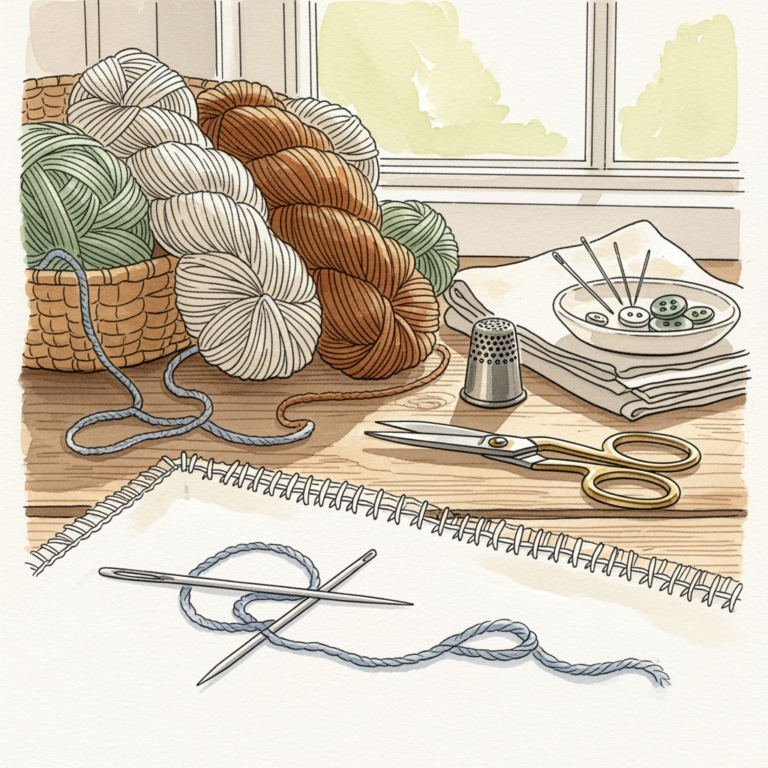
Attaching them requires a tapestry needle and a strong, non-stretchy thread, such as a waxed polyester cord. The edges should be whip-stitched securely, ensuring the tension is balanced so the leather does not pucker the knit fabric.
This method adds a sophisticated, artisan look to any project. It is particularly effective for heavy-weight or worsted-weight wool slippers that are intended to last for years rather than months.
How to Apply Liquid Grippers for Best Results
Preparation is the most important factor in ensuring long-term adhesion. Before applying any liquid or spray, ensure the knitted surface is clean, dry, and free of lint or stray fibers that could prevent the product from bonding to the yarn.
Always insert a piece of firm cardboard inside the sock to create a flat, taut surface. This prevents the liquid from bleeding through to the inside of the sock and ensures the grip dots are uniform in shape.
Once applied, give the product ample time to cure. While the label may suggest a few hours, waiting at least 24 to 48 hours is standard practice to ensure the interior of the latex or paint is fully set before subjecting it to stress.
Washing & Caring for Your Non-Slip Slippers
Hand-washing is strongly recommended for socks with grip additives. Even if the yarn is machine washable, the agitation of a washing machine can cause latex dots to loosen or peel prematurely.
When cleaning, use a mild wool wash and lukewarm water. Gently squeeze the soap through the fabric, avoiding intense scrubbing or twisting of the grip areas, which can break the bond between the adhesive and the yarn.
Air-dry all slippers flat and away from direct heat sources. Heat can degrade the chemical composition of many latex and rubber-based grippers, leading to cracking or loss of stickiness over time.
A Note on Safety: Latex Allergies and Fumes
Many liquid grippers are based on natural or synthetic latex. If there is a known latex allergy in the household, always verify the ingredients list before application, as particles can shed or flake off onto carpets and floors.
Work in a well-ventilated area, especially when using aerosolized products like Plasti Dip. Fumes can be overwhelming in a small space, and proper air circulation is essential for the health of the knitter during the finishing process.
If applying to slippers for small children or pets, ensure the product is labeled as non-toxic. Items placed on the feet are frequently touched by hands, and residues should be safe for accidental contact with the skin or mouth.
Paint vs. Latex vs. Sew-On: Which Is For You?
Choosing between these options comes down to the intended purpose of the project. If the priority is speed and ease of use, liquid latex or squeeze-bottle grip paints are the most logical starting point.
For those crafting heirloom-quality slippers that will be worn for years, sew-on suede soles offer unmatched longevity and aesthetic appeal. They protect the fiber from the ground up, effectively doubling the lifespan of the work.
Ultimately, consider the weight and density of the knitting. Finer gauge socks may benefit from light latex dots, while heavy, thick-yarn slippers are best served by the structural support of leather soles.
Properly applied grip additives are the difference between a decorative item and a truly functional piece of home footwear. By choosing the right material for the fiber and the intended use, any knitter can ensure their work is as safe as it is comfortable.