6 Best Metal Polishes For Restoring Antique Brass
Restore your vintage decor to its original shine with our guide to the 6 best metal polishes for restoring antique brass. Click here to choose your ideal brand.
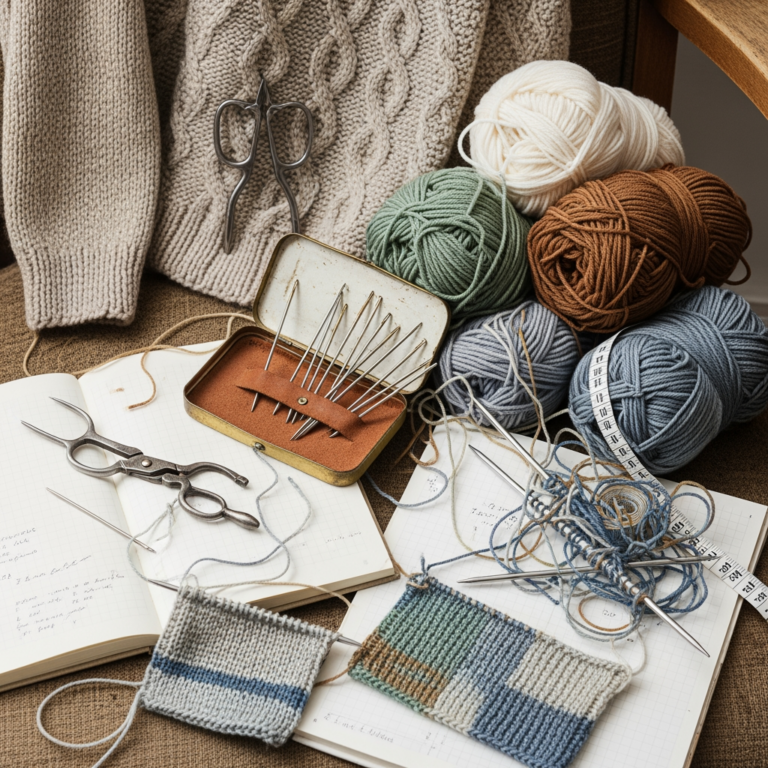
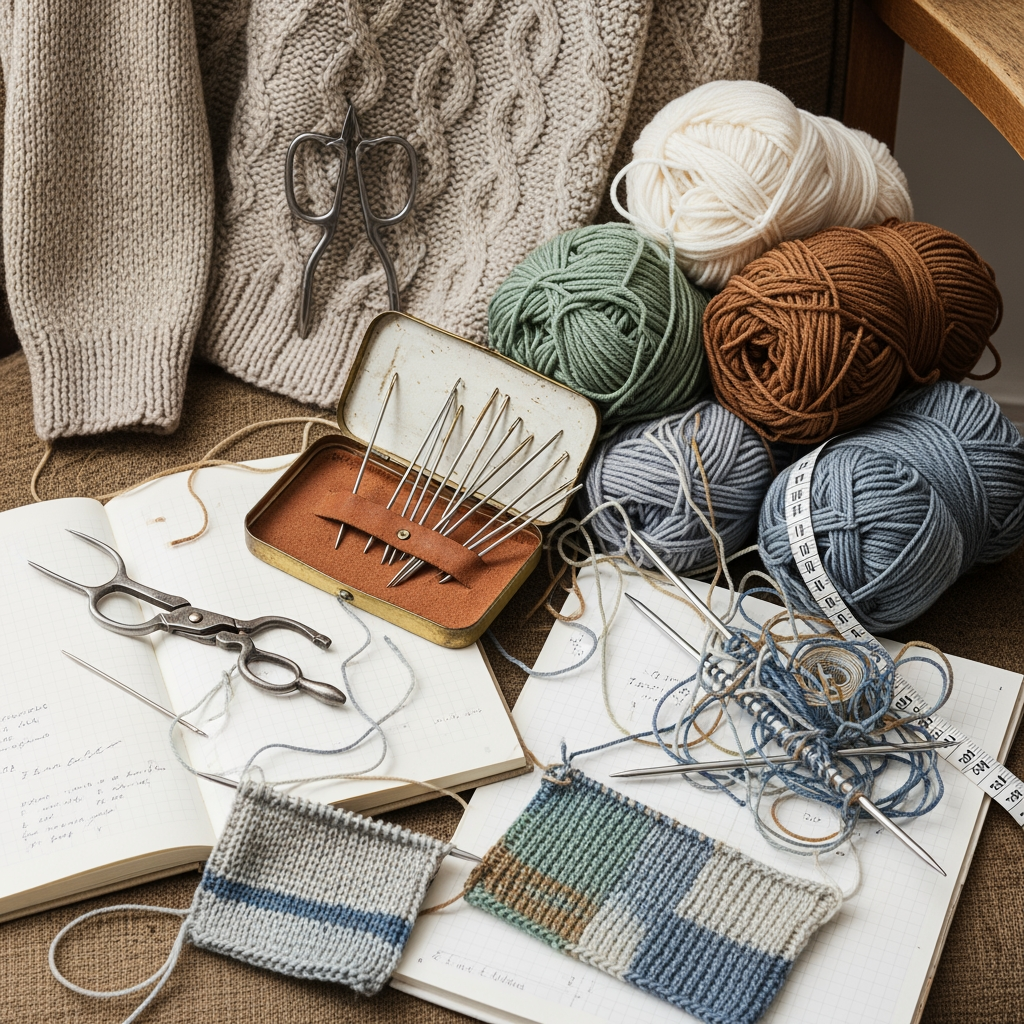
Antique brass tools often hold a secret history, tucked away in vintage sewing kits or inherited from generations of makers. Whether it is a set of ornate brass needle gauges or a heirloom wool winder, these pieces serve as both functional instruments and cherished reminders of the craft. Over time, exposure to air and oils from hands can cause tarnish, dulling the luster that makes these tools so special. Restoring their original gleam requires the right approach to ensure the delicate metal surfaces remain unharmed for future projects.
Brasso Multi-Purpose Metal Polish: Best Classic


Brasso is the household name that many knitters encounter first when inherited heirloom tools emerge from long storage. It functions by using a mild abrasive action to strip away surface oxidation and restore a bright, golden finish.
For items like brass swift components or heavy-duty needle holders, this formula is highly effective at cutting through stubborn, dark tarnish. Its liquid consistency allows for easy application across large, flat surfaces, though it requires a steady hand to avoid drips.
Be aware that the strong scent can be overwhelming in a small crafting room. Always use this product in a well-ventilated area, and ensure every trace is wiped clean before handling delicate wool or mohair yarns.
Simichrome All Metal Polish: Collector’s Choice
Simichrome has earned a reputation among collectors of vintage knitting ephemera for its incredible ability to coax brilliance out of neglected brass. It is a paste-based polish, which provides far more control than liquid versions when working on small, intricate details like embossed needle caps or ornate brass crochet hooks.
Because it leaves behind a microscopic protective film, it acts as a barrier against future oxidation. This is particularly beneficial if those antique tools are kept in an open basket where they are frequently exposed to humidity.
The application process is simple: apply a tiny amount with a soft cloth, buff until the tarnish transfers to the rag, and then polish to a high mirror finish. It is highly concentrated, meaning a single tube will last through years of tool maintenance.
Flitz Metal Polish: The Most Versatile Option

Flitz stands out because it is non-toxic and acid-free, making it a safer choice for someone who prefers to avoid harsh chemicals near their stash of luxury fibers. It performs exceptionally well on various metal types, so it can restore the brass hinges on a yarn swift and the stainless steel screws of a knitting machine in one go.
This polish is unique for its ability to remove heat discoloration and oxidation without leaving behind a gritty residue. For a knitter working with delicate lace-weight fibers, having a residue-free tool is paramount to prevent snagging or discoloration during the knitting process.
If the brass piece has intricate filigree work, the cream consistency stays put exactly where it is applied. It is the ideal “all-rounder” for a knitter who wants one reliable bottle to handle a diverse range of vintage equipment.
Wright’s Brass Cream: Best for Stubborn Tarnish
When an antique brass tool has been neglected for decades, light polishes may not be enough to reach the base metal. Wright’s Brass Cream is formulated specifically to tackle heavy-duty tarnish while remaining gentle on the underlying material.
It is particularly effective for large, stationary tools like heavy yarn winders that have developed a thick, dark patina over time. The creamy texture allows for a deep clean without requiring excessive physical pressure, which protects the integrity of the vintage brass.
It rinses off easily with water, which is a major advantage for tools that cannot be fully disassembled. Just ensure the tool is completely bone-dry before allowing it to touch your yarn again to prevent any moisture-related damage to natural fibers.
Nevr-Dull Wadding Polish: Easiest Application
Nevr-Dull takes the guesswork out of the process by providing cotton wadding that is pre-soaked in the cleaning agent. There is no measuring, no pouring, and absolutely no risk of spilling liquid polish onto a prized hand-dyed skein of yarn.
For the knitter who feels intimidated by the idea of using chemicals, this is the most user-friendly approach available. Simply tear off a piece of the wadding, rub the brass until the tarnish lifts, and follow up with a clean, dry cloth to buff it to a shine.
While it is excellent for maintenance and light tarnish, it lacks the heavy-duty cutting power of a cream or liquid. It is the perfect choice for keeping your frequently used brass needle gauges bright throughout the season.
Blue Magic Polish: Best for Long-Lasting Shine
Blue Magic is a powerhouse for those who want their brass tools to stay polished for as long as possible. It works by creating a lasting, weather-resistant sealant that keeps the brass looking fresh even if the tools are stored in a non-climate-controlled space.
This product is particularly appreciated by knitters who live in humid environments where brass tends to tarnish rapidly. The shine it produces is deep and professional, often making antique tools look as though they were just pulled from the box.
Because it is a bit more aggressive than the others on this list, save this for heavy-duty brass items rather than delicate or plated jewelry-style tools. When used correctly, it provides a mirror-like finish that can last for months without additional upkeep.
Patina vs. Tarnish: What to Know Before Polishing
Not every darkening on a piece of brass is “tarnish” that needs to be removed. Many antique collectors value a natural patina—that soft, aged glow that develops over decades—as it adds character and proof of a tool’s history.
- Tarnish: Appears as uneven, spotty, or dark black/green layers that can feel sticky or gritty.
- Patina: Appears as a uniform, warm, brownish-gold tone that highlights the details of the casting or engraving.
If an item is a rare heirloom, consider leaving the patina intact, as over-polishing can diminish its collector value. Only reach for the polish if the grime is actively interfering with the tool’s function or staining the yarn you are currently knitting.
How to Safely Polish Your Vintage Fiber Tools
Safety begins with identifying whether the tool is solid brass or merely brass-plated. Solid brass can be polished repeatedly, but plated items have a very thin layer of metal that can be worn away if you are too aggressive with abrasive cleaners.
Before applying any product, test a small, inconspicuous spot on the back or bottom of the tool. If the color changes or the plating starts to flake, stop immediately and use only a soft, dry cloth for maintenance.
Always work on a protected surface—do not polish your tools directly over your knitting bags or open boxes of fiber. Even a small drop of polish can permanently ruin a delicate silk or wool yarn, so maintain a strict physical separation between the cleaning station and the project bag.
Polishing Delicate Items: A Step-by-Step Guide
- Preparation: Clear your workspace and ensure you have a clean, lint-free cloth and your chosen polish.
- Application: Apply a very small amount of polish to the cloth, not directly to the metal, to avoid getting excess product into nooks and crannies.
- The Gentle Buff: Work in small circular motions, applying light pressure. Focus on one small section at a time rather than rushing over the entire piece.
- Removal: Use a secondary, perfectly clean cloth to wipe away the residue immediately. If the cloth turns black, the polish is working; keep switching to clean sections of the cloth.
- Inspection: Check for any remaining residue in intricate areas, as leftover polish can become gummy and abrasive over time.
Keeping Your Brass Bright: Aftercare and Tips
Consistency is the secret to minimal work. If you wipe down your brass needle gauges or crochet hooks with a clean, soft cloth after every session, you will rarely need to perform a deep polish.
Store your brass tools in a dry, low-humidity environment whenever possible. Using silica gel packets in your project boxes or tool chests can help absorb the moisture that causes rapid tarnishing.
Finally, remember that the goal is to keep the tool functional and beautiful for your knitting. If a tool is cleaned, loved, and used, it is fulfilling its purpose regardless of whether it maintains a blinding, factory-new shine.
Restoring your vintage brass tools is a rewarding task that bridges the gap between the history of the craft and the projects you are creating today. With these polishes and proper care, those heirloom pieces will continue to serve you for many more years of knitting.