6 Best Mailing Labels For Handmade Gift Packaging
Elevate your brand with these 6 best mailing labels for handmade gift packaging. Choose the perfect durable, stylish option for your shipments and shop now.
A beautifully hand-knit sweater deserves packaging that reflects the same level of care invested in the stitches. Whether sending a commissioned lace shawl or gifting a pair of hand-dyed wool socks, the mailing label acts as the final touch on a fiber arts project. Selecting the right adhesive and finish ensures your package arrives as pristine as it left the craft room. Choosing a professional, durable label elevates the presentation of handmade goods from a hobbyist gesture to a polished, artisan experience.
Avery Printable Labels: Best for Custom Designs
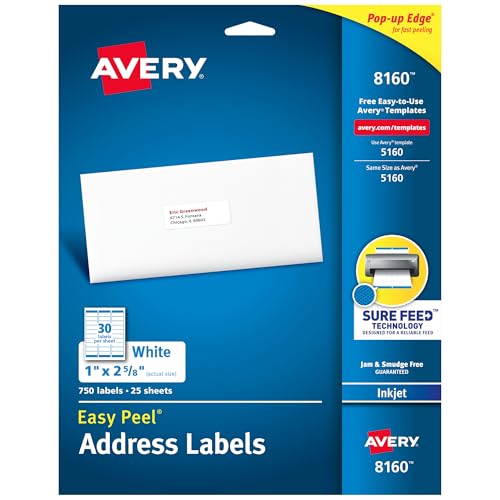

Avery labels remain the industry standard for those who appreciate variety and accessibility. For a knitter experimenting with branding for a small stash-clearance shop or a burgeoning pattern business, these offer the most flexibility. They are compatible with almost any standard home inkjet or laser printer, making the transition from digital design to physical package nearly instantaneous.
The primary benefit lies in the sheer volume of templates available online. If the goal is to include specific fiber content, care instructions—like “hand wash cold, lay flat to dry”—or a personalized note about the yarn’s source, these templates simplify the formatting process. Just ensure the printer settings match the label sheet size to avoid smudged text or misaligned edges.
One common tradeoff involves the paper quality, which can feel thin compared to specialty stocks. When applying these to bulky packages or bubble mailers, consider pressing them firmly to ensure the adhesive takes hold across uneven surfaces. Use them when the budget is tight and the need for frequent, small-batch updates to label information is high.
MOO Rectangle Stickers: Best Premium Feel

High-end presentation matters when shipping heirloom-quality garments, such as intricate stranded colorwork or delicate mohair accessories. MOO stickers are defined by their superior print quality and substantial, weighted paper feel. This tactile experience mimics the luxury of high-twist merino or hand-dyed silk, signaling to the recipient that the contents inside are special.
These labels are often chosen by makers who prioritize aesthetics above all else. The matte finish resists glare, making the text easily readable even under harsh shipping center lights. However, the premium cost means they are better suited for final delivery to a special client rather than general supply shipping.
Be mindful that these stickers are not always designed for heavy-duty industrial shipping requirements. They are best reserved for clean, smooth-surfaced boxes or rigid mailers. If the package is prone to moisture—like a parcel sitting on a damp porch—the finish holds up well, but the adhesive may not be as aggressive as dedicated shipping-grade alternatives.
Dymo LabelWriter 4XL: Best for High Volume
Efficiency becomes the priority once a fiber hobby transitions into a consistent shop workflow. The Dymo LabelWriter 4XL utilizes thermal printing technology, meaning there is no ink or toner to manage. This is a game-changer for someone spending more time printing labels than blocking finished squares.
The speed is unmatched, churning out large 4×6 inch shipping labels in seconds. Because it uses direct thermal heat, the print quality is consistently sharp, ensuring that barcodes scan without a hitch at the post office. It removes the risk of a printer running out of ink halfway through a batch of ten parcels.
The tradeoff is the lack of color, as all labels will be stark black and white. It is a strictly functional, workhorse solution rather than a decorative one. For the high-volume knitter, the time saved on maintenance and ink costs far outweighs the inability to add a splash of color to the label.
Cricut Sticker Paper: Best for Cricut Crafters
Many knitters are also paper crafters who already own a Cricut machine to create custom yarn tags or project organizers. Using Cricut-brand sticker paper allows for complete control over the shape and size of the label. Instead of standard rectangles, labels can be die-cut into shapes—perhaps a yarn ball or a sheep icon—to match a specific brand identity.
This choice is ideal for those who value customization and have the patience to troubleshoot print-and-cut calibration. It allows the label to act as a secondary piece of branding, reinforcing the artisan nature of the handmade item inside. It is essentially a creative extension of the craft itself.
The downside is the labor involved. Printing and cutting requires more setup time than a thermal printer, and the labels are not pre-sized for standard shipping requirements. Only use this approach if the goal is to make the packaging look as “handmade” as the garment, rather than aiming for industrial-grade shipping efficiency.
Rollo Thermal Printer: Top Etsy Seller Choice
The Rollo printer is a favorite among independent makers who sell through online platforms like Etsy. It handles thermal labels with a level of reliability that makes standard inkjet printers look temperamental by comparison. It is widely compatible with multiple shipping platforms, seamlessly pulling address data directly from orders.
This printer is small, sturdy, and requires zero specialized software knowledge. It is a “plug and play” solution that fits neatly on a workspace already cluttered with knitting needles, yarn swifts, and project bags. The print quality is crisp, and the machine is built to survive years of daily use.
Unlike more complex printers, it does not offer wireless printing as a native feature on all base models, which might be a factor if the workspace is cramped. However, for sheer reliability and cost-per-label, it remains the gold standard for those scaling up their fiber arts businesses. It is an investment that effectively pays for itself by preventing label-printing headaches.
Kraft Sticker Labels: Best for Rustic Packaging
The aesthetic of the packaging should ideally match the fiber used. For projects made with earthy, rustic wools or natural, undyed fibers, kraft paper labels are the perfect complement. Their brown, organic texture feels honest and grounded, fitting the “slow fashion” ethos that many knitters hold dear.
These labels can be sourced in various sizes and are often compatible with standard home printers. The muted background means that vibrant colors might not pop, but classic black ink provides a high-contrast, clean look. They pair exceptionally well with twine, recycled paper wrap, and linen garment bags.
Be aware that the paper surface of kraft labels can be porous. If printing, ensure the printer settings are adjusted for heavy paper to prevent bleeding or blurred edges. They are a stylistic choice that signals quality and care without feeling overly corporate or mass-produced.
How to Choose the Right Mailing Label for You
The decision rests on three main pillars: volume, branding, and hardware availability. If the shipping volume is low—one or two packages a month—a simple printable label sheet from a local office store is more than sufficient. There is no reason to invest in expensive thermal hardware if the output frequency does not justify the cost.
For those scaling their business, prioritize hardware that reduces manual labor. A thermal printer is an essential piece of equipment if you are shipping more than five packages a week. It eliminates the frustration of drying ink and the constant cost of replacing cartridges, allowing you to focus on the knitting.
Finally, consider the “unboxing” experience. If the package includes a hand-knit heirloom, a high-quality, premium sticker adds a layer of professional polish. If the brand is rooted in rustic, eco-conscious values, opt for recycled or kraft materials. Aligning the label with the project’s character creates a cohesive brand experience from the moment the package arrives.
Thermal vs. Inkjet Labels: A Cost Breakdown
Thermal labels are the clear winner for cost-per-unit, as they require no ink, toner, or ribbon. While the initial investment in a thermal printer is higher, the recurring costs are significantly lower. Over the course of a year, the savings on ink cartridges for an inkjet printer often cover the entire cost of a basic thermal unit.
Inkjet labels provide the benefit of color, which can be useful for those who want to use branded colors or complex logos on their packaging. However, inkjet ink is notoriously expensive and prone to smearing if the label gets wet. A rainy day can lead to an unreadable address, which is a risk most knitters would prefer to avoid.
If the priority is speed, durability, and long-term cost, choose thermal. If the priority is color variety and the ability to print occasional high-resolution graphics, stick with inkjet. Most fiber artists eventually gravitate toward thermal systems once their shipping volume becomes consistent.
Designing Labels That Reflect Your Handmade Brand
Designing a label is an extension of the creative process. Incorporate brand elements that speak to your niche—whether that is minimalism, bright colors, or a focus on natural fibers. Keep the text clean and legible, as the primary purpose of a shipping label is to ensure successful delivery.
Always include essential information such as return addresses and clear shipping instructions. If you ship international, ensure there is space for customs information. Many knitters find that adding a small, simple logo or a personal tag like “Hand-knit in [Your City]” builds a connection with the buyer that a generic shipping label never could.
Remember that less is often more. A clean, balanced design with clear typography is far more professional than a cluttered label with too many graphic elements. Use a design tool to create a template that can be saved and reused, ensuring consistency across every single parcel sent.
Pro Tips for Applying Labels to Your Packages
Application is often overlooked, but it is critical to ensure the label stays attached. Surfaces must be clean, dry, and free of dust before application. If using a recycled cardboard box, ensure the flaps are secure and the surface is as flat as possible to prevent the label from peeling at the edges.
When wrapping a package in paper, apply the label to a flat, solid area rather than a seam. A label that spans a gap between two surfaces is prone to tearing as the package moves during transit. For bubble mailers, press the label firmly with the palm of your hand to ensure complete contact with the plastic surface.
Finally, always have a roll of clear packing tape on hand as a backup. If the label adhesive feels weak or the package surface is textured or porous, a single strip of tape over the address—ensuring it remains clear for scanning—acts as an insurance policy. A secure label is the final assurance that your hard-earned knitting reaches its destination safely.
Selecting the right mailing label is an essential step in transitioning from a craft enthusiast to a professional maker. By choosing materials that reflect the quality of your yarn and the intention behind your stitches, you ensure the entire experience—from the first loop to the final delivery—remains a reflection of your dedication. Align your shipping process with your brand’s values to create a lasting impression with every package sent.