7 Best Fabric Stiffeners For Decorative Ornaments
Discover the top 7 fabric stiffeners for ornaments. This guide compares performance, drying times, and finishes to help you achieve the perfect professional look.
Creating heirloom-quality ornaments requires more than just a perfect gauge and clean finishing; it demands the right structure to hold those delicate shapes against the test of time. Whether you are preserving a lace snowflake or a miniature knitted stocking, the stiffener you choose dictates how your piece hangs and how it ages. After decades at the knitting table, I have learned that the "perfect" stiffener is always a balance between the fiber content of your yarn and the level of rigidity you desire. This guide will help you navigate the shelf so your hard work stays crisp and beautiful for years to come.
Aleene’s Stiffen-Quik: Best Overall Choice


When you need a reliable, do-it-all solution that won’t yellow your delicate wool or cotton, this is the industry standard. It is a pump-spray formula that penetrates deep into the plies of your yarn without creating a crusty, plastic-like surface.
It is particularly effective for those intricate, stranded colorwork ornaments that need to hold a specific geometry. Because it dries clear and remains flexible, it prevents that brittle snapping sensation you get with cheaper, overly-stiff sprays.
However, keep in mind that it is water-based. If you are working with a superwash wool—which is notorious for growing when wet—ensure you have pinned your ornament to the exact dimensions before spraying, as the moisture will cause the fibers to relax temporarily.
Mod Podge Fabric: Great for Delicate Lace
Mod Podge Fabric is a dream for those fine-gauge lace ornaments that need to look like they were carved from marble. Unlike the standard craft glue, this formula is specifically designed to remain pliable, which is critical if your ornament needs to withstand being packed away in a box each December.
To get the best results, I recommend thinning it slightly with a touch of water. You want to brush it onto your piece, ensuring it saturates the stitches completely, then blot away any excess to avoid a cloudy finish in the gaps of your lace.
This is my go-to when I am working with mercerized cotton threads, as the starch-like finish highlights the stitch definition beautifully. Just be careful not to over-apply, or you will lose the soft, fibrous character of the yarn entirely.
Elmer’s CraftBond: Best Budget-Friendly Pick
If you are mass-producing ornaments for a craft fair or a large tree, you don’t need a boutique solution. Elmer’s CraftBond is essentially a high-quality white glue that dries clear and provides a very rigid, structural hold.
It is best suited for thicker, worsted-weight yarn ornaments where the structure depends on a strong, unyielding bond. Because it is quite thick, you will want to dilute it significantly—think a 1:1 ratio with water—to ensure it doesn’t leave visible white residue in your purl bumps.
The trade-off here is the finish; it is definitely more "stiff" than "natural." If you want your ornament to feel like a soft, knitted item, this might be too aggressive, but for structural shapes like stars or bells, it is hard to beat for the price.
Plaid Stiffy: Ideal for Heavy Ornament Shapes
Sometimes a project requires more than just a light coating; it needs a heavy-duty resin-like hold. Plaid Stiffy is a thicker liquid that acts more like a permanent setting agent, making it the top choice for 3D ornaments that need to stand upright without collapsing.
I often use this for felted ornaments that have lost their shape or need an extra boost of rigidity to maintain a crisp edge. It creates a very firm, durable shell that can withstand a fair amount of handling.
Be aware that this product is not meant for subtle shaping. If you apply this to a fine lace snowflake, you will likely end up with a heavy, plastic-like disc rather than a delicate fiber art piece.
Krylon Crystal Clear: Best Spray for Finish

Sometimes you don’t need to stiffen the fiber itself, but rather seal a finished, shaped piece to protect it from dust and humidity. Krylon Crystal Clear provides a protective barrier that keeps your yarn looking pristine, especially if you have used light-colored or white wool that tends to attract grime.
This is a solvent-based spray, which means it doesn’t introduce water to your project. This is a massive advantage if you are working with fibers that shrink or felt easily, as you can spray it onto a dry, already-shaped ornament without risking any distortion.
Always use this in a well-ventilated area, and apply it in very light, sweeping passes. If you spray too heavily, you risk creating a tacky, uneven surface that will ruin the texture of your knitting.
Wilton Meringue Powder: Best Natural Starch

For the traditionalist, nothing beats a classic starch solution made from meringue powder or cornstarch. It provides a crisp, vintage feel that is completely non-toxic and easy to wash out if you ever decide to re-block your project.
To make it, whisk a small amount of powder into hot water until it is clear and slightly thickened. Dip your ornament, squeeze out the excess, and pin it to your blocking board.
The downside is that this is a food-based product, which means it can attract pests if stored in a humid attic. Only use this if you plan to display your ornaments in a clean, climate-controlled environment.
Aileen’s Fabric Stiffening Spray: Easy Use

This spray is the ultimate convenience tool for the knitter who wants to finish their projects quickly. It offers a medium-strength hold that works well for the majority of knitted ornaments, from simple garter stitch hearts to complex lace motifs.
Because it is a fine mist, it is very easy to control the level of stiffness by layering the applications. I suggest spraying, letting it dry for an hour, and checking the drape before deciding if it needs a second coat.
It’s an excellent choice for beginners who are afraid of the "glue-and-water" mess. It is clean, predictable, and gives you a professional-looking finish with almost zero learning curve.
How to Choose the Right Stiffener for Your Fiber
Choosing the right stiffener depends entirely on your yarn’s "memory" and fiber content. You must account for how the yarn reacts to moisture and how much weight it can carry.
- Cotton/Linen: These fibers love starch and glue-based stiffeners. They are robust and hold their shape well once the agent dries.
- Wool/Animal Fibers: Use caution. These fibers are sensitive to moisture and can felt or grow. Stick to light sprays rather than full-submersion dips.
- Synthetics: These fibers are slippery and often reject starch. Use a resin-based stiffener or a clear spray to ensure the product actually bonds to the strand.
Always perform a test on a small, leftover swatch before applying any product to your finished project. If the yarn changes color or texture in a way you dislike, stop immediately.
Essential Tips for Shaping Knitted Ornaments
Shaping is where the magic happens, but it requires patience. Never attempt to stiffen an ornament that hasn’t been properly blocked and dried first; the stiffener should be the final "lock" on the shape, not the tool used to create it.
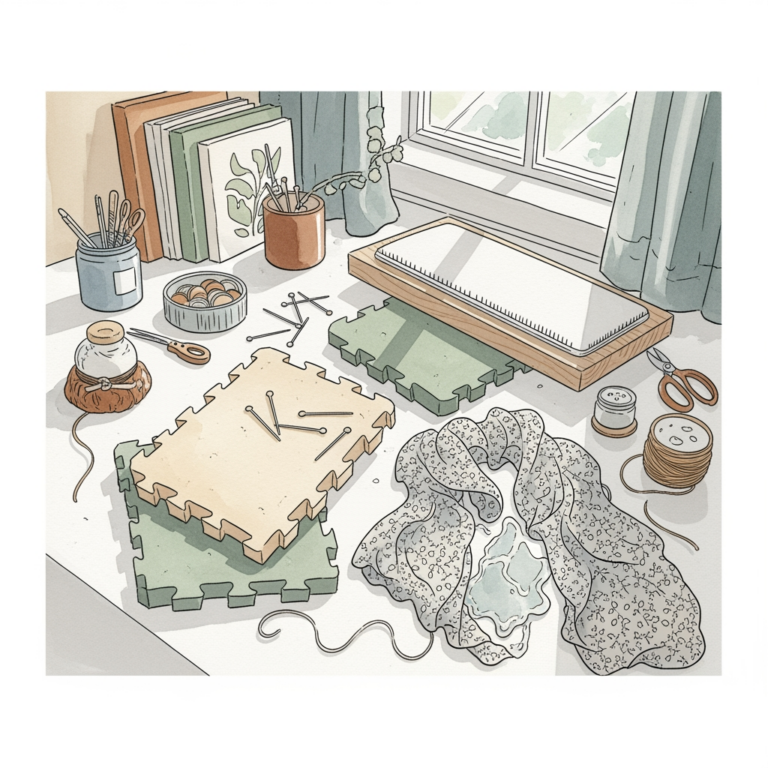
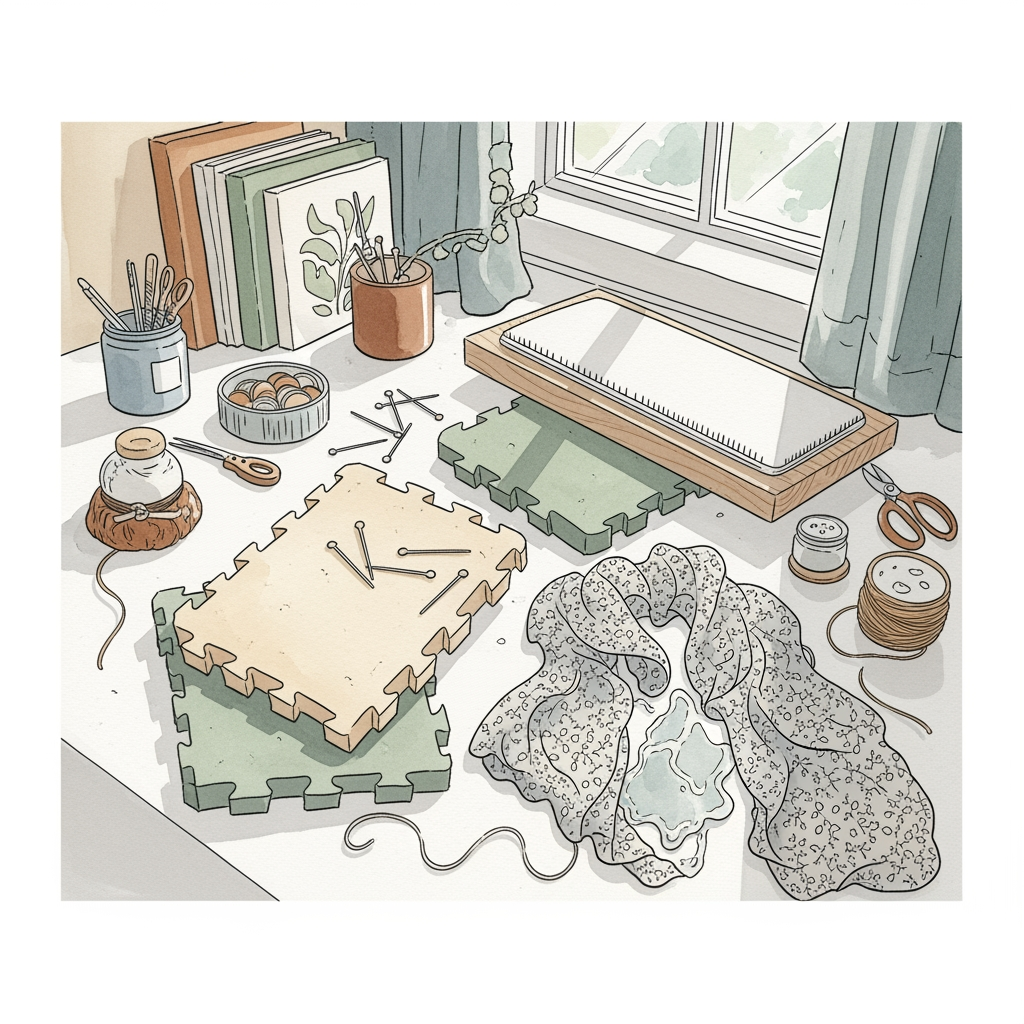
Use rust-proof stainless steel pins for blocking. If you use cheap pins, the moisture from the stiffener will cause them to rust, leaving permanent, unsightly orange stains on your beautiful yarn.

Work on a dedicated blocking board or a piece of high-density foam. This allows you to manipulate the stitches into the perfect geometry before the stiffening agent sets, ensuring your ornament is symmetrical and professional.
Troubleshooting Common Stiffening Mishaps
If you find your ornament has turned out too stiff, don’t panic. Most water-based stiffeners can be softened by gently steaming the piece over a tea kettle or re-wetting it with a damp cloth to reactivate the agent.
If you encounter white residue, it means your solution was too concentrated or you didn’t blot enough. You can usually remove this by dabbing the area with a warm, damp sponge; be gentle so you don’t pull the stitches out of alignment.
Finally, if your ornament feels "tacky" after 24 hours, it is likely in a room that is too humid. Move it to a dry, breezy area with good air circulation, and it should firm up as the remaining moisture evaporates.
Mastering the art of stiffening is just as important as mastering your tension or your bind-off technique. By choosing the right product for your specific fiber, you ensure that your knitted ornaments remain the beautiful, structural highlights of your holiday decor. Take your time, test your materials, and remember that every piece of fiber art benefits from a little bit of structural support. Happy knitting, and may your ornaments hang perfectly straight this season.