6 Best Thumb-Friendly Needle Grips for Ergonomic Comfort
Discover 6 ergonomic needle grips to reduce thumb strain. Learn how these techniques improve comfort and precision for pain-free, sustainable hand stitching.
Knitting is a labor of love, but the repetitive motion of working stitches can lead to significant thumb and wrist fatigue over long sessions. Finding the right ergonomic support is not just about comfort; it is about extending your longevity as a maker and preventing chronic strain. By selecting the right thumb-friendly grip, you can transform your knitting practice from a painful chore into a fluid, enjoyable rhythm. This guide breaks down the best tools to help you maintain your gauge while protecting your joints.
Clover Soft Touch Crochet Hook Ergonomic Grips


The Clover Soft Touch series is a classic for a reason, offering a lightweight profile that doesn’t feel bulky in the hand. These grips are designed with a flattened thumb rest that encourages a precise, pinch-style hold.
For those who struggle with the "death grip" on their needles, this shape is a game changer. It naturally guides your fingers into a relaxed position, preventing the tension that often travels from your hands up into your shoulders.
However, keep in mind that the grip is relatively slim compared to newer, oversized models. If you have larger hands or significant arthritis, you might find that you still need to supplement these with a secondary foam sleeve.
Addi Swing Ergonomic Crochet Hook Thumb Rests

Addi Swing hooks are engineered with a distinct, curved handle that conforms to the natural shape of the human palm. The thumb rest is positioned specifically to provide a leverage point, which is incredibly helpful when working with dense, non-elastic fibers like cotton.
When you are pulling yarn through tight stitches in a complex lace pattern, the ergonomic curve takes the pressure off your thumb joint. It allows your hand to stay in a neutral, relaxed arc rather than a forced pinch.
The trade-off here is the learning curve; the asymmetrical shape feels very different from a standard straight needle. It may take a few swatches before your muscle memory adjusts to the unique balance of the handle.
Tulip Etimo Red Ergonomic Hook Thumb Grips

The Tulip Etimo Red is widely considered the gold standard for tactile feedback and grip comfort. The soft, cushiony material has a slight tackiness that prevents your fingers from sliding, even if you tend to have clammy hands during intense knitting marathons.
The thumb rest is perfectly contoured, providing just enough resistance to keep your hook steady without requiring excess force. This is particularly beneficial when working with slippery, high-twist luxury yarns like silk or bamboo blends.
While these are premium tools, the investment is usually worth it for the reduction in repetitive strain. If you spend hours working on intricate colorwork, the difference in hand fatigue between these and a standard aluminum needle is palpable.
Boye Ergonomic Aluminum Crochet Hook Grips
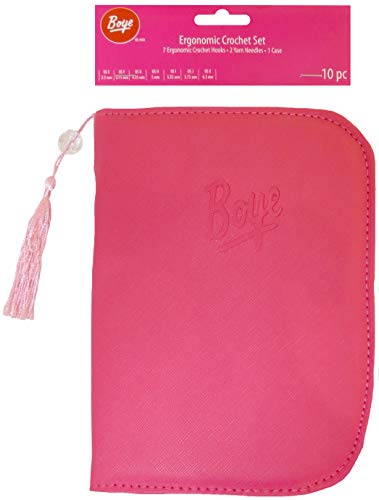
Boye grips are a fantastic, accessible entry point for knitters looking to add support to their existing tool kit. These are often sold as slide-on sleeves, meaning you can customize the thickness and placement to suit your specific grip style.
If you are a "tight knitter"—someone who consistently produces a smaller gauge than the pattern calls for—you likely exert more pressure on your needle. A thicker, squishier Boye-style sleeve can act as a shock absorber, softening the impact of every stitch you cast.
The downside is that these sleeves can sometimes migrate or twist during a long project. A small dab of hairspray or a tiny piece of double-sided tape inside the sleeve can keep them locked in place during heavy use.
Prym Ergonomic Knitting Needle Thumb Support

Prym has taken a unique approach by incorporating the ergonomic grip directly into the needle structure rather than as an add-on. Their needles feature a triangular shape that naturally invites a relaxed thumb placement.
This design is excellent for knitters who find that round needles constantly rotate in their hands. The flat sides provide a stable surface, which is a massive advantage when you are working on a heavy project like a wool-blend afghan that puts extra weight on your wrists.
Because the needle itself is synthetic, it offers a "middle of the road" glide. It isn’t as slick as nickel-plated steel, nor as grabby as bamboo, making it a versatile choice for most yarn types.
Susan Bates Soft Ergonomic Knitting Grips

Susan Bates is famous for their inline hook heads, and their ergonomic grips follow that same philosophy of functional, no-nonsense design. These grips are generally firmer than silicone alternatives, providing a solid, predictable surface for your thumb.
If you struggle with "needle fatigue"—that dull ache that sets in after an hour of knitting—the firmness of these grips can actually be beneficial. They provide a stable platform that doesn’t compress too much, allowing you to maintain consistent tension throughout your row.
They are particularly well-suited for beginners who are still learning how to manage their yarn tension. The firmness helps you "feel" the needle more clearly, which can help in developing a steady, rhythmic knitting pace.
How to Choose the Right Grip for Your Hand Size
Choosing the right grip is a matter of matching your hand anatomy to the tool’s geometry. If you have smaller hands, avoid overly large, bulbous grips, as they can actually increase strain by forcing your hand into an unnaturally wide, stretched-out position.
Conversely, if you have larger hands or limited dexterity, a thin, standard grip will force you to pinch too tightly. Look for grips that allow your hand to maintain a "C" shape, which is the most ergonomic position for prolonged work.
Always consider the weight of your project when selecting a grip. A heavy project in a dense wool yarn requires a more substantial, supportive grip than a delicate, lightweight lace project.
Reducing Thumb Strain During Long Knitting Sessions
The most effective way to reduce thumb strain is to vary your grip throughout the day. Even the most ergonomic needle will cause fatigue if you hold it in the exact same position for four hours straight.
Incorporate "knitting breaks" every 20 minutes where you drop your hands, shake out your wrists, and stretch your thumbs. Think of your knitting session like a workout; you wouldn’t lift weights for hours without a break, and your hands require the same level of care.
Also, check your posture. Often, thumb pain is actually referred pain from tension in your shoulders or neck. Keep your elbows tucked in and your shoulders down, and you’ll find that your hands don’t have to work nearly as hard.
Comparing Silicone vs Rubberized Needle Grips
Silicone grips are incredibly popular because they are soft, squishy, and offer a high level of "tack." They are ideal for knitters who struggle with dry skin or who find that metal needles slip out of their fingers too easily.
Rubberized grips, on the other hand, tend to be firmer and more durable. They don’t attract lint or dust as easily as silicone, and they provide a more stable, non-compressible surface that some knitters prefer for precision work.
If you are working with very sticky, high-friction yarns like mohair or unspun wool, a slicker rubberized grip may actually be better. Silicone can sometimes feel "too" grippy, making it harder to slide your stitches along the needle.
Maintaining Your Ergonomic Grips for Longevity
Ergonomic grips are prone to picking up skin oils, yarn fibers, and dust over time. A simple wipe-down with a damp cloth and a drop of mild dish soap will keep them tacky and clean.
Avoid using harsh chemicals or alcohol-based cleaners, as these can degrade the material and make the grips brittle or sticky in a bad way. If your grips start to feel gummy, it is usually a sign that the material is breaking down and it is time for a replacement.
Store your needles in a case that prevents the grips from being crushed or deformed. If you use slide-on sleeves, remove them occasionally to let the needle material breathe and to check for any moisture buildup underneath.
Investing in ergonomic grips is a proactive step toward ensuring that you can knit comfortably for decades to come. Whether you prefer the soft cushion of silicone or the firm stability of molded plastic, the best tool is the one that allows your hands to remain relaxed and tension-free. Remember that your needs may change as your projects evolve, so don’t be afraid to experiment with different styles. Happy knitting, and may your stitches always be even and your hands always pain-free.