7 Best Garment Measuring Tapes For Fit Accuracy
Achieve perfect tailoring with our top 7 garment measuring tapes. Discover durable, precise tools essential for ensuring accurate fits in every sewing project.
Achieving the perfect fit in a hand-knit garment starts long before you pick up your needles. While we often obsess over gauge swatches and fiber content, the humble measuring tape is the true unsung hero of a well-fitting sweater. A precise measurement is the difference between a garment you wear with pride and one that stays buried in your project basket. Here are the tools I trust to ensure your hard work translates into a professional-grade fit.
Singer Professional Retractable Tape: Best Overall


The Singer Professional Retractable tape is a staple in my notions bag because it balances convenience with consistency. Its push-button retraction mechanism is smooth, meaning you aren’t fighting a jammed spring when your hands are already busy holding a sweater together for a fit check.
Because it is made from a non-stretch, vinyl-coated material, it won’t distort over time. This is critical when you are measuring the length of a cardigan body or the depth of an armscye. If your tape stretches even a fraction of an inch, your final garment dimensions will be off, potentially ruining hours of work.
This tape is my top recommendation because it is reliable for both body measurements and garment dimensions. It’s the "Goldilocks" of tapes—not too stiff, not too flimsy, and always ready to go.
Hemline Tailor’s Tape: Best Budget-Friendly Pick
If you are just starting your knitting journey, you don’t need to break the bank to get an accurate measurement. The Hemline Tailor’s Tape is a simple, no-frills tool that gets the job done without any unnecessary bells and whistles.
It is lightweight and flexible, which makes it perfect for wrapping around curves, like measuring the circumference of a sleeve or the depth of a neckline. While it lacks the retractable housing of premium options, its simplicity is its greatest strength.
The downside is that it can fray or curl if left loose in a project bag for too long. If you choose this budget option, make sure to roll it neatly after every use to maintain its structural integrity.
Dritz Ezy-Read Measuring Tape: Best for Visibility

Eye strain is a real issue for knitters, especially when we’re working under low light or with dark-colored yarns. The Dritz Ezy-Read tape features high-contrast, large-print numbers that are incredibly easy to read at a glance.
When you are trying to measure a complex lace repeat or checking the length of a sleeve while wearing it, you don’t want to squint at tiny tick marks. The bold markings on this tape minimize error and keep your measuring process fast and frustration-free.
It is particularly useful for those who struggle with reading standard, crowded tape measures. If you find yourself holding your tape up to the light to double-check your numbers, this is the upgrade you need.
Clover 150cm Tape Measure: Best for Durability

Clover is a brand that understands the wear and tear we put on our tools. This 150cm tape is constructed from high-quality, reinforced materials that resist snapping and cracking, even after years of being stuffed into yarn bags.
For the knitter who works on large-scale projects like heavy wool sweaters or complex cables, this tape holds up under pressure. It doesn’t become brittle or lose its markings, which is a common failure point for cheaper alternatives.
The investment here is in longevity. While it costs a bit more upfront, you won’t find yourself replacing it every season, making it a sustainable choice for your crafting kit.
Tailor’s Chalk and Tape Kit: Best for Garment Fit

Sometimes, measuring is only half the battle; you also need to mark your progress. A kit that includes tailor’s chalk allows you to mark your fit adjustments directly on your fabric or your blocking mat.
When you are customizing a pattern to fit your unique shape, you might need to note where a waist decrease should start. Having a designated chalk and tape set ensures that your modifications are consistent across both sides of the garment.
This is an essential set for those who prefer to "fit as they go." It bridges the gap between measuring and tailoring, ensuring your knitting looks like it was made specifically for your body.
Prym Ergonomic Retractable Tape: Best for Comfort

The Prym Ergonomic tape is designed with the user’s comfort in mind, featuring a shape that fits naturally in the palm of your hand. For those with arthritis or hand fatigue from long knitting sessions, the ergonomic handle makes measuring much less taxing.
The tape itself is smooth and easy to pull, preventing the jerky movements that can lead to inaccurate readings. It feels substantial and well-balanced, which is a subtle but welcome detail when you are taking multiple measurements.
If you value tools that are designed to be kind to your hands, this is an excellent choice. It’s a small luxury that makes the technical side of knitting feel much more approachable.
Fiskars Flexible Measuring Tape: Best for Accuracy
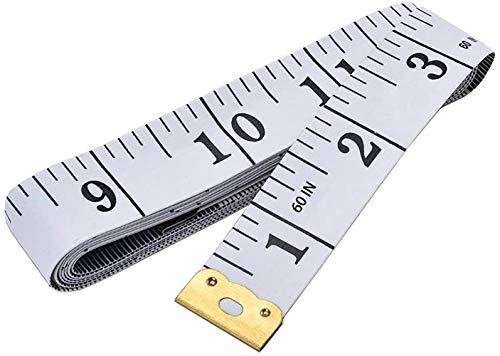
Fiskars is renowned for precision, and their flexible measuring tape is no exception. It is designed to lie perfectly flat against the body or the garment, preventing the "gapping" that can occur with stiffer tapes.
Accuracy is paramount when you are working with gauge-sensitive fibers like silk or fine-gauge alpaca. A millimeter of difference in your measurements can lead to a garment that is either too loose or too tight.
This tape is a workhorse for the perfectionist knitter. If you are drafting your own patterns or making significant modifications to existing ones, the reliability of this tape will provide the peace of mind you need.
Why Accurate Body Measurements Matter for Fit
We often rely on the "standard" sizing provided by patterns, but human bodies rarely fit into neat categories. A pattern might say "Size M," but your bust, waist, and hip measurements may suggest different sizes entirely.
Measuring your own body accurately allows you to blend sizes or add ease where you need it most. Without these numbers, you are essentially guessing, which often leads to the dreaded "sweater that doesn’t fit" syndrome.
Remember that knitting is a dynamic medium. A garment made of heavy, draping cotton will behave differently than one made of lofty, wool-blend yarn, and your measurements are the primary data points you need to manage those differences.
Key Features to Seek in a Garment Measuring Tape
When shopping for a tape measure, look for these specific traits to ensure you get the best performance:
- Non-stretch material: Avoid cheap plastic tapes that stretch over time, as they will cause your measurements to drift.
- Double-sided markings: It is incredibly helpful to have both imperial and metric units on the same tape.
- High-contrast print: Ensure the numbers are bold and easy to read against the background color.
- Smooth retraction: If choosing a retractable model, test the spring to ensure it doesn’t snap back too violently.
Always prioritize a tape that feels comfortable in your hand. If you don’t like using the tool, you won’t use it as often as you should, and your fit will suffer as a result.
How to Measure Your Body for Perfect Knit Fit
To get the best results, always measure yourself while wearing the type of undergarments you plan to wear with the finished sweater. Stand naturally; do not suck in your stomach or hold your breath, as this will result in a garment that is too tight to be comfortable.
When measuring your bust, wrap the tape around the fullest part of your chest, keeping the tape parallel to the floor. For the waist, measure the narrowest part of your torso, and for the hips, measure at the widest point of your seat.
Always add your desired "ease"—the difference between your body measurement and the garment measurement—to your final numbers. A fitted sweater might have 1-2 inches of positive ease, while a cozy oversized cardigan might have 6-10 inches.
Investing in a quality measuring tape is one of the smartest decisions a knitter can make for their craft. By moving away from guesswork and relying on precise, consistent data, you ensure that every stitch you knit contributes to a garment you’ll love for years. Take the time to measure twice, knit once, and enjoy the confidence that comes with a truly custom fit.