6 Best Needle Sharpeners For Damaged Tips Reviewed
Restore your sewing tools with our top 6 needle sharpener picks. We review the best options to fix damaged tips, ensuring smooth, precise stitching every time.
Every knitter knows the frustration of a snagged stitch caused by a burr or a dulled point on a favorite needle. Whether you are working with delicate lace or sturdy wool, the condition of your needle tip dictates the quality of your fabric. This guide explores the best tools to restore your gear, ensuring your knitting remains smooth and professional. Proper care for your needles is just as important as choosing the right yarn for your project.
Clover Needle Point Protectors: Best for Safety


If you’ve ever reached into your knitting bag only to be poked by a sharp DPN, you know the value of these protectors. They aren’t just for storage; they act as a buffer that preserves the factory-finished tip from accidental drops or contact with other metal notions.
These silicone caps are soft, flexible, and fit snugly over a wide range of needle sizes. By keeping the tips covered, you prevent the microscopic dings that eventually lead to snagging delicate silk or mohair fibers.
The trade-off here is strictly preventative. While they won’t sharpen a damaged tip, they are the best insurance policy for your collection. Keep a set in your project bag to ensure your points stay as sharp as the day you bought them.
Susan Bates Needle File: Best for Metal Tips

Metal needles are durable, but a hard fall onto a concrete floor can create a jagged "hook" on the tip. A specialized needle file is the only way to effectively shave down that deformity without ruining the plating of the needle.
When using a file, you must work with a light touch and follow the natural curve of the taper. If you file too aggressively, you risk changing the needle’s size or creating a flat spot that will catch on every stitch.
This tool is strictly for metal needles like nickel-plated or stainless steel options. It is not suitable for wooden or bamboo needles, as the abrasive surface will shred the natural fibers. Use this only when a clear, physical burr is present.
Pony Needle Polishing Pad: Best for Smoothing
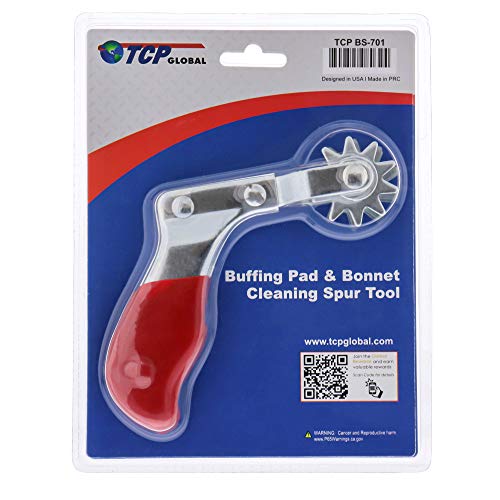
After you’ve filed a rough spot, the surface will feel microscopicly jagged, which can cause friction while knitting. The Pony polishing pad acts like a fine-grit sandpaper that buffs the metal back to a smooth, slick finish.
This is essential for knitters who work with high-twist yarns or sticky wools that grab onto even the slightest imperfection. A smooth tip allows the yarn to slide effortlessly, maintaining your gauge and preventing hand fatigue.
Think of this as the final step in a restorative process. Use it sparingly, as over-polishing can eventually strip the protective coating off plated needles. A few gentle swipes are usually all it takes to restore that "like-new" glide.
Addi Needle Repair Kit: Best for Wooden Tips
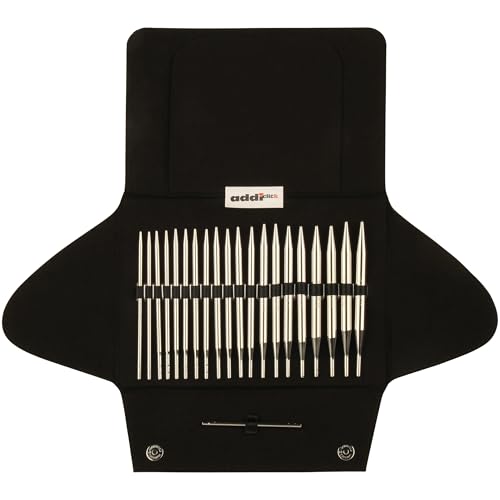
Wooden needles, particularly those made from birch or bamboo, are prone to splintering if they dry out or suffer impact. The Addi repair kit is designed to treat these organic materials with the care they require, often including wax or light abrasives.
When a wooden needle splinters, you cannot simply file it down, or you will lose the integrity of the tip. You must gently sand the area and then seal it so the wood doesn’t continue to fray and snag your yarn.
This kit is a lifesaver for those who love the "grip" of wooden needles but struggle with their fragility. If you are working with rustic, single-ply wool, a splintered needle can literally tear your yarn apart. Keep these tools handy for quick, on-the-go wood maintenance.
Dritz Point Repair Tool: Best for Plastic Tips

Plastic needles are inexpensive, but they are notorious for developing rough edges after repeated use. The Dritz point repair tool is specifically designed to handle the unique properties of synthetic materials, which can melt or warp if exposed to too much heat or friction.
Because plastic is softer than metal, it is very easy to over-correct a damaged tip. This tool provides just enough resistance to smooth out the plastic without gouging into the shaft of the needle.
If your plastic needles have become dull or "fuzzy" at the tips, this tool can extend their life significantly. However, if the tip is severely bent or melted, it is usually more cost-effective to replace the needle entirely. Plastic is a permanent material, so once the core structure is compromised, repair is often temporary.
Boye Fine Grit Sanding Block: Best for Precision

For the knitter who demands absolute control, a fine-grit sanding block is the ultimate precision tool. It allows you to target specific areas of the needle tip that have lost their taper or become blunt over years of use.
This is particularly useful for those who knit intricate lace, where a sharp, defined point is required to maneuver through complex yarn-overs and decreases. A blunt needle makes these stitches slow and frustrating, often leading to uneven tension.
Be warned: this tool requires a steady hand and a good eye. Always test your work frequently by sliding a piece of yarn over the area you’ve sanded. If the yarn catches, keep working; if it slides silently, you are finished.
How to Assess Damage on Your Favorite Needles
The best way to assess damage is to use the "nylon test." Take a smooth piece of nylon or silk yarn and slowly slide it over the tip of your needle in both directions. If the yarn catches, pulls, or creates a "fuzz," you have a burr or a splinter.
You should also visually inspect the needle under a bright light. Rotate the needle slowly; if you see a shadow or a glint of light that looks irregular, that is where your damage lies.
Don’t ignore these signs. A damaged needle doesn’t just annoy you; it can actually change your gauge by forcing you to pull harder on the yarn. If your knitting feels tighter than usual, check your needle tips before you blame your tension.
Why You Should Never Sharpen Your Own Needles
There is a common misconception that you can turn a blunt needle into a lace-point needle with a standard kitchen sharpener. Please, avoid this at all costs. You will almost certainly ruin the taper, which will cause your stitches to become uneven.
Sharpening changes the fundamental geometry of the needle. If you change the angle of the tip, you are essentially changing the needle size, which will throw off your gauge for the entire project.
Furthermore, most DIY sharpening methods leave behind microscopic scratches that act like tiny hooks for your yarn. Only use tools specifically designed for knitting needles to ensure the surface remains smooth. When in doubt, it is better to replace the needle than to risk your yarn.
Tips for Preventing Needle Tip Wear and Tear
Prevention is the best form of maintenance. The most common cause of needle damage is improper storage; never throw your needles loose into a bag with metal scissors or other hard notions.
Use needle cases or rolls that keep the tips separated and protected. If you are traveling, always use point protectors to ensure the tips don’t get crushed against the sides of your project bag.
Also, be mindful of your knitting environment. Knitting over a hard floor is a recipe for disaster; if you drop a needle, it will almost always land on the tip. A rug or carpeted area provides a much safer cushion for your tools.
Essential Maintenance for Long-Lasting Needles
Maintenance is about more than just sharpening; it is about keeping the material of the needle healthy. Wooden needles benefit from an occasional rub with a tiny drop of wood conditioner or even a gentle beeswax polish to keep them from drying out.
Metal needles should be wiped down periodically with a soft, lint-free cloth to remove the oils from your hands. These oils can attract dust and grime, which eventually creates a "sticky" film on the needle surface.
By treating your needles as precision instruments rather than disposable supplies, you ensure they perform consistently for years. A well-maintained set of needles is the secret foundation of every beautiful, uniform piece of hand-knit fabric.
Taking the time to care for your needles will pay dividends in the quality of your finished projects. By using the right repair tools and practicing proper storage, you can keep your favorite set in rotation for a lifetime of knitting. Remember, a smooth needle is the knitter’s best friend, so treat yours with the respect they deserve. Happy knitting, and may your stitches always glide with ease.