7 Best Knit Pattern Templates for Customization
Discover 7 versatile knit pattern templates perfect for customization. Learn how these adaptable designs help you create unique, tailored garments with ease.
Knitting a garment that actually fits your unique body is the holy grail for every maker, moving you from following strict instructions to truly designing your own wardrobe. These seven templates and systems provide the mathematical scaffolding necessary to turn any yarn into a perfectly tailored piece. By mastering these frameworks, you stop fighting the pattern and start collaborating with your stitches. Let’s explore how these tools can transform your knitting practice from rote repetition into creative mastery.
Tin Can Knits: The Simple Collection Basics
Tin Can Knits excels because they treat their basic patterns as a masterclass in construction. Their "Simple Collection" is essentially a foundational library that teaches you how a sweater is built, from the yoke down to the hem.
The genius here lies in the inclusive size range and the clear, logical progression of their instructions. They don’t hide the mechanics behind complex lace or cables; they let the clean lines of stockinette show you exactly where the increases happen.
If you are a beginner, this is your best starting point for understanding garment architecture. You will learn to identify the "spine" of a raglan and see how the math of the yoke dictates the fit of the shoulders.
Purl Soho: The Classic Cardigan Template
Purl Soho’s approach is about the elegance of the timeless staple. Their cardigan templates are designed to be "blank canvases" that rely on high-quality yarn choices rather than complicated design features.
When you use their templates, you are learning about proportions and ease. They provide a reliable structure that allows you to swap in your favorite stitch patterns or colorwork motifs without breaking the underlying math of the garment.
However, these patterns assume you have a firm grasp of finishing techniques like picking up stitches for button bands. If you struggle with creating a neat, non-stretching edge, take your time with the blocking process before you begin the pick-up.
Andrea Mowry: The Fade Sweater Framework
Andrea Mowry has revolutionized how we think about color in modern knitting. Her "Fade" framework isn’t just a pattern; it’s a system for managing multiple strands of yarn to create seamless color transitions.
The real power of this template is how it teaches you to manage fiber density. By holding different yarns together, you learn how to manipulate your gauge—the number of stitches per inch—to achieve the perfect fabric drape.
Be warned: this method requires careful attention to your yarn weight and fiber content. Mixing a heavy wool with a delicate mohair can lead to an uneven fabric if you don’t swatch extensively to see how they behave together.
Elizabeth Zimmermann: The Percentage System
Elizabeth Zimmermann’s "Percentage System" is the original modular design method. Instead of giving you stitch counts, she provides ratios based on your own measurements, making it the ultimate tool for custom sizing.
You start by knitting a swatch to determine your gauge, then you calculate the number of stitches based on your chest measurement. It is pure, unadulterated knitting math that empowers you to use any yarn, at any gauge, for any body.
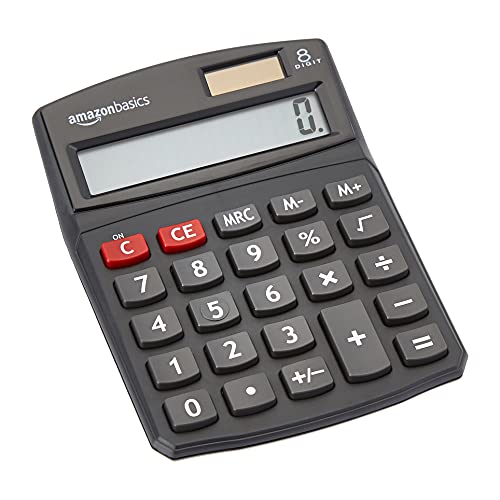
This system is not for the faint of heart, as it requires a calculator and a willingness to trust your own measurements. If you are tired of patterns that never quite fit your shoulders or armholes, this is the system that will finally set you free.

CustomFit: Automated Bespoke Pattern Engine
CustomFit is a digital tool that bridges the gap between traditional pattern writing and custom tailoring. You input your personal measurements and your gauge, and the engine generates a custom PDF pattern specifically for you.
This removes the anxiety of "will this fit?" by calculating the exact stitch counts for your unique proportions. It is particularly effective for those with non-standard measurements who find that commercial patterns are always too long or too wide.
The tradeoff is that you lose the tactile experience of learning the construction math yourself. Use it as a tool to get a garment you love, but pair it with a book on construction if you want to understand the "why" behind the numbers.
Cocoknits Method: The Modular Design System
The Cocoknits Method is a brilliant, visual way to construct garments using a specific set of "custom-fit" icons and templates. It focuses on the shoulder and armhole shape, which are the two most difficult areas to get right in hand-knitting.
By using their system, you learn to customize the depth of your armholes and the width of your shoulders independently. This is a game-changer for knitters who find that standard patterns often result in "droopy" sleeves or tight underarms.
The system relies on specific markers and a logical, step-by-step assembly process. It is highly structured, which makes it perfect for those who want a professional, store-bought look with the longevity of hand-knitted wool.
Jared Flood: The Brooklyn Tweed Design Guide

Jared Flood’s approach is rooted in the tradition of classic, structured tailoring. His design guides emphasize the importance of the yarn’s character—the twist, the ply, and the fiber bloom—in determining the final shape of the garment.
He teaches you how to choose the right yarn for the right structure. For instance, he explains why a wool with a high crimp is better for a structured cardigan than a soft, slippery alpaca blend that might grow and sag over time.
This is the best template for those who want to move into designing their own pieces from scratch. He provides the "rules" of construction so that you can eventually learn how and when to break them effectively.
Why Custom Templates Improve Your Knitting Fit
Most commercial patterns are written for an "average" body that rarely exists in reality. When you use a template, you shift the focus from matching a generic size to matching your specific body measurements.
Customization allows you to adjust for your unique shoulder slope, bust size, and arm length. Instead of forcing your body to fit the sweater, you are forcing the sweater to fit your body.
This leads to a higher satisfaction rate and fewer "frogged" projects. When a garment fits perfectly, you are far more likely to wear it, which justifies the dozens of hours you spent crafting it.
Essential Math for Modifying Knitting Patterns
You don’t need to be a mathematician, but you do need to understand the relationship between your gauge and your measurements. The fundamental equation is: (Total Width Needed) x (Stitches per Inch) = Total Stitch Count.
Always remember to account for "ease," which is the difference between the garment’s measurements and your body’s measurements. If you want a fitted look, aim for 1-2 inches of positive ease; for a cozy, oversized look, aim for 4-6 inches.
Don’t forget to calculate your row gauge for vertical measurements, such as armhole depth and total length. If you ignore row gauge, you might end up with a sweater that is the right width but hits at an awkward spot on your waist.
How to Gauge Swatch for Perfect Garment Sizing
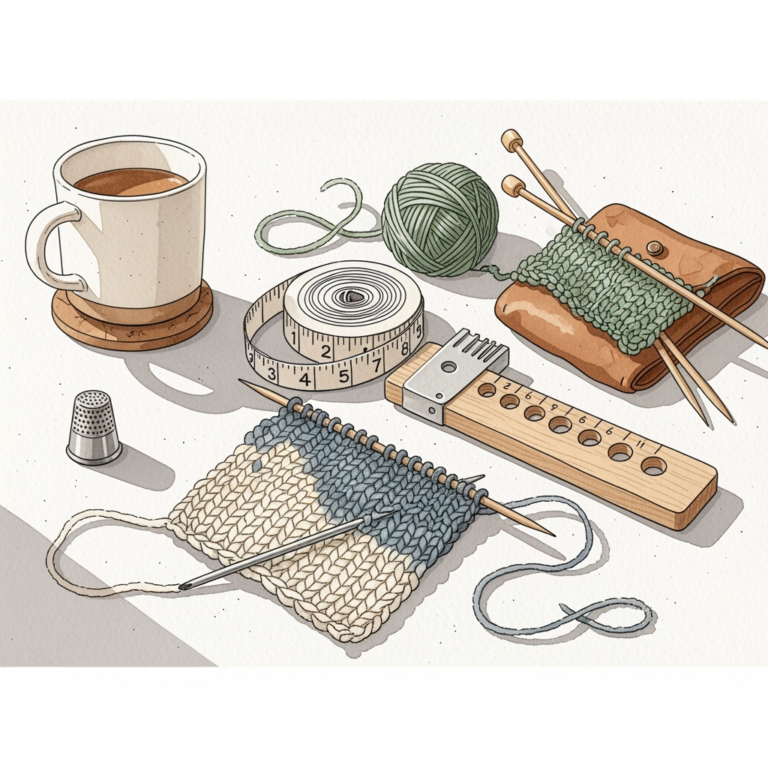
A gauge swatch is not a suggestion; it is the most important part of your project. If your swatch is small, you are not seeing how the fabric behaves over a larger surface area, especially with heavy or slippery fibers.
Wash and block your swatch exactly as you intend to wash the finished garment. Many yarns, especially superwash wools, will grow significantly after their first soak, which can turn a perfectly fitting sweater into a tent.
If your gauge is off, change your needle size, not your stitch count. Going up a needle size will give you more drape and a looser fabric, while going down will result in a denser, firmer knit.
Moving toward custom templates is the most significant step you can take toward becoming a confident, independent knitter. By focusing on the math and the construction rather than just the instructions, you gain the freedom to create garments that are truly your own. Choose one of these systems, commit to a thorough swatch, and enjoy the process of building your perfect wardrobe stitch by stitch. Your future self—wearing a sweater that fits like a dream—will thank you.