7 Best Pattern Binders For Collection Organization
Organize your sewing patterns with ease. We review the 7 best binders to keep your collection accessible, protected, and perfectly categorized for any project.
Every knitter knows the frustration of losing a crucial lace chart or misplacing the handwritten notes from a complex cable project. A well-organized binder transforms a chaotic pile of loose-leaf printouts into a professional-grade pattern library. The right storage system protects your hard-won notes and keeps your favorite designs accessible for years. Here are the seven best binders to help you manage your growing collection of patterns.
Avery Durable View Binder: Best Overall Choice


The Avery Durable View Binder is the workhorse of the knitting studio. Its standout feature is the clear overlay on the cover and spine, which allows you to slide in a custom index page. If you have a massive stash of printed patterns, being able to label your binders by "Sweaters," "Socks," or "Lace" saves you from endless searching.
The rings are designed to resist gapping, which is critical when you are flipping through pages of heavy cardstock or laminated charts. There is nothing worse than a snagged page tearing your favorite pattern right at the cast-on instructions. These binders handle a high volume of plastic sheet protectors with ease.
Bottom line: If you want a reliable, no-nonsense system that grows with your collection, this is your best bet.
Case-it Mighty Zip Tab Binder: Best for Security

If you knit on the go—taking your projects to local meetups or on long train rides—you need a binder that won’t spill its contents. The Case-it Mighty Zip features a full wraparound zipper that seals your patterns inside. It effectively prevents those stray pages from slipping out into the bottom of your project bag.
Beyond the security of the zipper, this binder includes an internal pocket that is perfect for storing stitch markers, a tapestry needle, or a small measuring tape. It functions almost like a portable office for your knitting projects. You can keep your current chart, your row counter, and your notes all in one secure, zipped environment.
The tradeoff here is the bulk; this binder takes up more room in a tote than a standard slim model. However, for the knitter who fears losing a single page of a multi-part pattern, the peace of mind is worth the extra weight.
Samsill Earth Choice Binder: Best Eco-Friendly

Sustainability is often at the heart of our craft, especially when we choose natural fibers like wool, alpaca, or linen. The Samsill Earth Choice binder aligns with that ethos by using 55% recycled content and a bio-based cover. It is a PVC-free option that doesn’t compromise on structural integrity.
Many knitters worry that "eco-friendly" means "flimsy," but this binder holds up well under the weight of hundreds of patterns. The rings open and close smoothly, which is essential when you are frequently swapping out active project sheets. It feels good to organize your patterns in a way that respects the environment.
If you are mindful about the materials you bring into your home, this is the most responsible choice for your library.
Wilson Jones Heavy Duty Binder: Best for Durability

When you have been knitting for decades, your pattern collection becomes an heirloom. The Wilson Jones Heavy Duty binder is engineered for longevity, featuring a reinforced hinge that prevents the spine from cracking over time. This is the binder you choose if you plan on keeping your patterns for twenty years or more.
The heavy-duty rings are built to withstand the constant wear and tear of a busy knitter. If you are the type of person who keeps a pattern out on the coffee table for months, this binder will survive the occasional spill or accidental drop. It is a sturdy, professional-grade tool that treats your patterns with the importance they deserve.
Bottom line: Invest in this binder if you want a permanent, indestructible home for your most-used knitting charts.
Mead 3-Ring Fashion Binder: Best Budget Option

Sometimes you just need a simple, affordable way to categorize a specific category of patterns, like "Holiday Gifts" or "Baby Knits." The Mead Fashion binder comes in various patterns and colors, making it easy to color-code your library without spending a fortune. It gets the job done without any unnecessary bells and whistles.
While it lacks the reinforced hinges of the professional-grade options, it is perfectly adequate for a standard home library. If you are a beginner knitter just starting to build your pattern stash, you don’t need to overspend on high-end storage. You can put those extra dollars toward a beautiful skein of hand-dyed merino instead.
Keep in mind that these are lighter-weight; they are best suited for stationary collections rather than heavy travel use.
Leuchtturm1917 A4 Binder: Best Premium Organizer
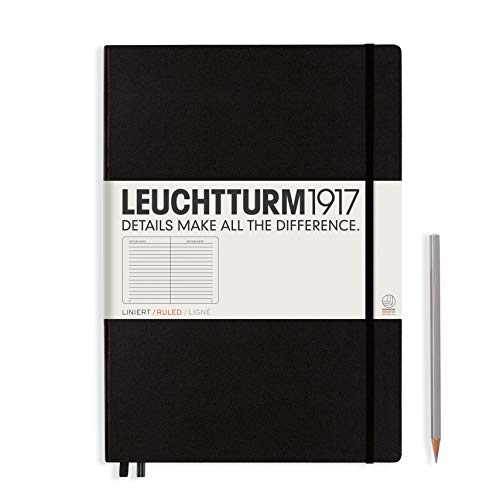
The Leuchtturm1917 A4 binder is for the knitter who appreciates the aesthetic of their workspace. It is sleek, minimalist, and beautifully constructed, fitting perfectly with the high-quality needles and notions you likely already own. It feels more like a piece of fine stationery than a standard office supply.
Because it is an A4 size, it provides a bit more room for wider charts or oversized pattern printouts. If you often print your patterns on European paper sizes or large-format charts, this is the most elegant solution. It turns the chore of organization into a satisfying, tactile experience.
If your knitting space is also your sanctuary, this premium binder provides the perfect blend of form and function.
Blue Sky Fibers Pattern Binder: Best for Knitters
This is a binder designed specifically by people who understand the rhythm of a knitting project. The Blue Sky Fibers binder often comes with dedicated dividers and clear sleeves that are sized perfectly for standard knitting patterns. It removes the guesswork of finding the right accessories for your collection.
It is designed to sit flat on a table, which is vital when you are trying to follow a complex lace chart while holding your needles. You don’t have to fight the binder to keep the page open; it lays flat and stays open to the row you are currently working on. It’s a thoughtful design that acknowledges the reality of the knitting process.
Bottom line: If you want a purpose-built tool that speaks the language of knitting, this is the gold standard.
Essential Features for Knitting Pattern Storage
When choosing your storage, prioritize features that protect your work. Look for binders that offer:
- D-Rings: These allow pages to lay flatter and prevent them from catching on the ring mechanism.
- Clear Sheet Protectors: Essential for keeping patterns clean from yarn dust, coffee spills, or accidental snags.
- Tabbed Dividers: Crucial for separating patterns by category (e.g., hats, shawls, sweaters) or by yarn weight (fingering, worsted, bulky).
- Spine Labels: You need to be able to identify your binders at a glance when they are sitting on a shelf.
Why Ring Binders Beat Digital Pattern Libraries
While digital libraries are convenient, they lack the tactile satisfaction of a physical binder. When you are deep into a project, you don’t want to worry about a tablet battery dying or a screen going to sleep mid-row. A printed pattern stays open on your lap or table, ready for you to mark your progress with a pencil.
Furthermore, physical binders allow for annotation. You can write your own notes in the margins—like "went up a needle size for gauge" or "added two repeats for length"—which are invaluable for future projects. A digital file is static, but a binder is a living record of your growth as a knitter.
Tips for Organizing Your Printed Pattern Collection
Start by purging patterns you know you will never knit. Once you have your core collection, organize them by project type, then by yarn weight. This allows you to quickly find a pattern that matches the specific yarn you have in your stash.
Always keep a master index at the front of each binder. If you have a pattern that spans multiple pages, use a paperclip or a dedicated sleeve to keep those pages together. Treat your binder like a curated portfolio, and you will find that your knitting time becomes much more focused and enjoyable.
Organizing your patterns is an act of self-care for your future knitting self. By investing in a sturdy, well-organized binder, you ensure that your favorite designs are always ready for the next cast-on. Don’t let your creativity be stifled by a messy pile of loose papers. Choose the system that fits your lifestyle, and watch how much more smoothly your projects progress.