6 Best Yarn Ball Winders For Finished Skeins Rated
Discover the top 6 yarn ball winders for organized skeins. We compare durability, ease of use, and capacity to help you find the perfect tool for your stash.
Transforming a tangled, hand-dyed hank into a neat, center-pull cake is one of the most satisfying rituals in a knitter’s studio. While many beginners start by hand-winding yarn into messy balls, a quality winder saves hours of frustration and prevents tension-related yarn damage. Choosing the right tool depends on your stash size, the frequency of your winding, and the specific weight of the fibers you prefer to use. This guide breaks down the top options to ensure your yarn stays pristine and ready for your next cast-on.
Stanwood Needlecraft Large Metal Yarn Winder


The Stanwood Large Metal Winder is the gold standard for those who regularly work with bulky yarns or massive yardage. Unlike plastic models that can struggle with the weight of heavy wools, the metal gears here provide a smooth, consistent rotation that won’t skip or bind.

If you are a sweater knitter who buys 1,000-yard hanks of lace-weight mohair or heavy superwash wool, this machine is a workhorse. It handles the tension required to wind large cakes without the mechanical fatigue often seen in lighter tools.
The primary tradeoff is the footprint; this is a heavy, substantial piece of equipment that requires a sturdy table edge. However, if you value longevity and precision, the investment is well worth the desk space.
KnitPicks Ball Winder: Best Budget Option
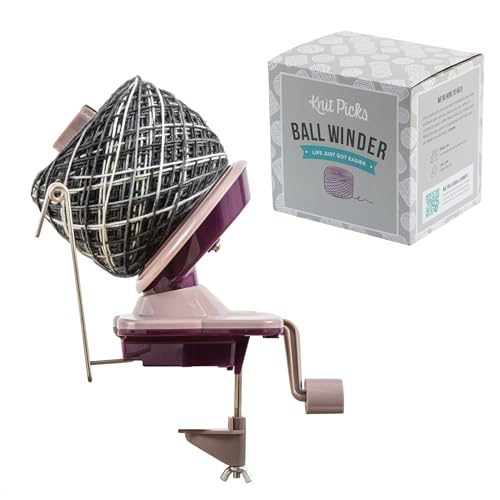
For the knitter who is just beginning to build a stash, the KnitPicks winder offers an accessible entry point without sacrificing essential functionality. It is lightweight, portable, and gets the job done for standard-weight yarns like worsted or DK.
It is perfectly suited for someone who only winds a few hanks a month for specific projects. While it may struggle with very large, heavy cakes, it is more than capable of handling the average 100-gram skein found in most local yarn stores.
Keep in mind that this is a plastic-based tool, so treat it with care. Avoid forcing the handle if you encounter resistance, as the internal gears are not designed for heavy-duty, high-torque winding.
Nancy’s Knit Knacks Heavy Duty Yarn Winder
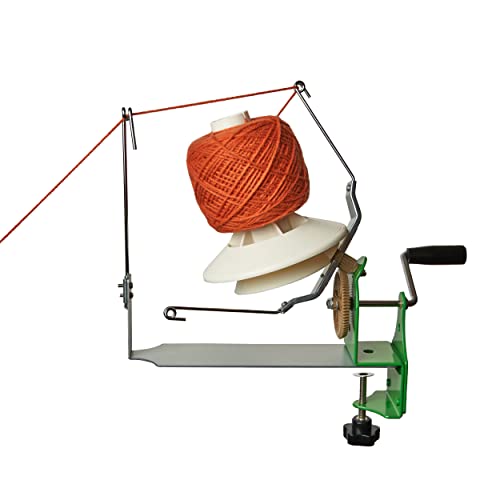
Nancy’s Knit Knacks has built a reputation on durability, and their heavy-duty winder is essentially the "buy it for life" option. It features a unique design that minimizes the friction often associated with lower-end models, leading to a much smoother winding experience.
This tool is ideal for the professional or serious hobbyist who winds yarn daily. The mechanics are robust enough to handle the tension required for tighter, more compact cakes, which are excellent for storage and preventing tangles during travel.
The cost is higher, but you are paying for precision engineering that protects your fiber. If you value your time and your yarn, this is an investment that pays for itself by reducing the time spent untangling knots.
Lacis Yarn Ball Winder: Compact and Reliable
The Lacis winder is a fantastic middle-ground option for those who prioritize a compact design without giving up reliability. It is small enough to tuck into a project bag or drawer, making it perfect for knitters with limited space.
This winder is surprisingly sturdy for its size and handles a wide range of yarn weights, from delicate fingering to medium-weight wool. It produces a clean, uniform cake that sits flat on the table, preventing the dreaded "yarn roll" that happens when a ball isn’t wound tightly enough.
While it lacks the massive capacity of the metal industrial models, it is arguably the most versatile for the average knitter. It strikes a balance between portability and structural integrity that few other models achieve.
U-nitt High Speed Yarn Winder for Large Cakes

The U-nitt winder is designed specifically for those who need to wind large quantities of yarn quickly. Its high-speed gear ratio allows you to process large skeins in a fraction of the time compared to standard manual winders.
This is a game-changer if you are a knitter who works with large cones or multiple strands held together. The design focuses on efficiency, allowing you to maintain a steady rhythm without the hand fatigue that comes with slower, more resistive models.
Because it is a high-speed tool, always ensure your yarn is properly fed from a swift to prevent snags. Rushing the process without a proper setup can lead to uneven tension, which may affect your gauge later on.
ChiaoGoo Hand-Operated Yarn Winder Review
ChiaoGoo is a brand synonymous with quality needles, and their hand-operated winder maintains that high standard. It is built with a focus on simplicity and ease of use, making it an excellent choice for knitters who prefer manual control over their winding process.
The tension control on this model is intuitive, allowing you to adjust how tight or loose your cakes are as you wind. This is particularly helpful when working with delicate fibers like silk or alpaca, which can be damaged if wound under too much tension.
It is a reliable, no-nonsense tool that performs consistently over time. If you appreciate the tactile feel of a well-made mechanical tool, you will find this winder to be a perfect addition to your knitting kit.
How to Choose the Right Yarn Winder for You
Choosing the right winder comes down to your specific knitting habits and the types of yarn you prefer. Start by evaluating your stash: do you primarily use fine lace-weight yarns, or do you gravitate toward chunky, hand-spun wools?
- For Large Stashes: Opt for metal-gear models like the Stanwood for durability.
- For Portability: Look for compact, lightweight models like the Lacis.
- For Beginners: Start with a budget-friendly option like the KnitPicks to learn the mechanics.
Consider your workspace as well, as some winders require a thick table edge for the clamp to function properly. Don’t be afraid to invest in a higher-quality model if you find yourself winding yarn every weekend; your hands and your yarn will thank you.
Essential Tips for Winding Yarn Without Snags
Always use a swift to hold your hank while winding, as pulling from a pile on the floor is the fastest way to create a tangle. Ensure the swift is positioned far enough away from the winder to allow the yarn to flow smoothly without creating excessive drag.
Watch your tension closely, especially with elastic fibers like superwash wool or nylon blends. If you wind these yarns too tightly, they can lose their elasticity, which will negatively impact the drape and fit of your finished garment.
If you are winding multiple strands together, keep them separated by a book or a yarn guide to prevent twisting. Taking your time during the setup phase will save you from spending hours untangling a "yarn barf" later on.
Why Center-Pull Cakes Improve Your Knitting
Center-pull cakes are superior to traditional balls because they remain stable while you work. When you pull from the center, the cake doesn’t roll across the floor or get caught in your chair, which keeps your yarn clean and free of pet hair or dust.
This method also allows you to easily track your yarn usage, as the cake maintains its shape until the very last few yards. It is particularly helpful for colorwork projects where you might be pulling from two different cakes simultaneously.
Furthermore, center-pulling helps you spot potential knots or breaks in the yarn before they reach your needles. By catching these issues early, you can join the yarn properly, ensuring a seamless result in your final piece.
Maintenance Tips for Your Yarn Winder Tool
Periodically clean your winder to remove the dust and fiber bits that naturally accumulate in the gears. A quick blast of compressed air and a light wiping with a dry cloth is usually enough to keep things running smoothly.

If you notice the winder becoming noisy or difficult to turn, a tiny drop of sewing machine oil on the main gear can work wonders. Avoid using heavy lubricants, as they can attract more dust and eventually gunk up the mechanism.
Finally, always store your winder in a clean, dry place when not in use. Keeping it protected from humidity and accidental drops will ensure it remains a reliable part of your knitting studio for many years to come.
Investing in a quality yarn winder is one of the smartest upgrades you can make for your knitting practice. By transforming your hanks into tidy, center-pull cakes, you protect your fiber, improve your tension, and streamline your workflow. Whether you choose a budget-friendly plastic model or a heavy-duty metal machine, the key is to prioritize the needs of your favorite yarns. Happy winding, and may your next project be completely knot-free.