6 Best Sewing Machine Bobbins For Heavy Duty Thread
Finding the right bobbin is crucial for heavy-duty sewing. We review the top 6 options designed to handle thick thread without jamming your machine’s tension.
Choosing the right bobbin for heavy-duty thread is just as critical as selecting the correct needle size for a delicate lace shawl. When you move away from standard cotton quilting thread to upholstery or topstitching weights, the mechanics of your machine change significantly. A bobbin that works perfectly for fingering weight yarn or standard sewing thread might jam or skip stitches when faced with thicker, more abrasive fibers. Getting this detail right ensures your seams hold up under the same tension we expect from a well-blocked wool sweater.
Singer Class 15 Metal Bobbins: Best for Durability


When you are working with heavy-duty thread, the physical stress on a bobbin increases exponentially. These Singer metal bobbins are the workhorses of the sewing world, much like a reliable set of stainless steel needles that won’t bend under the weight of a heavy wool coat project.
The metal construction is the key here. Unlike plastic, which can develop grooves or nicks from the friction of thick, high-tension thread, these bobbins maintain their structural integrity over time.
If you find yourself sewing heavy canvas or thick denim, these are your go-to. Just ensure your machine is compatible with the Class 15 standard, as forcing a non-compatible bobbin is like trying to force a size 5mm needle into a gauge meant for 2.25mm—it simply won’t yield a professional result.
Brother SA156 Metal Bobbins: Best for Reliability

Reliability in sewing is exactly like consistency in knitting; you want every stitch to look identical to the last. Brother’s SA156 metal bobbins are engineered to sit perfectly within the race, minimizing the wobble that often leads to skipped stitches when using heavy-duty thread.
The weight of these bobbins helps them stay seated in machines that might otherwise struggle with the drag of thicker threads. When you are feeding a heavy thread through a machine, you need a bobbin that pays out smoothly without sudden jerks.
These are an excellent choice if you have a machine that is prone to "bird-nesting" at the start of a seam. By providing a stable, consistent feed, they allow you to focus on your fabric manipulation rather than fighting your equipment.
Janome Class 15 Metal Bobbins: Best for Precision

Precision is the hallmark of a master maker, whether you are picking up stitches for a perfect neckline or sewing a complex upholstery seam. Janome’s metal bobbins are machined to exacting tolerances, ensuring they spin with minimal friction.
When using heavy-duty thread, even a fraction of a millimeter in bobbin dimensions can cause tension inconsistencies. These bobbins are designed to minimize that variance, keeping your stitches even and your tension balanced.
Think of these like high-quality, polished nickel needles; they offer a smooth experience that lets the thread move effortlessly. If your project demands absolute perfection, the investment in these precision-engineered bobbins is well worth it.
Bernina Metal Bobbins: Best for Heavy Duty Sewing

Bernina machines are famous for their engineering, and their bobbins are built to match that standard. These are specifically designed to handle the high tension required for heavy-duty sewing without warping or deforming.
When you are sewing heavy-duty projects, the thread tension is often cranked up to keep the thick stitches locked in place. A flimsy bobbin will often collapse or bind under this kind of pressure, leading to a frustrating afternoon of unpicking seams.
These bobbins hold their shape under load, much like a sturdy set of wooden needles that won’t snap when you’re working with a heavy, unspun roving. If you are serious about heavy-duty sewing, these are the gold standard for durability.
Dritz Metal Class 15 Bobbins: Best Value Option
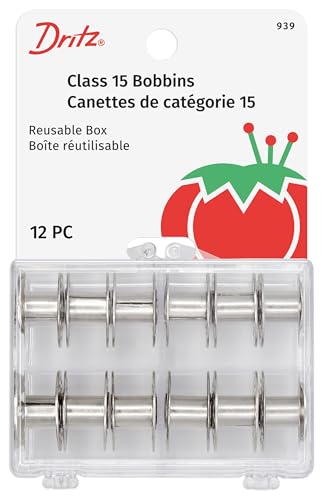
Sometimes you need a large quantity of bobbins for different thread colors, and Dritz offers a reliable, budget-friendly solution. These are the "workhorse" needles of the bobbin world—they get the job done without the premium price tag.
While they may not have the same level of micro-precision as some brand-specific options, they are perfectly adequate for most heavy-duty tasks. They are made of durable metal that resists the wear and tear of thick threads quite well.
Keep a few of these on hand for when you’re experimenting with new thread weights. They offer a great balance of performance and affordability, allowing you to stock your sewing room without breaking the bank.
Glass Filled Nylon Bobbins: Best for Smooth Feeds

While metal is often preferred for heavy-duty work, glass-filled nylon bobbins offer a unique advantage: they are incredibly smooth. This smoothness can reduce the drag on heavy-duty threads that have a textured or braided surface.
These bobbins are exceptionally lightweight, which can reduce the inertia needed to start the bobbin spinning. For some older machines, this can actually lead to a more consistent stitch formation.
However, be aware that they can eventually develop grooves if used exclusively with abrasive, heavy-duty metallic or corded threads. Use these when you want to prioritize a frictionless feed and aren’t worried about the long-term wear that metal bobbins are designed to withstand.
Understanding Bobbin Compatibility and Materials
The most common mistake beginners make is assuming all bobbins are universal. Just as you wouldn’t use an interchangeable needle cable with the wrong brand’s tips, you cannot mix and match bobbin types without risking damage to your machine.
- Metal vs. Plastic: Metal is generally better for the high tension of heavy-duty threads.
- Class 15 vs. L-Style: Always check your machine manual to see which class your machine requires.
- Height and Diameter: Even a small difference in size can cause the bobbin to fail to engage with the hook.
Always consult your manual before buying. Using the wrong bobbin is the fastest way to ruin a perfectly good sewing project—or your machine’s timing.
Why Heavy Duty Thread Requires Specific Bobbins
Heavy-duty thread is thicker and often more abrasive than standard thread. When this thread wraps around a bobbin, it exerts more outward pressure, which can cause cheap plastic bobbins to expand or crack.
Furthermore, the tension required to pull this thread through your machine is much higher. A bobbin that doesn’t spin perfectly will cause the thread to snap or the tension to become erratic, resulting in loose, uneven stitches.
Think of it like using a heavy, bulky yarn on a needle that is too small; the fabric becomes tight, distorted, and difficult to manage. You need a bobbin that can handle the increased physical demands of these specialized threads.
Troubleshooting Tension Issues With Thick Thread
If your stitches are looping on the underside of your fabric, your bobbin tension is likely too loose. This is a common issue when switching to a heavier thread that doesn’t sit snugly in the bobbin case.
- Check the tension spring: Ensure the bobbin case spring is clean and free of lint.
- Adjust the bobbin case screw: A tiny turn to the right can increase the tension to accommodate the thicker thread.
- Test on scraps: Never start a project without testing your tension on a scrap of the same fabric and thread combination.
Remember, patience is a virtue in sewing, just as it is in knitting. Take the time to dial in your tension before you start your main project.
Maintenance Tips for Long-Lasting Sewing Bobbins
Treat your bobbins with the same care you would your favorite set of knitting needles. Keep them in a clean, dry container to prevent dust and lint from accumulating, which can interfere with the thread payout.
Regularly inspect your metal bobbins for any nicks or burrs. If you find a rough spot, it will snag your thread and ruin your tension; it is better to replace a damaged bobbin than to struggle with a faulty stitch.
Finally, clean your bobbin area frequently. Lint buildup is the enemy of smooth sewing, and keeping the race clean is the best way to ensure your bobbins perform as intended, project after project.
Selecting the right bobbin is a foundational skill that elevates your sewing from a hobby to a craft. By choosing metal for durability and paying close attention to machine compatibility, you ensure that your heavy-duty projects are as sturdy as they are beautiful. Take the time to understand your machine’s unique needs, and your sewing will surely reach a new level of precision. Happy stitching, and may your tension always be perfectly balanced.