6 Best Sewing Bobbins For Vintage Sewing Machines
Struggling with thread tension? Discover the 6 best sewing bobbins for vintage sewing machines to ensure smooth, high-quality stitching. Read our guide now.
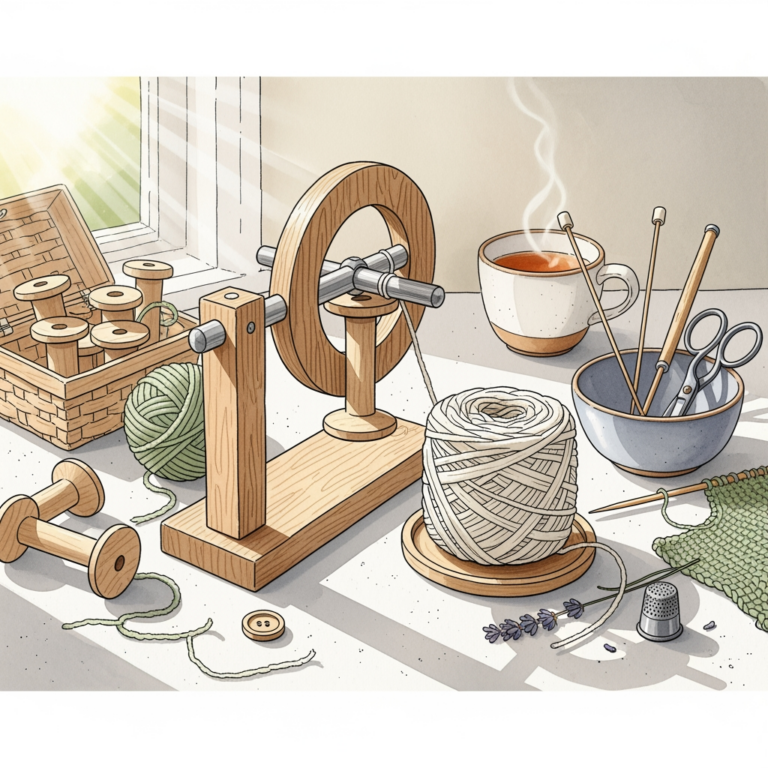
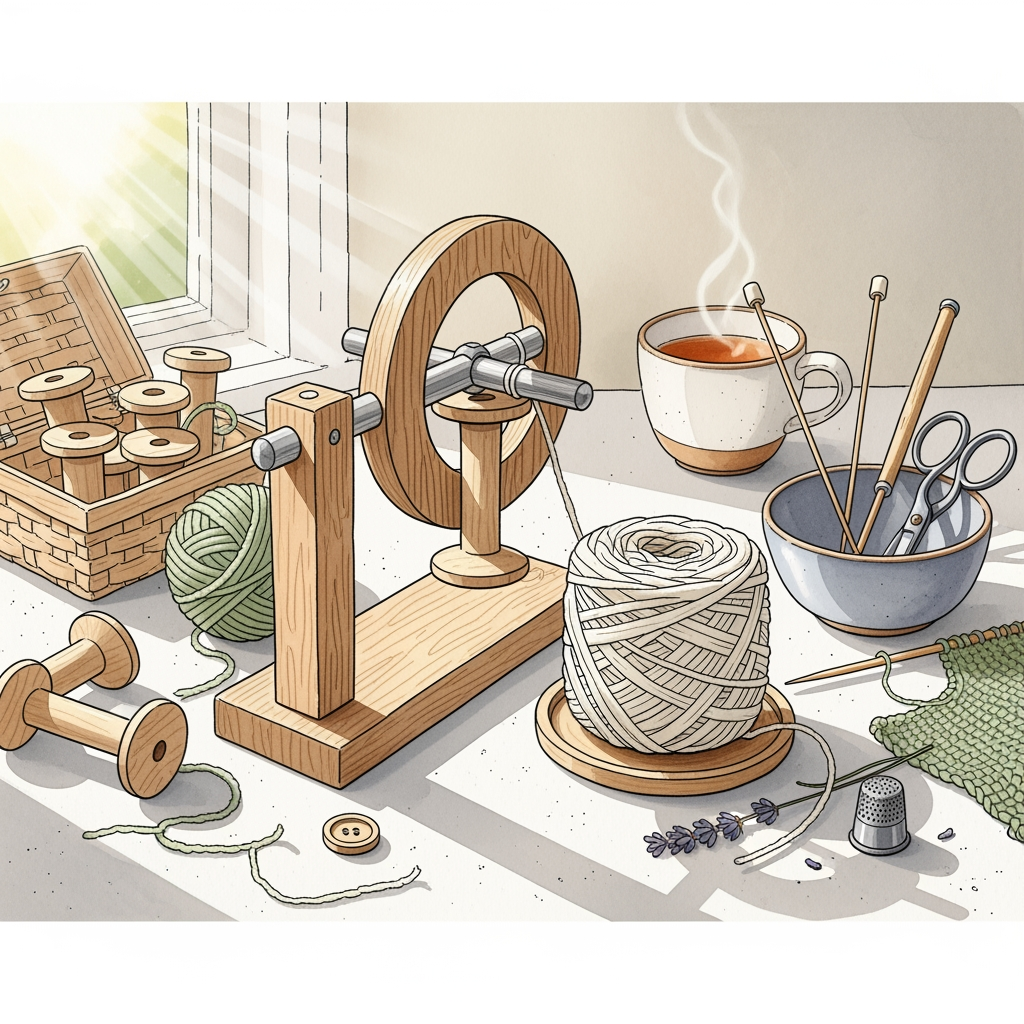
Finding the right bobbin for a vintage sewing machine is much like finding the perfect needle for a delicate lace project. Just as an improperly sized needle can split a fine merino-silk blend, the wrong bobbin will cause tension issues that ruin an entire garment. Precision in these small tools ensures that the stitches remain as uniform as a hand-knitted stockinette. This guide explores the essential bobbins needed to keep heirloom machines running as smoothly as a well-maintained knitting loom.
Dritz Class 15 Metal Bobbins: Best for Singers
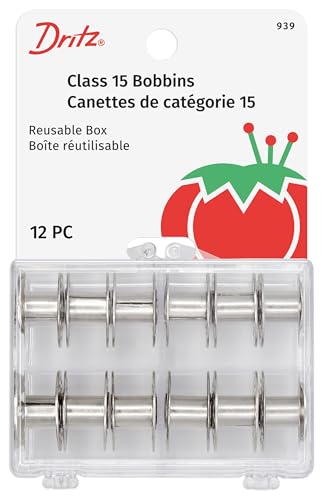

These metal bobbins are the workhorses of the sewing world, much like a reliable set of stainless steel needles for everyday wool projects. They are engineered to fit most vintage Singer machines that utilize a standard Class 15 bobbin case.
The durability of metal provides a consistency that lightweight plastic often lacks. When the thread tension is critical—such as when piecing together a quilt block—the slight weight of these bobbins helps maintain an even pull.
Avoid using these in machines requiring high-speed plastic bobbin compatibility, as the metal can cause unnecessary wear on delicate vintage hooks. For a classic Singer, these are the gold standard for consistent stitch quality.
SINGER Class 66 Bobbins: The Trusted Original

If the machine was manufactured by Singer and features a “drop-in” bobbin system, the Class 66 is almost certainly the required component. These bobbins are recognizable by their distinct slightly convex shape compared to the flat sides of a Class 15.
Using the original manufacturer’s specification is analogous to choosing the exact fiber content recommended for a specific knitting pattern. If the pattern calls for a wool-mohair blend, a cotton substitute will lack the necessary loft and halo; similarly, a generic bobbin in a Class 66 machine will lead to skipped stitches.
Always verify the machine’s manual before purchasing, as these are not interchangeable with other classes. When paired correctly, they offer the most reliable performance for vintage Singer drop-in models.
Bobbiny Universal Metal Bobbins: Budget Pick
For those who maintain a fleet of machines or frequently lose their bobbin stash, these universal metal options serve as a cost-effective solution. They provide a sturdy, functional alternative to expensive name-brand replacements.
Think of these as the reliable, mid-range circular needles found in many project bags—they do the job without the premium branding. They are particularly useful for machines that are slightly less finicky about bobbin tolerances.
Before committing to a bulk pack, test one in the bobbin case to ensure it spins freely without excessive drag. If the thread catches or the bobbin feels wobbly, skip the bargain and source a model-specific alternative.
Sew-Mate L-Style Bobbins: For Vintage Brothers
The L-style bobbin is a specialized tool required for many vintage Brother machines and specific industrial-style home setups. These have a different diameter and height compared to the standard household Class 15, making them non-negotiable for these machines.
Operating a machine with an incorrect bobbin size is similar to attempting to knit an aran-weight sweater with lace-weight needles. The mechanics simply do not align, resulting in a project—or a machine—that refuses to cooperate.
When working with vintage Brother equipment, prioritize the specific dimensions of the L-style to prevent internal damage. Precision here protects the hook and timing of the machine.
Clover Class 15J Bobbins: Perfect for Janome
Clover products are known for their high-quality manufacturing, and these Class 15J bobbins are no exception. They are specifically crafted to meet the tighter tolerances required by high-end Japanese-manufactured vintage machines like Janome.
When using high-twist threads for intricate embroidery or heirloom sewing, the quality of the bobbin finish matters. A smooth, burr-free surface prevents the thread from snagging, much like smooth bamboo needles prevent snagging on sticky mohair fibers.
These are an excellent investment if the machine is intended for fine work. The slight premium in price is well worth the reduction in thread breakage and tension headaches.
Generic Long Bobbins: For Vibrating Shuttles
Vibrating shuttle machines represent a unique era of sewing history, requiring long, torpedo-shaped bobbins. These are fundamentally different from any modern bobbin, functioning in a back-and-forth motion rather than a rotation.
Sourcing these requires attention to exact length and width, as there is zero room for error in these antique mechanisms. Just as one cannot substitute a cable needle with a bent paperclip without risking the project’s integrity, these machines demand their specific, elongated form factor.
If the machine dates to the late 19th or early 20th century, confirm the specific shuttle type before buying. They are niche, but essential for keeping those beautiful, rhythmic antique machines functional.
How to Identify Your Vintage Machine’s Bobbin
Determining the correct bobbin begins with the machine’s manual or a thorough search of the model number online. If the manual is missing, measure the existing bobbin with a caliper or a precise ruler.
- Check the diameter: Is it wider than it is tall?
- Examine the sides: Are they flat, curved, or convex?
- Test the fit: A proper bobbin should drop into the case and spin with minimal resistance.
Never force a bobbin into a case. If it sits too high or rattles excessively, the dimensions are incorrect. Identification is the most critical step in preserving the internal hardware of the machine.
Metal vs. Plastic Bobbins: Which is Better?
Metal bobbins are often preferred for vintage machines because they were the original material used during that era. They provide a bit more inertia, which can help regulate tension in older, mechanical hook systems.
Plastic bobbins, while modern, can sometimes be too lightweight for older tension springs, leading to looping or uneven stitches. However, plastic is safer for certain modern machines where metal-on-metal friction could lead to premature wear.
Stick to the material the machine was designed for. If the machine was built in the 1950s, it was likely calibrated for metal; using a lightweight plastic bobbin may result in frustration that is easily avoided.
The Dangers of Using the Wrong Bobbin Size
Using the wrong bobbin size is the fastest way to cause mechanical failure in a vintage machine. An undersized bobbin will move around, causing the thread to tangle, while an oversized one can scratch the race or jam the hook.
Beyond damaging the machine, the aesthetic results are disastrous. Poorly formed stitches, skipped cycles, and “bird’s nesting” on the underside of the fabric are all symptoms of a mismatch.
If the machine begins to make unusual sounds or the thread keeps snapping, stop immediately. Verify the bobbin choice before assuming the machine is broken, as a simple parts swap often fixes the issue.
Bobbin Winding Tips for Older Sewing Machines
Winding a bobbin on an old machine requires a steady hand and a clean path. Ensure the thread is threaded through the tension discs on the bobbin winder, just as it would be for the main sewing needle.
Do not overfill the bobbin; leaving a small gap at the edges prevents the thread from catching on the bobbin case. If the winding mechanism is sluggish, a tiny drop of high-quality sewing machine oil on the spindle can improve performance significantly.
Always ensure the thread is wound at a consistent tension. An unevenly wound bobbin will result in puckered seams, much like uneven tension in a sweater body causes a lopsided garment.
Mastering the mechanics of the bobbin is an essential skill for any sewist using vintage equipment. By matching the specific requirements of the machine to the right hardware, these heirloom tools will continue to produce beautiful work for generations. Treat the machine with the same care and attention to detail as a cherished knitting project, and it will serve faithfully for many years to come.