

6 Best Wax Sticks For Smooth Peg Movement
Struggling with slipping or sticking tuning pegs? Discover the 6 best wax sticks to ensure smooth, precise movement and better stability for your instrument.
Every knitter knows the frustration of a stubborn loom peg that refuses to let the yarn slide smoothly during a long project. When your pegs are too tight, your tension becomes uneven and your hands fatigue much faster than they should. Using the right wax can transform a clunky, difficult loom into a precision tool that makes your work flow effortlessly. This guide explores the best options to help you achieve that perfect, buttery glide for every stitch.
Bee’s Wax Co. Pure Organic Beeswax: Best Overall
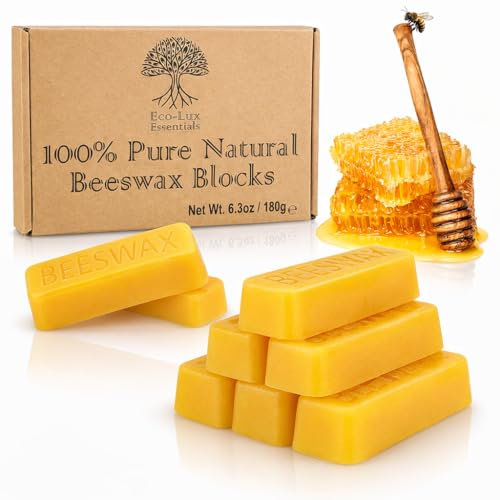

When it comes to loom maintenance, you cannot beat the simplicity and efficacy of raw, organic beeswax. This product stands out because it provides just enough lubricity to ease yarn movement without leaving a sticky or gummy residue on your pegs.
Because it is 100% natural, it is safe to use on wooden looms that might otherwise react poorly to synthetic chemicals. It creates a subtle barrier that protects the wood from the constant friction of wool or acrylic fibers.
If you are working on a large-scale project like a blanket, this is your go-to. It lasts through hours of repetitive motion, ensuring your tension remains consistent from the first row to the last.
Dritz Beeswax Holder: Best for Easy Application

The Dritz holder is a staple in many sewing kits, and it is equally brilliant for loom knitters who want to avoid messy fingers. The plastic casing acts as a protective shield, allowing you to rub the wax onto the pegs without getting it all over your hands or your yarn.
This is particularly useful for beginners who are still learning to manage their yarn tension. You can apply a quick swipe to the pegs mid-project without having to stop and wash your hands or worry about wax transfer.
While the wax itself is standard, the delivery system is what makes this a top choice. It keeps your workspace clean and ensures that you only apply the exact amount of wax needed.
Clover Beeswax Refill: Best for Precision Work

Clover is known for their meticulous attention to detail, and this refill is no exception. It is a dense, high-quality wax that feels more refined than the typical blocks you find in hardware stores.
Because the wax is slightly harder, it doesn’t flake off into your yarn while you are knitting. This is a massive advantage if you are working with delicate fibers like mohair or silk, where any stray debris can ruin the look of your finished fabric.
If you are a detail-oriented knitter who hates the idea of "gunking up" your loom, this is the product for you. It provides a smooth finish that feels invisible to the touch.
Thread Heaven Wax Conditioner: Best Synthetic Pick

Sometimes you need a little more "slick" than natural beeswax can provide, especially if you are working with grippy, high-twist cotton yarns. Thread Heaven is a synthetic conditioner that excels at reducing friction on even the most stubborn loom pegs.
Unlike natural wax, this product doesn’t build up over time. It creates a very thin, slick coating that makes the yarn glide over the pegs almost as if they were polished metal.
However, be cautious with the amount you use. A little goes a very long way, and you only need a tiny dab to see a significant improvement in your knitting speed.
Bohin Beeswax Disc: Best for Portable Projects
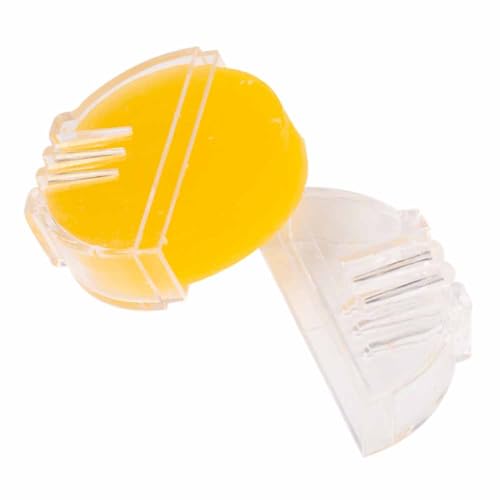
The Bohin disc is a favorite for those of us who carry our knitting projects everywhere, from the local coffee shop to the park. Its compact, circular shape fits easily into any notions bag without taking up precious space.
The wax itself is soft and easy to apply, making it perfect for a quick touch-up when you are away from your main toolkit. It is a reliable, no-nonsense tool that does exactly what it promises.
If you find your pegs getting sticky in humid weather, this disc is your best friend. Keep it in your project bag to ensure your loom is always ready for a smooth session.
Sewline Glue Pen Refill: Best for Peg Friction

While technically designed for fabric, the Sewline refill is a secret weapon for knitters dealing with overly loose pegs. If your pegs have become worn down and are causing your stitches to slip off prematurely, this can help add a tiny bit of "grip" back to the surface.
It is a unique approach to loom maintenance, focusing on control rather than just speed. Use this sparingly, as you want to improve tension, not create a permanent bond between your yarn and the wood.
This is a niche tool, but it is incredibly effective for specific loom issues. It’s perfect for those moments when your yarn is sliding too fast and you need to regain some tactile control over your gauge.
Why Waxing Pegs Improves Your Knitting Efficiency
Knitting is all about the rhythm of the yarn moving across the tool. When pegs are dry or unfinished, they create micro-friction that slows down your "knit-over" process and causes the yarn to snag.
By waxing your pegs, you reduce the physical effort required to lift the yarn over the peg. This simple change allows you to maintain a consistent gauge, as you aren’t pulling or tugging against the resistance of the loom.
Ultimately, this leads to less hand strain and faster progress. You will find that you can knit for longer periods without needing to take a break due to cramping or fatigue.
How to Apply Wax Without Damaging Your Yarn Fiber
The golden rule of waxing your loom is to apply a light, even coat rather than a thick layer. You want to coat the surface of the peg, not saturate it, as excess wax will eventually rub off onto your yarn.
Always start by wiping your pegs clean with a soft cloth to remove any dust or lint. Then, gently rub the wax onto the peg, focusing on the areas where the yarn makes the most contact.
If you do accidentally get too much wax on the loom, simply use a clean, dry cloth to buff it until the surface feels smooth and matte. Your yarn should slide easily, but it should never feel greasy.
Troubleshooting Stiff Pegs on Your Knitting Loom
Stiff pegs are often a sign of environmental factors, such as humidity or temperature changes affecting the wood. Before you reach for the wax, ensure your loom is clean and free of any built-up fiber debris that might be causing the drag.
If the wood itself feels rough, a light sanding with very fine-grit sandpaper may be necessary before applying any wax. Once the surface is smooth, the wax will be able to penetrate and provide the protection you need.
If the pegs remain stiff despite cleaning and waxing, check for any warping in the loom frame. Sometimes, the issue isn’t the peg itself, but the tension of the loom frame pressing the pegs out of alignment.
Essential Maintenance Tips for Long-Lasting Looms
Treat your loom like the investment it is by keeping it clean and properly stored. After every project, take a moment to wipe down the pegs to remove oils from your hands, which can attract dust and grime over time.
Store your loom in a cool, dry place to prevent the wood from expanding or contracting, which can lead to loose or tight pegs. Avoid leaving your loom in direct sunlight, as this can dry out the wood and make it more prone to splintering.
Regular, light waxing is much better than a heavy, infrequent application. By maintaining a thin layer of protection, you ensure that your loom remains a reliable, smooth-working partner for all your future knitting adventures.
Taking care of your loom is a small investment that pays off in every stitch you create. Whether you prefer the natural properties of beeswax or the slick performance of a synthetic conditioner, the right choice will make your knitting experience significantly more enjoyable. Remember that the best tool is the one that allows you to focus on your creativity rather than the mechanics of the loom. Happy knitting, and may your yarn always glide with ease.
