7 Best Blocking Mats For Delicate Fibers That Work
Discover the 7 best blocking mats for delicate fibers. Learn how these essential tools protect your projects while ensuring precise, professional finishing.
Blocking is the final, transformative step that turns a puckered, uneven piece of knitting into a professional-grade garment. When working with delicate fibers like silk, mohair, or high-twist merino, the surface you choose is just as vital as the pins you use. A high-quality blocking mat provides the tension control necessary to open up lace stitches without damaging the fiber’s integrity. These seven options represent the gold standard for protecting your hard work during the finishing process.
Knitter’s Pride Lace Blocking Mats: Best Overall


These mats are a staple in my studio because they strike the perfect balance between firmness and pin-ability. When you are blocking a sprawling lace shawl, you need a surface that holds a T-pin securely without allowing it to wiggle or pull out under the tension of the yarn.
The material is dense enough to withstand years of use but soft enough that your pins glide in effortlessly. I find the modular design particularly helpful; you can configure them into a long rectangle for scarves or a large square for circular shawls.
The real beauty here is the thickness, which prevents your pins from poking through to your table or floor. If you frequently work with delicate lace-weight yarns, the consistency of these mats ensures your edges stay straight and your picots remain crisp.
Mindful Collection Blocking Mats: Best for Detail

The Mindful Collection is designed for the knitter who treats their craft like a meditative practice. These mats feature a subtle, soothing color palette that helps you focus on the stitch definition as you pin out your work.
What sets these apart is the precision of the grid lines. When you are working on complex geometric lace, having a reliable visual guide is essential for maintaining symmetry across the entire piece.
These mats are particularly effective for fibers that require a light touch, like alpaca or cashmere. Because the surface is slightly more forgiving, you can achieve the necessary tension without overstretching the delicate fibers, which can ruin the "bloom" of the yarn.
Clover Blocking Mats: Best for Delicate Fibers
Clover has long been a trusted name for a reason: their materials are consistently high-quality and free of harsh chemicals that could potentially leach into your fiber. For someone working with hand-dyed silk, this is a major peace-of-mind factor.
The texture of these mats is slightly more "grippy" than others, which is a massive advantage when working with slippery, high-sheen yarns. If you’ve ever had a silk shawl slide around while you were trying to pin it, you know exactly how frustrating that can be.
These mats hold pins at a slight angle beautifully, allowing you to create the perfect tension for delicate lace. They are a reliable choice for the knitter who wants a no-nonsense surface that protects the luster of their yarn.
Susan Bates Knit Chek Mats: Best for Precision
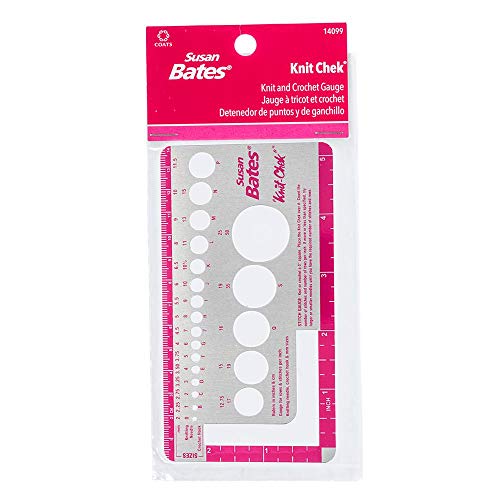
If you are the type of knitter who keeps a meticulous project journal, the Susan Bates Knit Chek mats will fit right into your workflow. They prioritize accuracy above all else, making them ideal for blocking garments that require specific measurements.
The grid markings are incredibly clear, which helps when you are blocking pieces that need to be seamed together later. Matching up edges for a sweater is infinitely easier when you know your pieces were blocked to the exact same dimensions.
These mats are firm and stable, providing a solid foundation for heavier weight yarns as well as delicate ones. They are a practical, utilitarian choice for the knitter who values speed and accuracy during the finishing phase.
TCC Blocking Board Set: Best Grid Alignment

The TCC Blocking Board Set is designed for the knitter who demands perfect geometry. The grid alignment is printed with high contrast, which makes it easy to see if your project is slightly skewed even from a distance.
This is especially helpful for large-scale projects like blankets or oversized shawls where it is easy to lose track of the center point. By keeping your work perfectly aligned, you ensure that your lace motifs open up evenly across the entire surface.
The material is durable and resists indentation, meaning the grid lines stay crisp even after repeated use. It’s a great investment if you find yourself blocking circular or hexagonal projects that require constant measurement from the center outward.
Boye Interlocking Mats: Best Budget Choice

You don’t need to break the bank to get a professional-looking block, and the Boye interlocking mats prove that. They offer a reliable, modular surface that gets the job done without any unnecessary bells and whistles.
While the material is slightly thinner than premium options, it is more than adequate for most lace and fingering-weight projects. If you are just starting your journey into blocking, these are an excellent entry point.
The interlocking edges are sturdy and stay connected even when you are pinning a large project under significant tension. They are a fantastic "workhorse" tool that allows you to spend your budget on quality yarn instead of expensive accessories.
ArtBin Foam Blocking Tiles: Best for Durability
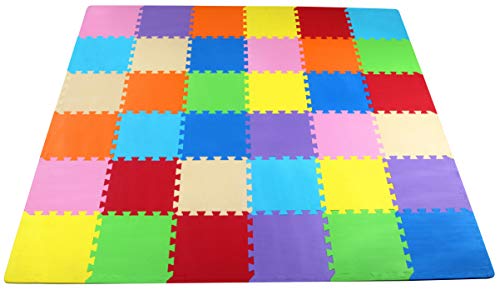
ArtBin is known for storage solutions, and their foam tiles are built to last. These are significantly denser than standard craft foam, making them highly resistant to the constant "poking" of T-pins.
If you are a prolific knitter who blocks projects every single week, the longevity of these tiles will save you money in the long run. They don’t warp or crumble at the edges, even after years of use in a busy studio.
These tiles are also easy to clean, which is a significant benefit if you happen to spill a little bit of wool wash or water during the blocking process. They are a solid, reliable choice for the dedicated maker who wants a "buy it once" solution.
How to Choose the Right Mat for Delicate Fibers
When selecting a mat, consider the "memory" of your yarn. Fibers like silk and alpaca have very little memory, meaning they will hold whatever shape you pin them into, so a stable, flat surface is non-negotiable.
- Density: Look for foam that resists deep gouges from pins.
- Grid Accuracy: Ensure the grid matches your preferred unit of measurement.
- Size: You need enough surface area to block your largest project without folding it.
- Material: Opt for non-porous, odor-free foam to protect delicate fibers from potential chemical transfer.
Don’t be fooled by cheap craft store foam; it is often too soft and will collapse under the tension required to open up lace stitches. Invest in mats specifically designed for knitting to ensure your hard work stays true to its intended shape.
Essential Tips for Blocking Lace and Silk Yarns
Blocking is not just about stretching; it is about relaxing the fiber. For silk and mohair, I always recommend a gentle soak in a high-quality wool wash before pinning to allow the fibers to soften and settle.
When pinning, start from the center and work your way out to the edges to ensure even tension. Use a "pin-and-check" method: pin a few inches, then step back to ensure your lace motifs are opening symmetrically.
Avoid over-stretching, especially with animal fibers. If you pull too hard, you risk losing the structural integrity of the stitch, which can lead to a "gaping" look once the project dries and relaxes.
Maintenance and Care for Your Blocking Surfaces
Your blocking mats will last for years if you treat them with care. After every session, remove all pins and wipe the surface with a damp cloth to remove any residual lint or wool fibers.
Store your mats flat or in their original packaging to prevent them from warping over time. Avoid leaving them in direct sunlight or near heat sources, as this can cause the foam to become brittle and lose its grip.
If you notice your mats getting a bit "tired" or covered in pin holes, don’t worry—this is normal wear and tear. As long as they are still providing a flat surface and holding your pins securely, they are still perfectly functional for your next project.
Choosing the right blocking mat is an investment in the longevity and beauty of your hand-knit pieces. Whether you prioritize grid precision, durability, or budget, the most important factor is creating a workspace that allows your stitches to breathe and settle. With the right surface, you can confidently tackle even the most delicate lace or silk projects. Happy knitting, and may your blocking always be perfectly square.