6 Best Wool Cleaners For Raw Fleece For Clean Fibers
Selecting the right wool cleaner is vital for raw fleece. Discover our top six picks to effectively remove lanolin and dirt while preserving fiber quality.
Processing raw fleece is a transformative experience that turns a dusty, grease-laden bag of wool into the soft, lofty fiber you dream of knitting with. Whether you are spinning your own yarn or simply cleaning a local farm find, the scouring process dictates the final drape and texture of your finished garment. Choosing the right detergent is the difference between a pristine, bouncy yarn and a matted, felted disaster. Let’s explore the best tools to help you achieve professional-grade results at home.
Unicorn Power Scour: Best Overall Fleece Cleaner


Unicorn Power Scour is the gold standard for a reason: it is specifically formulated to tackle the heavy-duty lanolin and dirt found in raw sheep’s wool. Unlike standard detergents, it is highly concentrated and designed to lift grease away from the fiber rather than just masking it.
When you are working with a particularly greasy breed, like a Corriedale or a high-lanolin Merino, this product saves you from the frustration of endless rinsing. It emulsifies the wax effectively, leaving your wool clean and ready for carding or combing.
The trade-off here is the strength of the formula; it is powerful, so you must measure carefully. Use too much, and you risk stripping the fiber of its natural character, making it feel slightly "squeaky" or brittle to the touch.
Kookaburra Wool Wash: Best for Gentle Cleaning
If you are working with delicate fleeces, such as fine-micron Rambouillet or rare breed wools, Kookaburra is an excellent, tea-tree-based choice. It provides a thorough clean while maintaining the structural integrity and natural luster of the fiber.
Many knitters prefer this for its pleasant, natural scent and its ability to keep the wool soft during the scouring process. It is particularly forgiving for beginners who might be nervous about the harsh chemicals found in industrial cleaners.
However, keep in mind that it is less aggressive on extremely heavy grease. If you are cleaning a fleece that has been "pasture-dirty," you may need to increase the number of soak cycles to get the water running clear.
Orvus WA Paste: Best for Heavy Duty Degreasing
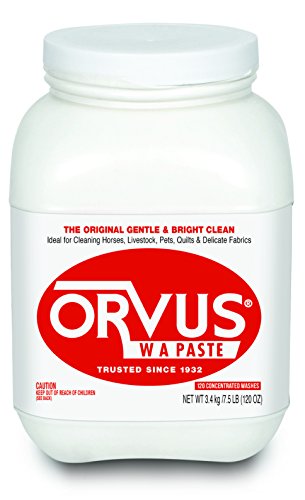
Orvus WA is a legendary product in the fiber arts community, often used by those who process large quantities of fleece at once. This concentrated paste is incredibly efficient at cutting through the thickest, most stubborn suint and lanolin.
Because it is so potent, a little goes a very long way, making it a cost-effective choice for those processing multiple fleeces. It is essentially a neutral synthetic detergent that works in a wide range of water temperatures.
The downside is that it is quite powerful and can be difficult to rinse out completely if you overdo it. Always start with a very small amount to avoid leaving a residue that could make your finished yarn feel tacky or attract dust later.
Eucalan Delicate Wash: Best for Lanolin Care
Eucalan is a staple in many knitting kits, primarily for its "no-rinse" convenience and gentle formula. While it is often used for blocking finished sweaters, it is also a fantastic, mild option for cleaning cleaner fleeces or for a final "refresh" soak.
It contains lanolin as an additive, which helps replenish the natural oils of the fiber if it has been slightly stripped during the initial scouring. This makes it ideal for maintaining the softness of wool that you intend to spin into a cozy, next-to-skin garment.
Don’t rely on this for your first, heavy-duty hot wash, as it isn’t formulated to break down thick grease. Reserve Eucalan for the final stages of processing to ensure your fiber remains supple and easy to draft.
SOAK Wash: Best for Quick and Easy Processing
SOAK is the ultimate convenience wash, favored by knitters who want a quick, fuss-free process without needing to rinse repeatedly. It is gentle, plant-based, and leaves the fiber feeling clean and lightly conditioned.
If you are a busy knitter who processes small batches of wool in the kitchen sink, the ease of use here is unmatched. You can simply soak, squeeze, and lay the fiber out to dry without worrying about residue buildup.
Be aware that like Eucalan, it is designed for maintenance rather than heavy-duty degreasing. It is a fantastic choice for "pre-washed" wool or for cleaning finished handspun yarn before you set the twist.
Dawn Ultra Dish Soap: Best Budget Fleece Option
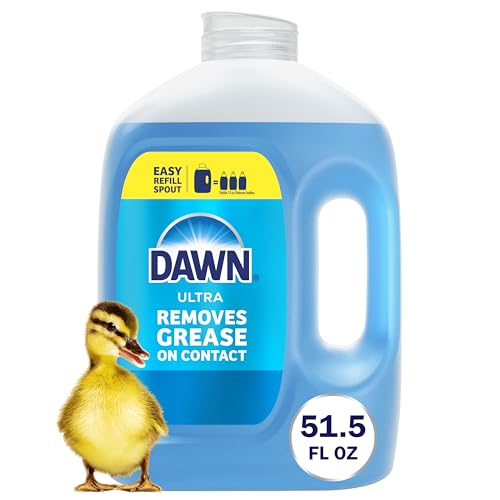
When you are just starting out and don’t want to invest in specialized products, standard blue Dawn Ultra is a surprisingly effective degreaser. It is designed to cut through grease on dishes, and it performs similarly on the lanolin found in raw fleece.
Many seasoned spinners started their journey using this method, and it remains a reliable "in-a-pinch" solution. It is affordable, easy to find, and undeniably effective at getting the water to run clear.
The risk, however, is that it is not specifically pH-balanced for animal fibers. Frequent use can lead to a slightly harsher hand in the final yarn, so use it sparingly and always follow up with a gentle rinse or a final soak in a wool-specific product.
Understanding Scouring Agents and Fiber Safety
Scouring is a delicate balance of chemistry and physics. You are trying to remove the yolk (the mixture of lanolin and suint) without damaging the scales of the wool fiber.
- pH Balance: Wool prefers a slightly acidic to neutral environment; high-alkaline cleaners can damage the fiber cuticle.
- Temperature: Avoid sudden temperature changes, which cause the fiber to shock and felt.
- Agitation: Never scrub or rub the wool; gentle squeezing is the only movement allowed.
Understanding these basics prevents the most common mistake: felting your raw fleece into a solid, un-spinnable mass. Always treat your fiber with the same care you would give a finished, hand-knit lace shawl.
Essential Equipment for Washing Raw Fleece
You don’t need a professional mill to process your own wool, but having the right tools makes the process much safer for your fiber. A large basin or a dedicated tub is essential to allow the wool to float freely without being compressed.
- Thermometer: Crucial for keeping your water temperature consistent, ideally between 140°F and 160°F for the initial scour.
- Mesh Bags: Helpful for keeping the locks organized and preventing them from becoming a tangled, matted mess during the rinse.
- Drying Racks: Large, flat surfaces with good airflow are necessary to ensure the wool dries evenly and quickly to prevent mold.
Invest in a good pair of rubber gloves to protect your hands from the hot water and the grease you are stripping from the fleece. Efficiency in your setup will make the difference between a fun project and a tedious chore.

Step-by-Step Guide to Processing Raw Wool
- Preparation: Gently shake out the fleece to remove loose debris, straw, and second cuts.
- The Soak: Submerge the wool in hot water with your chosen detergent, letting it sit undisturbed for 20-30 minutes.
- The Lift: Carefully lift the wool out of the basin, allowing the dirty water to drain away without squeezing the fiber.
- Rinsing: Repeat the soak process with fresh, clean water at the same temperature until the water runs clear.
- Drying: Gently press the excess water out and spread the locks in a thin layer on a drying rack away from direct sunlight.
Patience is your best tool during this process. If you rush the soaking or rinsing, you will end up with a sticky, unpleasant fiber that is difficult to card and even harder to spin.
Troubleshooting Common Issues in Fleece Cleaning
If your wool still feels sticky after drying, it means the lanolin wasn’t fully emulsified and removed. You may need to repeat the scouring process with a slightly higher concentration of detergent or hotter water.
If the fiber feels brittle or harsh, you likely used too much detergent or the water temperature was too high. For future batches, try a gentler cleaner or ensure your rinsing water is closer to the temperature of the wash water.
Finally, if you find your wool has started to felt, it is almost always due to agitation or temperature shock. While you cannot "un-felt" wool, you can often pick apart the locks and use the fiber for blending or carding into a woolen-spun yarn where texture is less critical.
Mastering the art of cleaning raw fleece is a rewarding skill that gives you total control over the quality of your yarn. By selecting the right cleaner for your specific fiber and following a gentle, patient process, you ensure your wool remains soft and ready for the needles. Remember that every fleece is unique, so treat each batch as a new learning opportunity. Happy spinning and even happier knitting!