6 Best Lace Needles For Intricate Stitch Patterns
Discover the 6 best lace needles for intricate patterns. Our guide reviews top materials and tip shapes to help you achieve precision in every delicate stitch.
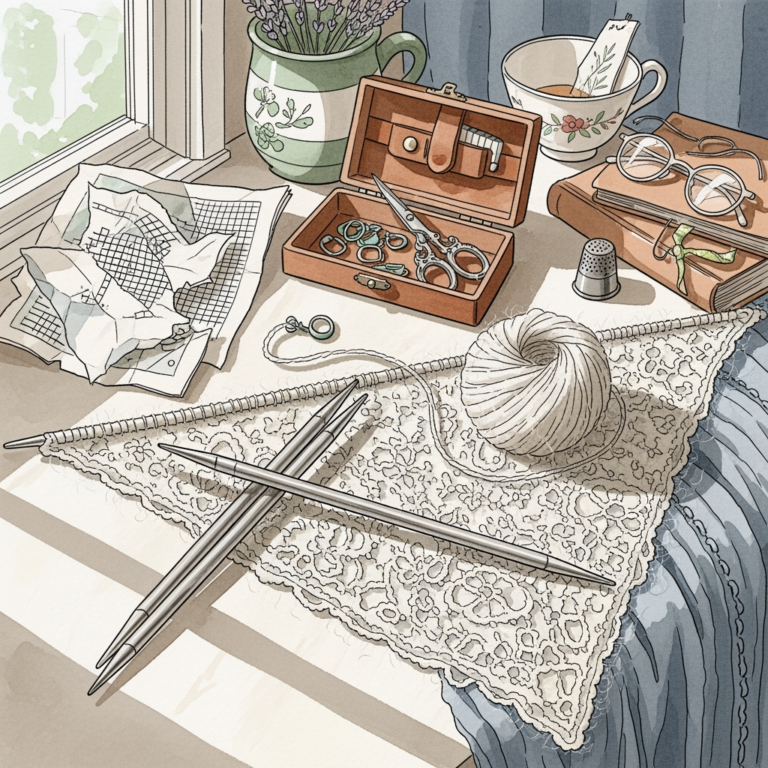
Tackling an intricate lace shawl requires more than just patience and a steady hand; it demands the right tools to navigate complex yarn-overs and multi-stitch decreases. When you are working with fine lace-weight yarn, the difference between a frustrating session and a meditative one often comes down to your needle tips. The following selection highlights the best needles designed specifically to handle the precision that lace knitting demands. Choose the right pair, and you will find your rhythm in the charts much faster.
ChiaoGoo Red Lace: Best Overall Precision Tips
These needles are the gold standard for many lace knitters, and for good reason. The tips are remarkably sharp, allowing you to easily pick up multiple stitches for complex decreases like a K3tog (knit three together).
The signature red cable is a masterpiece of engineering, featuring a multi-strand steel core coated in nylon. It remains flexible without kinking, which is essential when you have a massive shawl spread across your lap.
However, be aware that the sharpness can be a double-edged sword. If you have a habit of pushing the needle tip with your index finger, you might find yourself needing a leather thimble or a bit of tape to protect your skin.
Addi Rocket Squared: Best Ergonomic Lace Needle
If you find that your hands cramp after an hour of lace knitting, the Rocket Squared needles are a game-changer. The square cross-section provides a textured surface that requires less gripping force to hold onto the needle.
These needles combine a unique ergonomic shape with the signature "Rocket" sharp tip. This hybrid approach means you get the precision needed for complex charts without sacrificing the physical comfort of your hands.
Keep in mind that gauge can be tricky with square needles. Because they sit differently in your hand, many knitters find their tension changes slightly, so always swatch before starting a major project.
HiyaHiya Sharp Steel: Best for Fine Lace Work
HiyaHiya Sharp needles are incredibly sleek, making them a favorite for those who knit with very thin, slippery silk or alpaca blends. The transition from the cable to the needle is nearly seamless, preventing your yarn from snagging.


The stainless steel construction is lightweight, which reduces fatigue during long knitting sessions. The tips are arguably the sharpest on the market, acting almost like a surgical tool for manipulating delicate fibers.
Because these needles are so slick, they are best suited for knitters who have already mastered their tension. If you are a beginner, you might find that stitches slide off a bit too easily until you get the hang of it.
Lykke Cypra Copper: Best for Smooth Yarn Grip
Copper needles offer a unique experience that sits somewhere between the slickness of steel and the gentle grab of wood. As you use them, the copper develops a patina, which provides just enough friction to keep your yarn from flying off.
These are particularly excellent for wool-based lace yarns that might be a little too "runny" on stainless steel. The weight of the copper is substantial, giving the needles a high-quality, balanced feel in the hand.
Note that copper can react to the oils in your skin, leading to a darkening of the metal over time. This is purely aesthetic and does not affect the performance, but it is something to keep in mind if you prefer your tools to stay shiny.
Knitter’s Pride Karbonz: Best for Lace Stability
Karbonz needles are constructed from high-tech carbon fiber, making them incredibly strong yet surprisingly lightweight. The material has a slight "give" to it, which can be very forgiving on your wrists during long projects.
The tips are made of plated brass, providing the necessary sharpness for lace work while the carbon fiber body ensures the needle doesn’t bend or snap under tension. This combination offers a unique tactile experience.
These are an excellent choice if you tend to be a "tight" knitter. The carbon fiber surface provides a bit more grip than metal, which helps prevent stitches from jumping off the needle while you are working through a difficult lace repeat.
Signature Needle Arts: Best Premium Lace Points
When you invest in Signature Needle Arts, you are paying for precision manufacturing and a finish that is second to none. These needles are machined with exacting tolerances, ensuring that every pair feels identical.
The "Stiletto" point is specifically designed for the most intricate lace work, allowing for effortless maneuvering through tight stitch patterns. They are a luxury purchase, but for a knitter who spends hundreds of hours a year on lace, the cost-per-use is quite low.
These are strictly for the dedicated lace enthusiast who wants a needle that will last a lifetime. They are not intended for heavy, bulky work, but rather for the fine, delicate fiber projects where every millimeter of control counts.
Why Sharp Tips Matter for Intricate Lace Charts
Sharp tips are essential for executing complex decreases, such as the double-centered decrease or a K3tog. A blunt tip will often split the yarn or struggle to enter the loop, leading to uneven stitches and frustration.
When working with lace, you are often moving yarn-overs and decreases in rapid succession. A sharp tip acts as an extension of your finger, allowing you to manipulate the yarn with surgical accuracy.
The trade-off, however, is that sharp tips can be aggressive on your skin. If you are a "pusher," you will need to adjust your technique or use a thimble to prevent soreness during long sessions.
Understanding Needle Material for Lace Projects
The material you choose should be dictated by the fiber content of your yarn. Slick metal needles are excellent for "sticky" fibers like mohair or wool, as they help the yarn glide over the needle.
Conversely, if you are working with slippery materials like silk or bamboo yarn, you might prefer a material with more grip, such as wood or carbon fiber. These materials provide a bit of friction that prevents the stitches from sliding off accidentally.
Always consider the weight of the needle as well. For large lace shawls, a lighter material like carbon fiber or hollow brass will save your wrists from unnecessary strain over the course of a project.
How to Pick the Perfect Cord Length for Lace
For lace shawls, you are often working with a high number of stitches. A cord that is too short will bunch your stitches, making it impossible to see the lace pattern developing and increasing the risk of dropped stitches.
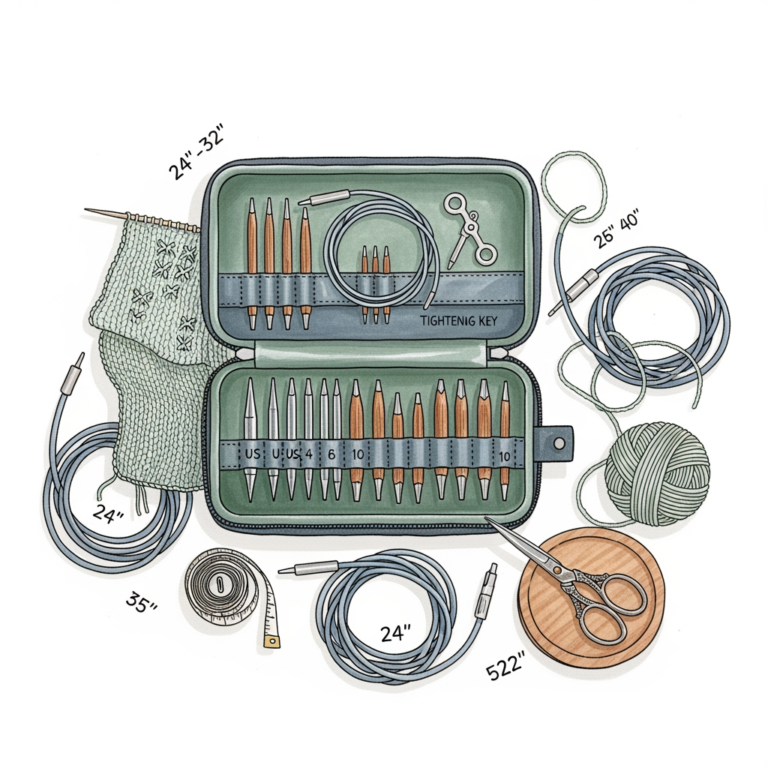
A good rule of thumb is to choose a cable length that allows your stitches to sit comfortably without being overly stretched. For most shawls, a 32-inch or 40-inch cable is the standard for a reason.
If you are using interchangeable needles, don’t be afraid to swap cables mid-project. Use a shorter cable for the beginning of a shawl when the stitch count is low, and move to a longer cable as the piece grows.
Tips for Managing Stitches on Pointy Needles
Managing stitches on sharp needles is a skill that comes with practice. If you find your stitches are slipping off, try relaxing your grip; you don’t need to hold the needles as tightly as you might think.
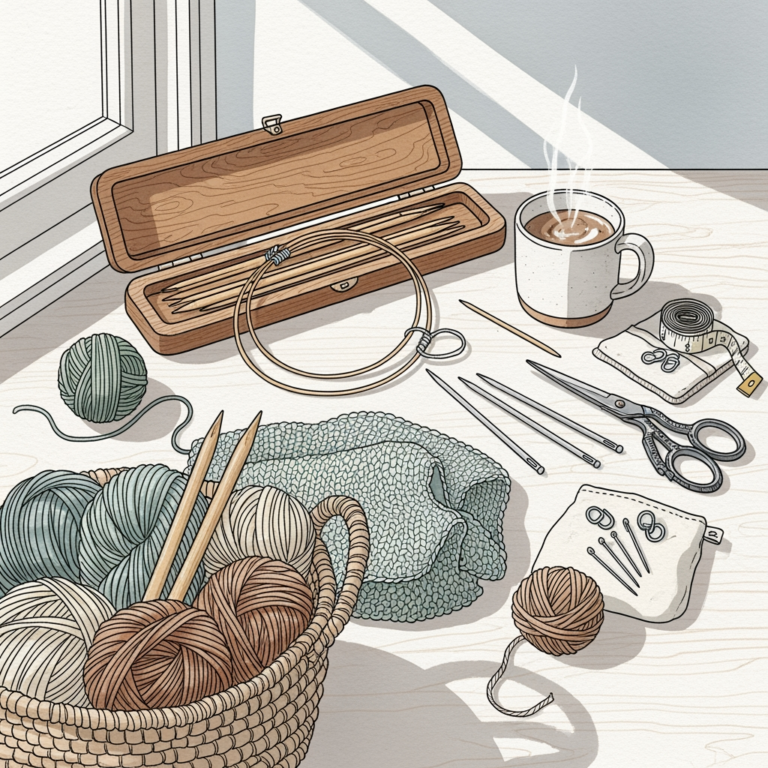
When working with very fine lace, keep a set of point protectors handy. These small rubber caps can be placed on the tips when you set your work down, ensuring that your hard-earned stitches don’t slide off while the project is in your project bag.
Finally, remember that your tension will naturally adjust as you become more comfortable with a specific needle type. If you are struggling, don’t blame your hands—sometimes, simply switching to a needle with a slightly different finish can solve the problem entirely.
The journey of mastering lace is paved with the right tools and a bit of trial and error. By understanding how needle materials, tip sharpness, and cable lengths interact with your unique knitting style, you can transform your lace projects from a chore into a joy. Remember that the "best" needle is ultimately the one that feels like an extension of your own hands. Happy knitting, and may your lace patterns always be perfectly blocked.