6 Best Swivel Needle Cords For Magic Loop Knitting
Discover the top 6 swivel needle cords for magic loop knitting. We compare flexibility and join quality to help you find the perfect tool for seamless projects.
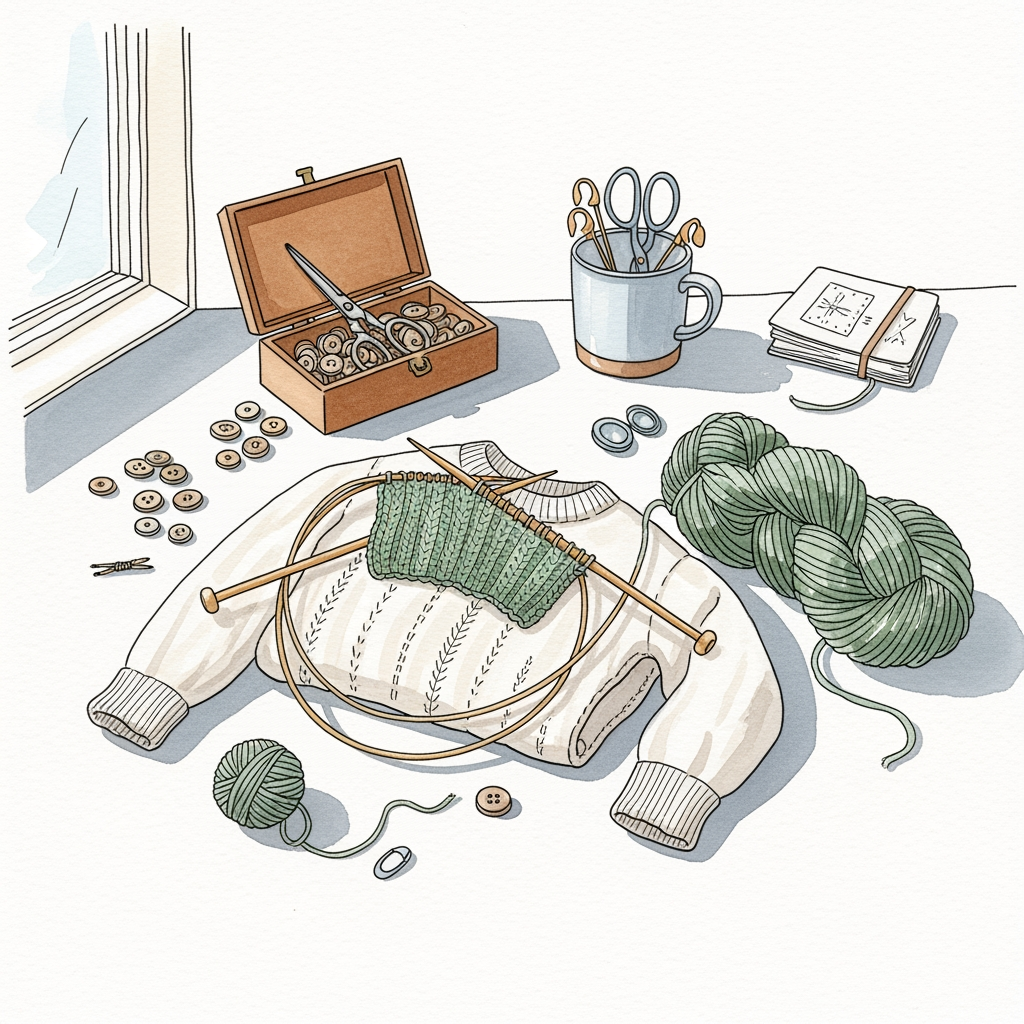
Magic Loop knitting is a transformative technique that allows you to work small-circumference projects, like socks or sleeves, on a single long circular needle. The secret to a frustration-free experience lies in the cable’s ability to rotate freely at the join, preventing the dreaded "kinking" that fights your hands. Choosing the right swivel cord can turn a tedious project into a smooth, rhythmic meditation. This guide breaks down the top swivel options on the market to help you find your perfect knitting match.


ChiaoGoo TWIST Red Lace: The Gold Standard
When you talk to serious sock knitters, the ChiaoGoo TWIST system is almost always the benchmark. Their multi-strand steel cable coated in nylon offers the perfect balance of memory-free flexibility and enough structure to hold the weight of a heavy project.
The swivel mechanism on these cables is incredibly robust, allowing the needle tip to rotate independently of the cable. This is a game-changer for Magic Loop because it eliminates the torque that builds up in your wrists as you transition between the front and back needles.
While these are widely considered the gold standard, the cables are quite stiff right out of the package. If you are working with delicate lace-weight silk, you might find the cable feels a bit "bouncy" until it has been broken in. Bottom line: If you prioritize durability and a snag-free join, this is your primary choice.
Knitter’s Pride Mindful Collection Cords

The Mindful Collection is designed with a focus on ergonomics and the meditative aspect of the craft. These swivel cords are distinct because they feature a smooth, teal-colored coating that feels slightly softer against the skin than the industrial-strength ChiaoGoo cables.
The swivel join is exceptionally smooth, which is ideal if you tend to knit with a tight, nervous tension. When you are working on a complex project like a top-down sweater yoke, the last thing you want is a cable that fights your circular movement; these cords pivot effortlessly.
One minor tradeoff is that the teal coating can show wear over several years of heavy use. However, for the knitter who values a quiet, fluid knitting experience, the aesthetic and tactile quality of these cords is unmatched. Bottom line: Choose these if you want a softer, more ergonomic feel during long sessions.
HiyaHiya Steel Interchangeable Swivel Cables

HiyaHiya has long been a favorite for their signature "sharp" needle tips, but their swivel cables are the unsung heroes of their lineup. These cables are exceptionally thin and pliable, making them arguably the best choice for very fine, fingering-weight yarn projects.
Because the cable diameter is smaller, it doesn’t create a "bulge" where the cable meets the needle tip. This is critical when you are doing Magic Loop, as it ensures your stitches slide over the join without catching or distorting your gauge.
Some knitters find these cables too flexible, which can make it harder to push stitches along if you are using a very heavy or sticky wool yarn. If you are using a grippy, woolen-spun yarn, you might prefer a slightly firmer cable to help move your work along. Bottom line: The ultimate choice for fine-gauge, delicate lace knitting.
Lykke Interchangeable Swivel Cord Selection

Lykke is best known for their beautiful, hand-crafted wooden needles, and their swivel cords are designed to complement that aesthetic. These cords feature a matte finish that pairs perfectly with the grippier nature of wooden needle tips.
The swivel action is reliable, though it feels a bit more "mechanical" than the fluid movement of the HiyaHiya or ChiaoGoo options. It provides a sturdy, predictable rotation that works well for knitters who prefer a bit of resistance in their tools.
Because these are often used with wooden tips, they are excellent for slippery fibers like bamboo or silk blends. The slight drag of the wood combined with the swivel cord prevents your stitches from accidentally sliding off the needle during a transition. Bottom line: The best companion for your wooden needle collection.
Seeknit Koshitsu Swivel Cable Innovation

Seeknit, formerly known as Kinki Amibari, brings a unique Japanese engineering perspective to the swivel cord. Their cables are manufactured with a specialized joint that allows for a 360-degree rotation that feels almost frictionless.
These cables are incredibly lightweight, which is a major advantage if you struggle with hand fatigue or tendonitis. When you are knitting a large shawl on a long cable, the weight of the cord itself can be a burden; Seeknit solves this with sheer, minimalist design.
You should be aware that these are proprietary to their system, so they won’t fit your existing stash of other brands. If you are looking to invest in a system that prioritizes pure, lightweight mechanics over universal compatibility, this is a top-tier contender. Bottom line: A specialized, high-performance tool for those who prioritize weight and rotation.
Addi Click Rocket Swivel Needle Solutions

Addi is legendary for their "click" system, which requires no tools to secure the cable. Their newer swivel iterations provide the same secure, tool-free locking mechanism combined with the rotation needed for seamless Magic Loop work.
The standout feature here is the "click" itself; you know instantly when the cable is locked, which provides peace of mind when working on expensive yarn. The swivel action is integrated directly into the connector, ensuring that your needle tip stays aligned with your hand movement.
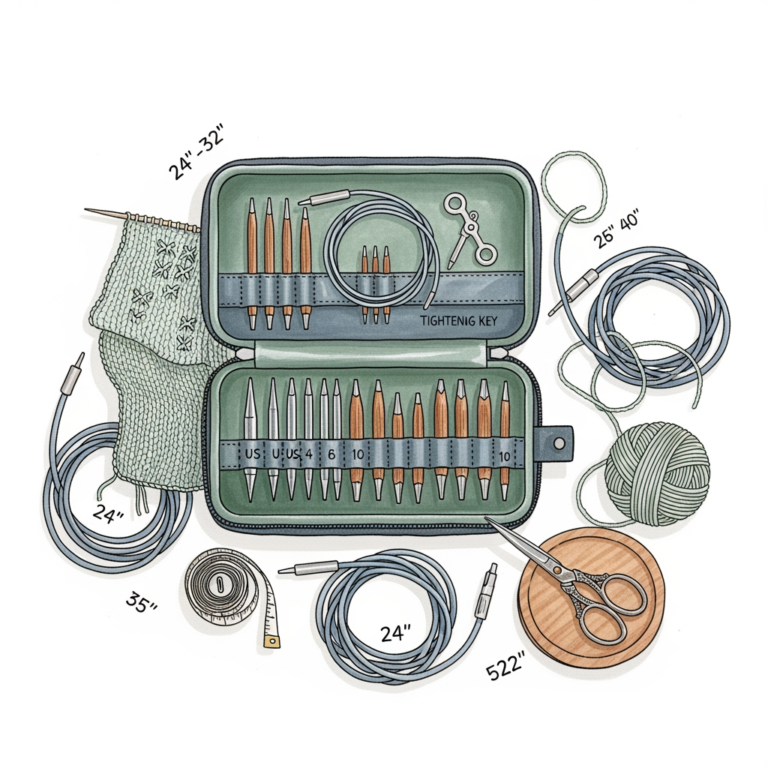
The primary tradeoff is the thickness of the join; it is slightly bulkier than the screw-in types found in other brands. If you are a very tight knitter, you might notice the transition between the needle and the cable more acutely with these. Bottom line: Ideal for knitters who dislike fiddling with tiny tightening keys.
Why Swivel Cords Matter for Magic Loop Work
Magic Loop requires you to pull a large loop of cable through your stitches repeatedly. Without a swivel, the cable twists upon itself, eventually causing the cord to curl into a tight, impossible knot that disrupts your rhythm.
A swivel cord allows the needle tip to spin freely, which means the cable stays relaxed regardless of how many times you pull it through. This reduces the physical strain on your wrists and keeps your tension consistent across the entire round.
If you are a beginner, you might not notice the difference immediately, but your hands will thank you after an hour of knitting. Investing in swivel tech is an investment in the longevity of your knitting career, helping you avoid repetitive strain injuries.
How to Test Cable Memory and Flexibility
To test a cable’s "memory," hold it at both ends and let it hang; a good cable should fall straight down without curling or holding a "loop" shape from the packaging. If it holds a tight circle, it has high memory, which will make Magic Loop work frustrating.
Flexibility is about how the cable handles the "looping" portion of the technique. You want a cable that is supple enough to bend into a sharp U-shape without kinking or feeling like it might snap at the join.
Before committing to a brand, try to handle them in person at a local yarn shop. If you can only buy online, look for reviews that specifically mention "kinking" or "memory," and prioritize cables made from nylon-coated steel for the best performance.
Proper Care for Your Interchangeable Cords
Even the best swivel cords can fail if they aren’t maintained properly. Always disconnect your cables from the needle tips when storing your projects to prevent the join from becoming permanently bent or stressed.
Keep your cables away from extreme heat, which can warp the nylon coating and ruin the swivel mechanism. A gentle wipe with a slightly damp cloth is all you need to remove dust or fiber debris that might interfere with the rotation.
Store your cables in a way that allows them to remain straight, such as hanging them on a hook or using a large-diameter circular case. Never force a cable into a tiny container, as this will introduce permanent "memory" into the plastic.
Troubleshooting Common Magic Loop Snags
If your yarn is catching at the join, check for two things: a loose connection or a burr on the metal. Ensure your cable is tightened fully using the appropriate key or tool, as even a tiny gap will snag your yarn.
If the join is tight but still snagging, run your fingernail over the connection point to feel for a rough edge. If you find one, a very light buffing with a fine-grit emery board can often smooth it out, but be careful not to damage the plating.
Finally, consider your yarn choice; some loosely plied yarns are prone to snagging on any join, no matter how good the needle is. If you’re working with a delicate single-ply or a very fuzzy mohair, take extra care during the transition between needles.
Finding the right swivel cable is a personal journey that depends on your specific knitting style, the yarn you love, and your hand comfort. While the brands listed above represent the pinnacle of current engineering, the "best" choice is the one that disappears into your hands and lets you focus on the stitches. Start by testing one or two brands that match your project needs, and you will quickly feel the difference that a smooth rotation makes. Happy knitting, and may your loops always be magic and your cables always stay straight.