
6 Best Wool Washes For Blocking Finished Garments
Blocking is key to a professional finish. We review the 6 best wool washes that gently clean and relax fibers, ensuring your knits maintain their final shape.
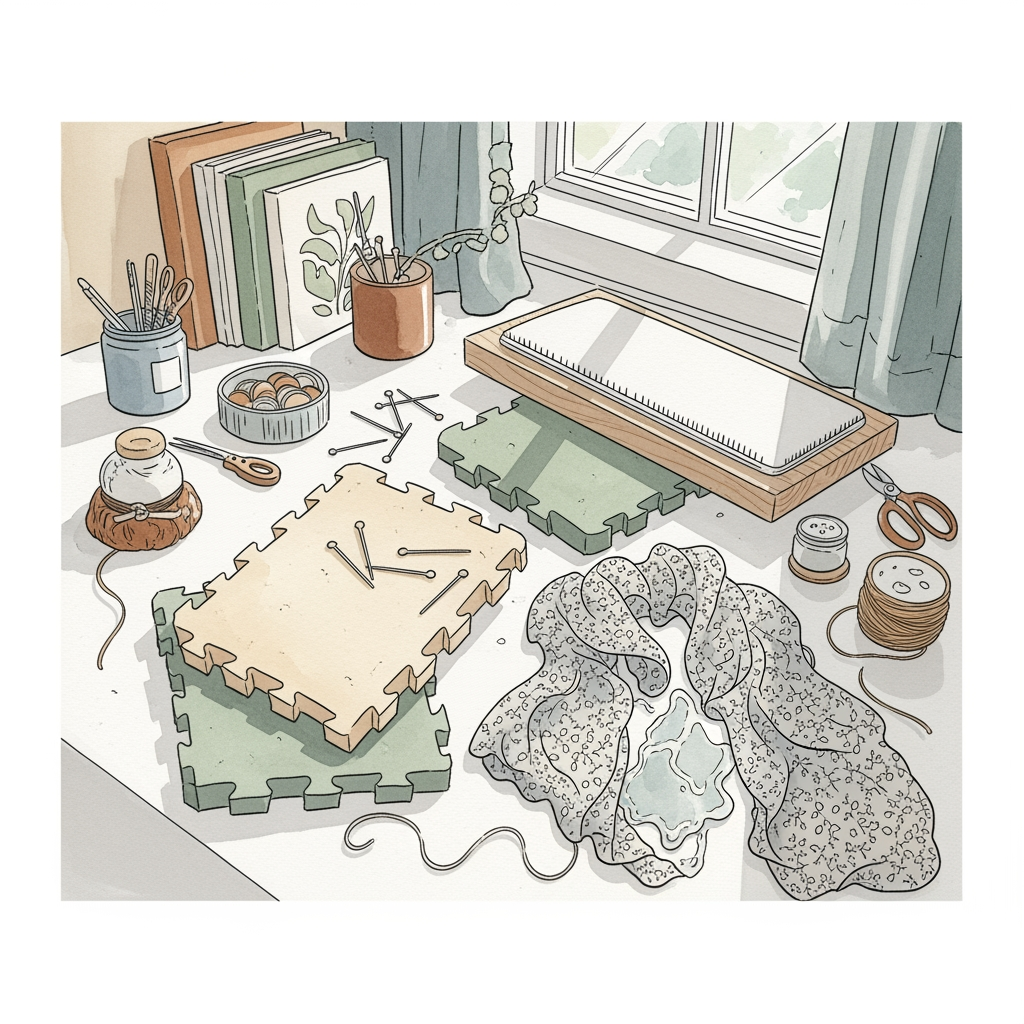
You’ve spent dozens of hours selecting the perfect yarn, managing your tension, and weaving in those final ends. Blocking is the transformative step that turns a "home-made" piece into a professional-looking garment, but the soap you choose is just as important as your blocking wires. Using the wrong detergent can strip natural oils or leave behind a residue that ruins the drape of your hard work. Here is the expert guide to selecting the best wool wash for your finished projects.
Eucalan Delicate Wash: Best No-Rinse Option
Eucalan is the gold standard for knitters who want to minimize handling of their delicate items. Because it is a no-rinse formula, you simply soak your garment and squeeze out the excess water, saving your project from unnecessary agitation.
The secret ingredient here is lanolin, which acts as a natural conditioner for wool fibers. It helps keep the yarn soft and can even help restore some of the bounce that might have been lost during the knitting process.
If you are blocking a large, heavy item like a cabled sweater, this is a lifesaver. You won’t have to worry about the weight of the water-logged garment while you try to rinse it in the sink.
Soak Wash: Best for Scent-Sensitive Knitters
Soak is a favorite for those who find traditional laundry scents overwhelming or who suffer from skin sensitivities. Their "Scentless" variety is truly neutral, ensuring your finished shawl doesn’t smell like a perfume counter.
The formula is designed to be gentle enough for the most fragile fibers, including silk and alpaca. It effectively pulls dirt and oils away from the fiber without requiring a harsh scrubbing action.
It is particularly useful if you are gifting your handknits to someone with allergies. You get a clean, fresh-smelling garment without the risk of triggering a reaction or masking the natural, earthy scent of high-quality wool.
Kookaburra Wool Wash: Best for Natural Fibers
Kookaburra uses a unique blend of tea tree oil and other natural ingredients to clean and protect your knits. Many knitters swear by its ability to neutralize odors, especially in garments that have been worn frequently.
Because it is plant-based, it is an excellent choice for those who want to avoid synthetic chemicals. It works by breaking down the grime at a microscopic level, making it perfect for refreshing older, heirloom-quality pieces.
It is worth noting that the scent is quite distinct, with a strong herbal note. If you love the smell of tea tree, you will find it refreshing, but it is definitely a personal preference.
The Laundress Wool & Cashmere: Best Premium Pick
When you are working with luxury fibers like cashmere, vicuña, or high-end merino, you want a specialized product. The Laundress offers a sophisticated, cedar-scented wash that feels like a spa treatment for your yarn.
This is a concentrated formula, meaning a little goes a long way. It is designed to preserve the loft and softness of expensive fibers, preventing that dreaded "scratchy" feeling that can occur after a few washes.
Be aware that this is a premium product with a price tag to match. It is best reserved for your heirloom projects that require the absolute highest level of care and fiber protection.
Unicorn Fibre Wash: Best for Heavy Cleaning
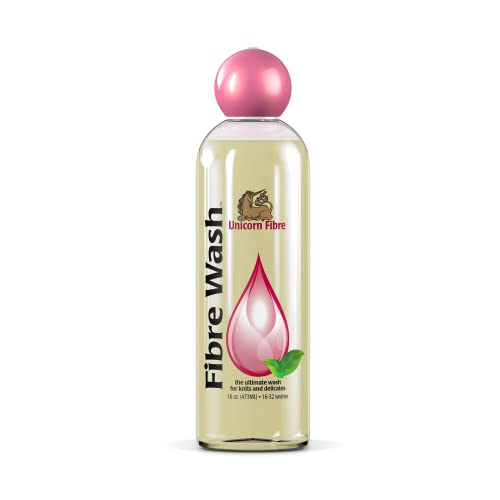

Sometimes, a project picks up dust or oils during the long months of knitting, especially if you are working with darker colors or heavy wools. Unicorn Fibre Wash is a powerhouse that excels at deep cleaning.
It is highly effective at removing the "spinning oils" that remain on raw or semi-processed yarns. If you find your project feels a bit stiff or waxy, this wash will strip that away to reveal the true character of the fiber.
Because it is so potent, you only need a very small amount. It is the perfect choice for "rescue" projects or garments that have been sitting in storage and need a significant refresh.
Twig & Horn Wool Soap: Best Sustainable Choice
Twig & Horn focuses on simple, effective ingredients that are biodegradable and eco-friendly. Their wool soap is crafted with sustainability in mind, making it a favorite for the environmentally conscious knitter.
The soap is gentle on the hands, which is a major bonus if you are doing a large batch of blocking. It cleans effectively without leaving a heavy, waxy residue behind on the yarn.
This is a great "all-rounder" for your stash. It works reliably on everything from rustic, woolly sheep breeds to soft, delicate blends, providing a consistent, clean finish every time.
Why Proper Blocking Requires Specialized Soap
Regular laundry detergent is designed to break down tough stains and body oils using harsh enzymes. These enzymes are often too aggressive for protein fibers like wool, alpaca, and mohair, which can cause the fibers to break or felt.
Specialized wool washes are pH-balanced to maintain the integrity of the fiber. They are formulated to clean without stripping the natural lanolin that gives wool its water-repellent and insulating properties.
Using the wrong soap can also leave a film on your knitting. This film can attract dust, make your garment feel stiff, or even dull the vibrant colors of hand-dyed yarn.
Rinsing vs. No-Rinse Formulas: What to Know
No-rinse formulas like Eucalan or Soak are designed to be left in the fibers, providing a protective barrier. They are excellent for delicate projects where you want to avoid over-handling the wet, heavy fabric.
However, if you are working with a very high-contrast colorwork project, you might prefer a rinse-out formula. Rinsing ensures that any excess dye or soap is completely removed, preventing potential color bleeding.
Ultimately, the choice comes down to the fiber type and your comfort level. If you are nervous about the weight of a wet sweater, a no-rinse formula is almost always the safer bet for structural integrity.
How to Safely Soak Your Hand-Knitted Garments
Always fill your basin with lukewarm water before adding your soap. Never pour concentrated detergent directly onto your dry knitting, as this can cause spotting or uneven saturation.
Gently submerge your piece and push it down, but do not scrub or wring it. Let it soak for at least 15 to 20 minutes to allow the soap to penetrate the fibers fully.
When you are ready to remove the item, support it from underneath. Never lift a heavy, wet garment by the shoulders or sleeves, as the weight of the water will stretch the fabric permanently.
Essential Tips for Drying Your Finished Knits
After soaking, roll your garment in a thick, dry towel and press firmly to remove excess moisture. This "burrito" method is the most efficient way to get your knit to a damp, rather than dripping, state.
Always block your garment on a flat, breathable surface. If you don’t have blocking mats, a clean towel on a carpeted floor works perfectly, provided you have good airflow.
Avoid direct sunlight or high heat sources like radiators, which can make fibers brittle. Patience is the final step in the process; letting your garment dry naturally ensures the shape you’ve pinned stays locked in for years to come.
Choosing the right wool wash is an investment in the longevity of your hand-knit wardrobe. By matching the detergent to your specific fiber and project needs, you ensure that every stitch retains its beauty and softness. Take the time to treat your finished garments with care, and they will reward you with seasons of warmth and wear. Happy blocking!
