6 Best Color Safe Detergents For Antique Textile Cleaning
Preserve your heirlooms with our guide to the 6 best color safe detergents for antique textile cleaning. Read our expert recommendations to restore fabrics today.
Antique textiles carry the weight of history in every fiber, requiring a level of care that modern, mass-produced fabrics simply do not demand. Preserving a delicate lace shawl or a hand-woven heirloom quilt requires balancing effective cleaning with the absolute preservation of fragile dye and structural integrity. Using the wrong detergent can cause irreparable damage, from fiber embrittlement to catastrophic color bleeding. These six specialized cleaners offer the protection needed to keep historical textile collections pristine and vibrant for generations to come.
Orvus WA Paste: The Archivist’s Gentle Choice
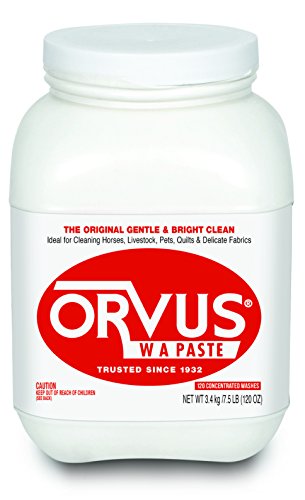

Orvus WA Paste is the gold standard in the museum and textile conservation world for a reason. This highly concentrated, neutral-pH surfactant is completely free of perfumes, dyes, and optical brighteners that can alter the chemical balance of antique fibers.
Because it rinses away with incredible ease, it leaves behind no residue to attract dirt or degrade the textile over time. When dealing with complex, multi-fiber pieces—like a Victorian-era wool and silk embroidery—this lack of residue ensures the fibers remain supple rather than stiff or brittle.
The primary tradeoff is the texture; as a thick paste, it must be thoroughly dissolved in warm water before the textile enters the basin. Failing to mix it properly can lead to “hot spots” of concentrated soap, which can be difficult to rinse out of dense, hand-spun fibers.
Eucalan No-Rinse: Best for Wool Heirlooms

Eucalan is a staple in the knitting community for its ability to clean wool without the mechanical stress of rinsing. By eliminating the need to agitate or wring out heavy, water-logged antique wool, it significantly reduces the risk of fiber breakage or accidental felting.
The formula includes lanolin, which acts as a natural conditioner for wool fibers that have lost their luster over decades of storage. It helps maintain the elasticity of aged fibers, preventing the dry, “crunchy” feeling that often accompanies older, neglected hand-knits.
While it is excellent for wool, use caution with plant fibers like cotton or linen. The added lanolin can occasionally leave a slight film on non-protein fibers, which might attract dust over a long period if not used sparingly.
Soak Wash: Top Plant-Derived No-Rinse Formula
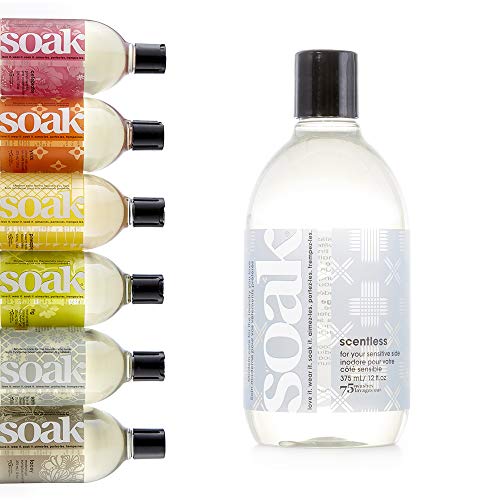
Soak Wash offers a modern, plant-based alternative that is exceptionally effective at removing organic soils and oils. Its gentle, low-sudsing chemistry makes it ideal for delicate vintage lace where heavy rinsing would risk tearing the fragile ground mesh.
The formula is incredibly transparent about its ingredients, which is vital for those concerned about potential reactions with antique dyes. It is a fantastic choice for cleaning vintage crocheted items that have been yellowed by skin oils or environmental exposure.
However, be mindful that “low-sudsing” does not mean “non-cleaning.” The temptation to over-use the product is high, but a little goes a long way; stick strictly to the recommended ratios to ensure the rinse-free process remains effective.
Forever New Powder: For Stubborn Stains & Odors

Forever New is a heavy-duty laundry solution that manages to remain remarkably safe for delicate items. It is specifically formulated to break down the proteins found in body oils and perspiration, which are the most common culprits behind localized yellowing on antique linens.
It is particularly useful for pieces that have been stored in cedar chests or attics, where musty odors have penetrated the fibers. Unlike standard household detergents, it does not rely on harsh bleaching agents to achieve this deep clean.
The powder format requires patience, as it must be fully dissolved before the fabric is introduced. If you are washing a precious heirloom, ensure the water is clear and the powder is 100% incorporated to avoid any localized bleaching effects.
Retro Clean: Restoring Yellowed Linens & Cottons

Retro Clean is not a detergent in the traditional sense, but an additive designed specifically to remove oxidation and yellowing from aged, natural fibers. It is the go-to solution for finding a stained heirloom tablecloth or a yellowed baby bonnet and bringing it back to a bright state.
It works by releasing soil at a molecular level, allowing the stains to float away into the rinse water. It is remarkably safe for cotton and linen, though it should be avoided for silk or wool, as it can be too aggressive for protein-based fibers.
The application process is a long-game approach, often requiring a soak of several hours or even overnight. Patience is the key factor here; rushing the process will not yield better results, but it may cause you to handle the wet fabric more than is strictly necessary.
Le Blanc Linen Wash: A Luxury Care Essential
Le Blanc Linen Wash is a specialized detergent crafted specifically for fine linens and vintage textiles that require a gentle touch. It excels at maintaining the “hand” or softness of the fabric while effectively neutralizing the acidity that often accumulates in old textiles.
It is highly effective for vintage heirloom bed linens and table runners that need to look crisp without becoming brittle. The formula is sophisticated enough that it doesn’t strip the natural oils from linen fibers, which is essential for preserving the fabric’s long-term strength.
The price point is significantly higher than standard detergents, making it a luxury choice for your most valuable pieces. Reserve this for your truly special historical textiles where the cost of the cleaning agent is an investment in the longevity of the object.
How to Test Your Textile for Colorfastness First
Before any antique textile touches a cleaning solution, you must verify that the dyes will not bleed. Even if a piece looks stable, modern detergents can react with century-old dyes in unpredictable ways.
Select a small, inconspicuous area, such as an inside seam or a hidden hem. Apply a small amount of the diluted cleaning solution to a white cotton swab and gently press it against the fibers for 30 seconds.
If any pigment transfers to the swab, the item is not colorfast. In such cases, professional conservation cleaning is the only safe path forward, as standard wet cleaning will likely cause significant damage to the design.
Why a pH-Neutral Soap Is Your Safest Choice
The pH level of your cleaning solution is a critical factor in chemical stability. Antique fibers, especially silks and wools, are sensitive to alkaline environments, which can cause them to swell and lose their structural integrity.
Most household detergents are alkaline, designed to cut through modern grease, but this alkalinity can strip away the natural protective properties of wool and silk fibers. A pH-neutral cleaner maintains the fabric’s natural state, preventing fiber degradation.
Over time, using high-pH detergents will make historic textiles brittle and prone to tearing along stress points. Always check the label for “neutral pH” to ensure the long-term chemical health of your fibers.
The Correct Way to Hand Wash Antique Fabric
Hand washing antique textiles requires a slow, deliberate touch. Fill a clean basin with cool to lukewarm water—never hot—and dissolve your chosen detergent completely before adding the item.
Submerge the piece gently, using a soft, pressing motion to circulate the water through the fibers. Never scrub, rub, or wring the fabric, as the structural integrity of ancient threads is significantly compromised when wet.
Once finished, carefully lift the item, supporting its entire weight to prevent stretching. Drain the basin, refill with clean, cool water for rinsing, and repeat the pressing motion until all traces of the cleaning solution are removed.
Safely Drying and Storing Your Cleaned Heirlooms
Drying is the stage where most damage occurs, as the weight of water can easily distort or tear an antique textile. Always lay the item flat on a clean, dry white towel, rolling it up to absorb excess moisture before unrolling it to finish drying on a fresh surface.
Keep the piece away from direct sunlight, which can fade dyes and make fibers brittle through UV exposure. Ensure the drying area has good airflow, but avoid high-heat sources like radiators or space heaters.
Once perfectly dry, store your textiles in acid-free tissue paper and archival boxes to prevent environmental damage. Avoid plastic containers, which trap moisture and can lead to mold or mildew growth, and keep them in a temperature-controlled space away from direct light.
Properly cleaning and maintaining your antique textiles is an act of stewardship that ensures these pieces of history survive for the next generation of makers. By choosing the right specialized detergent and handling your heirlooms with respect, you preserve the artistry of the past while keeping it ready for admiration.