6 Wool Dryer Balls For Softening Natural Fibers
Discover the best 6 wool dryer balls for softening natural fibers effectively. Improve your laundry routine today and shop our top eco-friendly recommendations now.
Caring for hand-knits requires a delicate balance between cleaning and preserving the integrity of the fibers. While blocking is the primary method for shaping garments, the drying process determines how those fibers ultimately feel against the skin. Wool dryer balls serve as a mechanical tool to soften laundered natural fibers without the chemical residue of commercial softeners. Mastering the transition from wet, heavy wool to a soft, finished garment hinges on understanding how these simple tools interact with your yarn.
Smart Sheep Dryer Balls: The Top-Rated Standard


Smart Sheep balls are the industry benchmark for a reason, offering a consistent density that holds up through hundreds of cycles. They are crafted from 100% premium New Zealand wool, providing a sturdy surface that effectively creates space between garments in the dryer.
For the knitter working with a large-gauge wool sweater, these balls help circulate air evenly. This prevents the “clumping” effect where heavy fibers become matted or stiff during the drying process.
The primary benefit here is reliability. They do not lose their structural integrity quickly, ensuring that you aren’t picking loose wool fibers off your finished project.
Friendsheep Eco-Fresheners: For a Bit of Whimsy
These dryer balls lean into the aesthetic side of the craft, often featuring hand-felted designs that bring a touch of personality to laundry day. Beyond the appearance, they are ethically sourced and offer a functional, soft surface that is gentle on delicate hand-knits.
If you enjoy the ritual of knitting, the charm of these balls complements the tactile pleasure of working with natural fibers. They function exactly as standard wool balls do, providing the necessary agitation to fluff up yarn piles.
They make an excellent gift for a fellow maker, combining utility with a nod to the fiber arts. Expect the same drying performance as traditional balls, with a bit more visual flair.
Woolzies XL Dryer Balls: Best for Bulky Knits
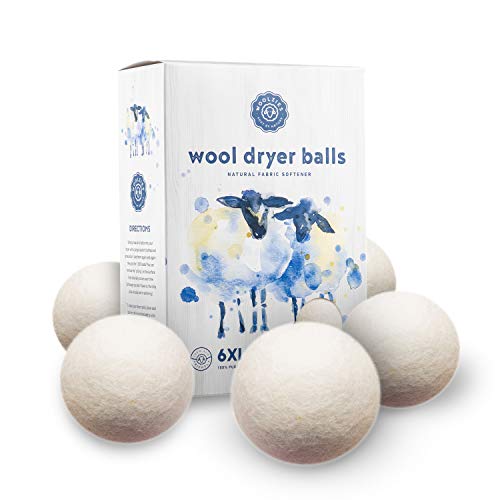
When tackling a bulky-weight blanket or a heavy cabled cardigan, standard-sized dryer balls often get lost in the folds of the fabric. The Woolzies XL size provides the extra mass required to tumble heavy, saturated garments effectively.
Greater mass means more efficient air circulation. This is crucial for avoiding the damp spots that often remain in the deep crevices of intricate cables or complex stitch patterns.
Because they are larger, you need fewer balls to achieve the same result. They are the practical choice for the knitter who prioritizes speed and efficiency when laundering heavy-duty winter projects.
LooHoo Wool Dryer Balls: Premium USA-Made Pick

LooHoo dryer balls represent a commitment to domestic craftsmanship, using high-quality wool sourced in the United States. They are particularly popular for those who prefer to track the origins of their fiber tools as closely as they track their yarn yardage.
The feel of these balls is slightly softer than some of the more compressed, industrial-grade options. This makes them a gentle choice for fragile hand-knits, such as those made from high-twist merino or delicate luxury blends like alpaca.
The manufacturing process results in a very durable felted surface that resists fraying. For a knitter with a closet full of expensive, hand-dyed yarns, this premium option offers peace of mind.
KnitPicks Wool Dryer Balls: A Crafter’s Choice

Designed specifically with the fiber artist in mind, these balls are engineered by a company that understands the specific needs of wool garments. They are balanced and dense, providing the exact amount of friction needed to soften stiff fibers.
The price point is often more accessible, making them a sensible choice for those who need a larger quantity for their laundry cycles. They are the workhorses of the knitting room, intended for frequent, everyday use.
They are an honest, no-nonsense tool. If you are looking for equipment that prioritizes function over fashion, these are the standard-bearers for your project stash.
Budieggs Dryer Balls: The Complete Starter Kit
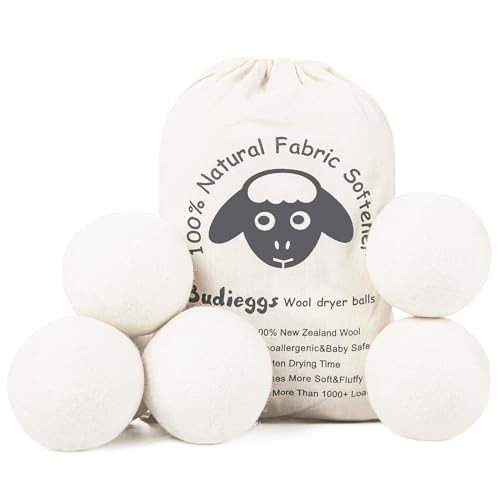
The Budieggs kit is ideal for a new knitter who is just beginning to build a collection of care tools. It often includes a set of balls alongside additional laundry accessories, providing a comprehensive solution for garment maintenance.
Having a set of six ensures that even a large load of garments remains well-separated. This prevents the friction that leads to unnecessary pilling on your finished sweaters or shawls.
Investing in a kit is a smart financial move if you have a high volume of hand-knits to maintain. It ensures you have enough coverage for the entire drying cycle from the start.
How Many Wool Dryer Balls Should You Actually Use?
The rule of thumb is to use between three and six balls, depending on the size of the load. A small load of socks or baby clothes requires only three, while a large load of bulky sweaters necessitates the full set of six.
Using too few balls means they won’t effectively circulate between layers of fabric. Using too many, however, can result in excessive noise and potentially uneven drying.
- Small Loads (1-3 items): 3 balls
- Large Loads (Full machine): 6 balls
Strive for a balanced, consistent distribution. The goal is to keep the garments tumbling freely rather than clumping into a singular, dense ball of wool.
Using Dryer Balls on Hand-Knits: A Safety Guide
Dryer balls are generally safe, but they must be used correctly to protect delicate hand-knit items. Always ensure the dryer is set to a low-heat or air-fluff cycle to prevent the felted wool of the balls—or the fibers of your garment—from shrinking or scorching.
Never overload the machine. If the dryer is too full, the balls cannot do their job, and your hand-knits will remain compressed and damp in the center.
Avoid using dryer balls on garments with loose, delicate lace work or long, fine fringes that might snag. For these items, flat-drying or air-drying is always the superior choice to maintain structural integrity.
Adding Scent to Your Dryer Balls The Right Way
If you prefer a light scent on your laundry, essential oils are the standard additive for wool dryer balls. However, never apply the oil directly to the balls right before putting them in the machine, as this can lead to oil stains on your yarn.
Apply a small drop of oil to the balls and allow them to dry for at least an hour before use. This allows the oil to soak into the core of the wool, ensuring a subtle, even diffusion rather than a concentrated spot of moisture.
Be cautious with the type of oil used. Pure, clear oils are safest; darker or highly resinous oils may leave residue on light-colored fibers.
How to Clean and “Recharge” Your Wool Dryer Balls
Over time, wool dryer balls may become covered in lint, especially if you wash a lot of synthetic blends or wool with high shed rates. Use a standard lint roller or a sweater stone to gently remove surface debris to keep them effective.
If they lose their spring or become too compressed, you can “recharge” them by washing them in a hot cycle with a little detergent and drying them on high heat. This encourages the wool fibers to felt further, expanding and firming the balls back to their original shape.
If the balls begin to fall apart or lose significant mass, it is time to replace them. While they are durable, they are not permanent, and their effectiveness is tied directly to their density and structural volume.
The thoughtful use of wool dryer balls allows a knitter to reclaim the soft, breathable quality of natural fiber projects after the wash cycle. By selecting the right size and density for the project at hand, you ensure that your hard work maintains its drape and texture for years of wear. Keep these tools clean, use them with proper heat settings, and your hand-knits will retain their premium feel indefinitely.