6 Best Replacement Tips For Stylus Sets To Use
Extend your stylus lifespan with these 6 best replacement tips for stylus sets. Read our expert guide now to maintain your precision and improve your experience.
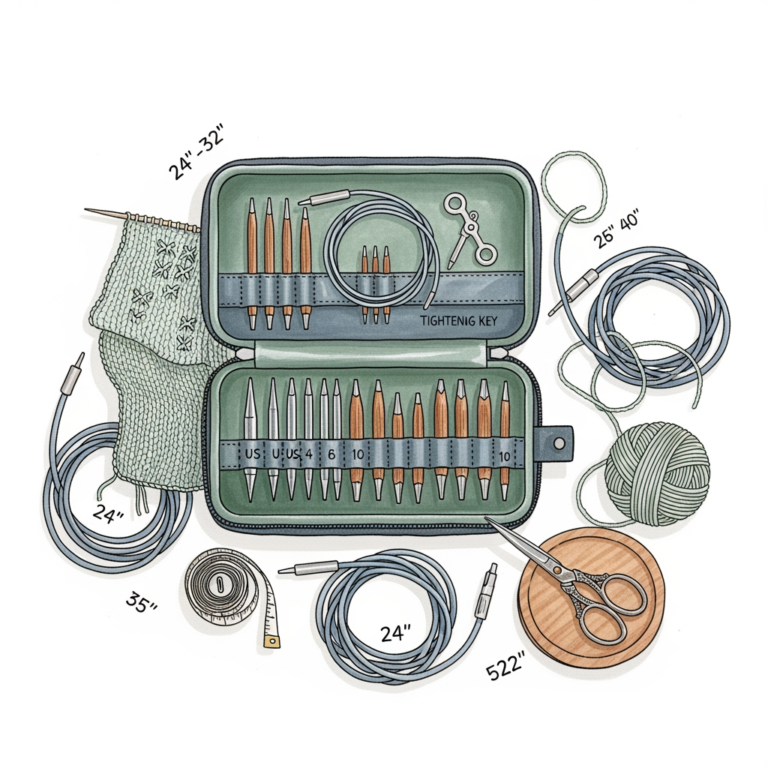
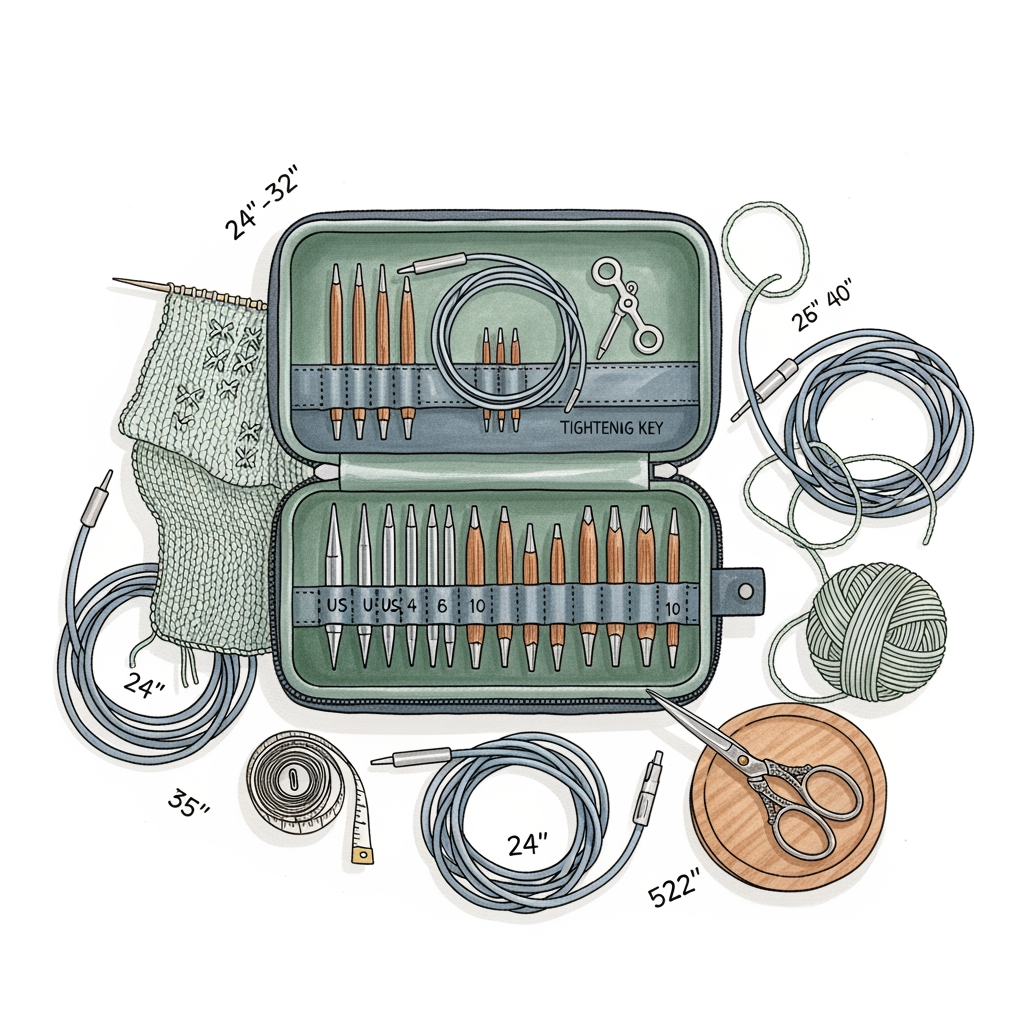
Interchangeable needle sets are the backbone of a serious knitting library, offering the flexibility to switch between projects without moving live stitches. Over time, tips may sustain damage, get lost, or simply fail to suit a specific yarn’s texture, necessitating a strategic replacement. Selecting the right replacement tip requires balancing the mechanical needs of the project with the physical behavior of the yarn fiber. Making the wrong choice can lead to hand fatigue, dropped stitches, or frustration during complex lace maneuvers.
ChiaoGoo TWIST Tips: Best for Lace and Sock Work


ChiaoGoo TWIST tips are synonymous with surgical precision, featuring a long, tapered point that excels when working with fine-gauge lace or tiny sock stitches. The stainless steel construction provides a smooth, frictionless surface that allows stitches to glide effortlessly across the needle.
These tips are particularly effective for knitters who frequently work with tightly spun, high-twist yarns or intricate cable crossings. The extreme point easily enters tight stitches, reducing the risk of splitting the yarn ply during delicate manipulations like K2tog or SSK decreases.
However, the sharpness can be a double-edged sword for those with a sensitive knitting style, as the tips may occasionally pierce the skin. If a project involves delicate or fragile fibers like alpaca or silk, the sheer point may catch on individual fibers if handled with a heavy hand.
Lykke Driftwood Tips: The Smoothest Wooden Choice

Lykke Driftwood tips offer a sophisticated, polished aesthetic combined with the warmth that only natural birchwood can provide. These needles feel comfortable in the hands during long knitting sessions, effectively reducing the fatigue often associated with metal needles.
The wood is treated to be exceptionally smooth, preventing the “drag” sometimes found in cheaper wooden needles. This makes them a superior choice for slippery yarns like cotton or bamboo that might otherwise slide off a metal tip too quickly.
While they are incredibly smooth, they do not possess the same inherent “grip” as raw bamboo. A knitter should opt for these when the project requires a balance between control and ease of movement, rather than when working with yarns prone to sliding off the needles.
KnitPro Symfonie Tips: Best All-Purpose Wood Option

KnitPro Symfonie tips are recognized for their vibrant, multi-colored laminated wood construction, which provides a beautiful visual aid for tracking stitches. This dense, compressed wood is surprisingly sturdy and resists warping, making it a reliable workhorse for a variety of yarn weights.
These tips occupy the middle ground in terms of slide; they offer enough friction to hold onto stitches securely while remaining polished enough to move yarn along efficiently. This makes them an excellent transition tool for beginners who find metal too fast but bamboo too sluggish.
The trade-off with laminated wood is that, over years of heavy use, the points can lose their sharpness or the finish can begin to show minor wear. They are best utilized for standard worsted-weight wool projects where the goal is consistent, steady progress.
Addi Click Turbo Tips: For Maximum Knitting Speed

Addi Click Turbo tips are engineered for speed, characterized by a rounded, slightly blunt tip and a high-shine, nickel-plated surface. These needles are the gold standard for knitters who prioritize velocity, such as those working on massive blankets or long stockinette rows.
The blunter tip design is forgiving, preventing the needle from splitting the yarn while moving at high speeds. It is an ideal configuration for plied wools that have a tendency to separate if the needle point is too aggressive.
Because these needles are incredibly slick, they can be difficult to manage with very smooth, synthetic fibers that are prone to jumping off the needle. If you choose these for a fast project, ensure the yarn has enough texture to provide a small amount of natural friction.
HiyaHiya Sharp Tips: The Ultimate in Precision

HiyaHiya Sharp tips are the definitive choice for the lace knitter who demands absolute accuracy when picking up stitches or navigating complex charts. The points are notably acute, allowing for the precise execution of multiple-stitch decreases.
These needles are made from high-quality stainless steel, offering a seamless join with the cables and a consistent, polished finish. The slim profile makes them feel light in the hand, which is helpful when working on heavy, large-scale projects that might otherwise feel cumbersome.
Users should be aware that the sharpness is significant, which may not be necessary for simple garter stitch projects. Use these when the project calls for technical detail, such as nupps, bobbles, or complex lace patterns where stitch definition is the priority.
KnitPicks Options: Best on a Budget Replacement

KnitPicks Options provide a comprehensive, modular system that allows for affordable expansion of a needle collection. The nickel-plated variety mimics the speed of higher-end metal needles, while the wood options provide a functional, cost-effective alternative for daily use.
These needles are highly accessible, making them a practical choice for knitters who are still experimenting with which material suits their tension best. They bridge the gap between entry-level sets and professional-grade tools without requiring a massive initial investment.
While the price point is attractive, the finish on the metal tips can eventually dull or chip with consistent, long-term exposure to acidic or highly processed yarns. They are a perfect entry point for building a collection but may eventually be supplemented by specialized tips for specific high-stakes projects.
Will New Tips Fit Your Existing Needle Cables?
Interchangeable systems rely on standardized threading and joining mechanisms, but these are rarely universal across brands. Before purchasing replacement tips, verify the threading mechanism and the specific diameter of the join to ensure a seamless transition.
- Threaded Joins: Most manufacturers use a screw-in mechanism; verify if the threads are male or female before purchase.
- Click/Snap Joins: Systems like Addi Click utilize a push-and-twist lock that is entirely proprietary.
- Adapter Potential: Some companies offer adapters that allow you to use one brand’s tips on another brand’s cables, though this can sometimes create a “bump” in the cord that snags yarn.
Always consult the manufacturer’s compatibility chart to avoid damaging the threads of your existing cables. A mismatched fit can lead to stitches catching on the join, which is a major point of frustration during a project.
Choosing Your Needle Material: Wood vs. Metal
The choice between wood and metal is often determined by the fiber being used and the knitter’s personal tension. Metal needles are inherently faster and better for fibers that drag, such as cotton or sticky wools, whereas wood needles provide friction for slippery yarns.
If you are a loose knitter, metal needles can cause you to lose stitches, while wood needles may help keep the stitches firmly in place until the next row. Conversely, tight knitters often find that metal needles make it easier to slide stitches, reducing the physical strain on the hands.
Always consider the weight of the project as well. Metal needles are heavier and can be fatiguing over long periods, whereas wooden needles are lightweight and warm to the touch.
Blunt vs. Sharp Points: What’s Right For You?
Point sharpness fundamentally alters how the needle interacts with the yarn structure. Sharp points are essential for lace and cables because they easily insert into stitches without damaging the yarn ply or missing a loop.
Blunt points are better suited for everyday knitting or when working with yarns that split easily, such as loosely spun singles. They allow the needle to glide through the stitch naturally, pushing the fibers aside rather than piercing them.
If a project involves a high volume of decreases or complex maneuverings, prioritize a sharper tip. If you are working on a relaxing, long-term project with a soft or fuzzy yarn, a blunter tip will likely result in a smoother, more enjoyable knitting experience.
How to Maintain Your Interchangeable Needle Set
Proper maintenance of interchangeable needles extends the life of the metal plating and the integrity of the wood finish. Always use a small tightening key to ensure the tips are locked securely to the cable before beginning a project, as loose joins are the primary cause of thread damage.
Store tips in a cool, dry place away from direct sunlight, which can dry out wooden needles and cause them to splinter over time. Periodically wipe metal tips with a soft cloth to remove skin oils and residue, which can cause them to become sticky or dull.
If a wooden needle starts to feel rough, a very light buffing with a fine-grit sandpaper or a touch of beeswax can often restore its smoothness. Regular inspections of your tips and cables prevent snags during the knitting process and ensure your favorite tools last for many years.
Selecting the right replacement tip is a journey of understanding how your tools interact with your unique style and chosen materials. By matching the needle material and point geometry to the specific needs of your project, you can elevate your knitting comfort and the quality of your finished work. Treat your tools with care, and they will support your growth as a maker for years to come.