6 Best Felt Lining Sheets For Custom Instrument Cases
Protect your gear with our expert guide to the 6 best felt lining sheets for custom instrument cases. Upgrade your storage setup and shop our top picks today.
Protecting a delicate instrument is much like safeguarding a hand-knitted heirloom; both require a stable, cushioned environment to prevent long-term damage from friction and shifting. Choosing the right lining material ensures that varnished wood and intricate hardware remain pristine regardless of how often a case is transported. The texture, density, and fiber content of the felt serve as the final barrier between a valuable tool and a harsh exterior shell. This guide examines the most reliable lining options to provide that essential layer of protection for every musician’s prized possession.
Acri-Luxe Felt Sheets: Best All-Purpose Liner


Acri-Luxe provides a consistent, medium-density surface that works exceptionally well for general instrument storage. It resists pilling, which is a major advantage if the instrument has sharp edges or metal components that might snag a less durable fabric.
Think of this material like a reliable, high-twist acrylic yarn—it holds its shape well and won’t stretch out of alignment over time. Because it is synthetic, it is inherently moisture-resistant, ensuring that humidity trapped inside the case doesn’t compromise the backing.
For those who prioritize longevity and ease of maintenance, this is the gold standard. It offers a professional look without the high cost of luxury fibers.
MerinoCraft Wool Felt: The Premium Choice
Merino wool offers a softness that synthetic alternatives simply cannot replicate. Its natural “loft,” or the air trapped within the fibers, provides a superior, non-abrasive cushion for high-end finishes like nitrocellulose lacquer.
If a project involves a vintage instrument that requires a breathable, non-reactive material, 100% wool felt is the only responsible choice. Unlike acrylics, wool has a natural elasticity that allows it to conform slightly to the curves of a guitar or violin neck without bunching.
Keep in mind that natural wool is sensitive to moths if stored in dark, damp areas for extended periods. Treat it with the same care one would give a prized Icelandic wool sweater.
Peel-N-Stick Felt: Easiest DIY Application
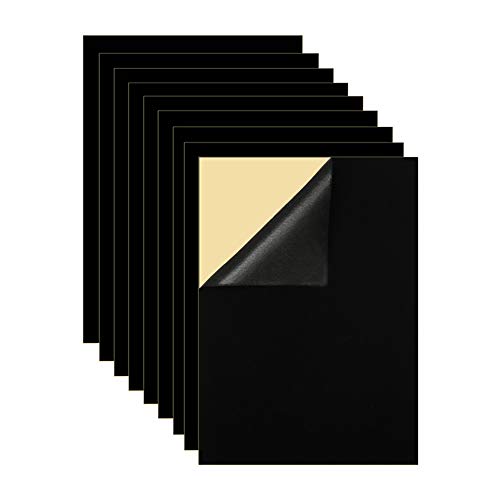
Peel-N-Stick sheets remove the variable of messy glue application, which is a common pitfall for beginners. The adhesive backing is pre-applied with industrial precision, ensuring a uniform bond across the entire surface of the case interior.
This is ideal for individuals who want to refresh an old, worn-out case lining without dismantling the entire interior structure. It is essentially the “superwash” option of lining materials: convenient, predictable, and functional for those who need a quick, effective solution.
Be aware that once these sheets are pressed into place, repositioning is difficult. Measure twice, cut once, and apply pressure slowly from the center outward to avoid air bubbles.
ArmorFelt 3mm Thick: Maximum Impact Protection
When the primary goal is physical shock absorption, density is the deciding factor. ArmorFelt’s 3mm profile acts as a heavy-duty bumper, effectively dissipating the energy of accidental bumps or drops before they reach the instrument.
This is analogous to using a heavy, multi-ply wool for a winter coat; it is built for endurance and structural integrity. The increased thickness provides a plush, deep-seated feel that makes the instrument sit snugly within the form-fit cutout.
Because of its mass, it is slightly more difficult to work with around tight corners or complex curves. Use it primarily for flat surfaces or larger cavity walls where maximum padding is required.
Crafti-Felt Value Pack: Best on a Budget
The Crafti-Felt Value Pack is the perfect choice for makers who are prototyping a custom case design or working on a multi-instrument setup. While the density is lower than premium options, it offers a clean aesthetic at a fraction of the cost.
This material is suitable for internal compartments or accessory trays where the item being stored is not as sensitive as the instrument itself. It is a workhorse material, much like basic cotton yarn, providing utility without unnecessary extravagance.
While it lacks the durability for heavy-traffic areas, it is easily replaceable. Keep a few extra sheets on hand to refresh high-wear areas annually.
Rainbow Felt Collection: Widest Color Selection
A custom instrument case should reflect the personality of the musician, and the Rainbow Felt Collection offers the full spectrum of options. Beyond the standard blacks and greys, these vibrant hues allow for a personalized interior that makes a professional statement.
Color selection isn’t just about aesthetics; it can also assist in high-contrast organization. Choosing a lighter color for the case interior makes it easier to spot dark, small items like picks, capos, or tuners in low-light stage environments.
Check the colorfastness of the felt if the case is likely to be exposed to high heat or direct sunlight. High-quality synthetic dyes are essential to prevent pigment transfer onto light-colored instrument finishes.
Choosing Felt: Wool vs. Acrylic vs. Blends
Choosing between fibers requires an understanding of how they interact with an instrument’s surface. Just as you wouldn’t use a rough fiber for a baby blanket, you must choose a lining that respects the finish of the wood.
- Wool: Best for breathability and protection of vintage finishes; naturally eco-friendly but requires monitoring for pests.
- Acrylic: Excellent for moisture resistance and color consistency; durable but can hold static electricity.
- Blends: Often the best of both worlds, providing the durability of synthetic fibers with the softer touch of wool.
Always consider the finish of the instrument. High-gloss finishes are prone to micro-scratching, necessitating a fiber with a soft, uniform nap.
How to Apply Felt Lining Without Wrinkles
The key to a professional, wrinkle-free application is tension and patience. Start by laying the felt across the surface and securing the center point, then work outward toward the edges using a soft tool to smooth the fabric.
Avoid pulling the felt too hard, as it can stretch and eventually snap back, causing the adhesive to lift. If the surface has complex curves, consider using small dart-cuts to help the fabric drape naturally without bunching.
If a wrinkle appears, do not attempt to force it flat; carefully peel back the section and re-lay it. A patient, methodical approach is the difference between a amateur repair and a professional-grade finish.
Adhesives 101: Which Glue Works Best for Felt?
The adhesive must be strong enough to hold the weight of the felt but flexible enough not to harden into a brittle, damaging layer. Spray adhesives are the most effective for full-sheet coverage, as they prevent the uneven saturation that liquid glues often cause.
Select a low-VOC, archival-safe spray adhesive to ensure that no off-gassing occurs within the enclosed space of the case. Off-gassing can potentially damage the finish of the instrument over time, particularly with aged varnishes.
If working with small areas, a thin application of contact cement is acceptable, but ensure it is completely cured before placing the instrument inside. Always test the adhesive on a scrap piece of fabric to ensure it doesn’t soak through and create a hard, crusty texture.
Keeping Your Felt Lining Clean and Dust-Free
Dust is the enemy of any instrument, acting like fine sandpaper when trapped between the case and the wood. Regular maintenance of the felt lining is as important as the cleaning of the instrument itself.
Use a soft-bristled brush attachment on a vacuum to gently lift debris from the fibers. Avoid using liquid cleaners, which can seep into the case structure and lead to mold or damage the instrument’s wood through excessive humidity.
If a lint roller is used, ensure it is a low-tack version to avoid pulling at the fibers of the felt. Proper care will ensure that the case remains a clean, safe haven for the instrument for many years to come.
Properly lining an instrument case is an investment in the longevity and aesthetic value of your equipment. Whether you prioritize the premium feel of wool or the utilitarian durability of synthetic blends, the right choice elevates the entire experience of ownership. Approach the process with the same level of care you would bring to a complex knitting project, and the results will endure for years.