6 Best Painter’S Tapes For Multi-Color Designs
Struggling with crisp lines for your next project? Discover the 6 best painter’s tapes for multi-color designs and achieve professional results. Read our guide now.
Achieving crisp, geometric color-blocking on fabric or hand-painted yarns requires more than just high-quality dye or fabric paint. Much like selecting the right needle material for lace versus colorwork, choosing the correct tape determines the success of a multi-color design. Precise masking prevents bleed, preserves delicate fibers, and ensures clean edges that elevate a handmade piece to professional standards. The following selection of tapes provides the necessary versatility for a variety of textile surfaces and project requirements.
ScotchBlue Original: Best Overall for Crafters


ScotchBlue Original serves as the workhorse for many fiber artists transitioning into fabric painting or yarn dyeing. It balances adhesive strength with a medium tack, making it suitable for standard cotton canvases or tightly woven linens.
If a project involves sturdy, non-delicate substrates, this tape provides enough hold to keep edges sharp during the application of heavy-bodied textile paints. It stands up to multiple layers of color without lifting prematurely.
However, note that its tack level is relatively high compared to specialty painter’s tapes. Avoid using it on hand-dyed wools or fragile fibers that might pill or pull when the tape is removed.
FrogTape Multi-Surface: For the Cleanest Lines

FrogTape contains absorbent polymers that react with the moisture in liquid dyes or paints to create a micro-barrier. For those creating crisp geometric lines on fabric, this mechanism provides a distinct advantage by physically blocking the liquid from creeping under the tape edge.
This tape is a superior choice when working with fluid, high-flow fabric dyes that are prone to capillary action. If the goal is a sharp, graphic aesthetic, the investment in this specific chemical barrier is worth the result.
Keep in mind that the adhesive is quite strong. Always test a swatch of the fabric first to ensure the removal process does not disrupt the fiber integrity or leave behind an oily residue.
Scotch Delicate Surface: Best for Silks & Wools
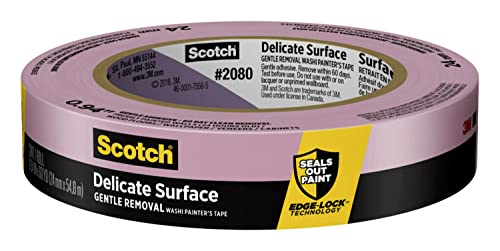
When working with delicate fibers like silk, angora, or high-twist merino, aggressive adhesives are the enemy. Scotch Delicate Surface is designed with a low-tack adhesive that releases cleanly without plucking fibers from the surface of the textile.
Think of this as the equivalent of using wooden needles for slippery silk yarn; the goal is control without damage. It provides enough grip for precise masking while ensuring that the underlying fiber structure remains intact.
This tape is best suited for lighter applications where long-term, heavy-duty masking is not required. It is the safest bet for protecting the finish of high-end, luxury yarns during a dyeing or painting session.
Duck Brand Clean Release: No Sticky Residue

Residue is the primary concern for any artist using tape on textiles, as sticky spots can attract dust and lint permanently. Duck Brand Clean Release is engineered specifically to prevent the transfer of adhesive to the substrate.
The adhesive remains stable even if the fabric needs to sit under a heat lamp or in the sun to cure the paint. This prevents the “gumming” that often ruins hand-dyed projects after the tape is peeled away.
This tape performs reliably on synthetic blends and cotton alike. It offers a middle-ground tack that is neither too aggressive nor too loose, making it a dependable choice for general multi-color work.
IPG ProMask Blue: A Durable, Pro-Level Choice
IPG ProMask Blue offers a level of durability that is favored in professional settings where high tension is applied. It adheres firmly to various textures, providing a rigid boundary for complex, multi-layered color designs.
The backing is thicker than consumer-grade alternatives, which helps prevent the tape from tearing or stretching when pulled tight across a frame. This is particularly useful when masking large sections of fabric for structured, block-printed patterns.
Because it is a professional-grade product, the hold is quite firm. Use it on structured, pre-shrunk fabrics rather than loose-gauge knits to avoid unwanted tension or distortion on the textile.
Shurtape CP-27: Great Performance on a Budget
Shurtape CP-27 is a crepe-paper masking tape that offers consistent results without a high price tag. For experimental projects or initial color tests where a significant amount of tape is consumed, this option remains cost-effective.
It offers good adhesion to fabric, but it lacks the advanced “bleed-resistant” chemical technology found in premium tapes. If using this, keep the paint application light and avoid over-saturating the masked edges to prevent seepage.
This is an excellent option for beginners who are still mastering the mechanics of masking. It allows for multiple attempts at a design without the financial strain of more expensive specialty tapes.
How to Prep Fabric Before You Start Taping
Preparation is as essential to fabric painting as blocking is to a finished sweater. Start with a clean, pre-washed surface to remove any factory sizing or oils that might inhibit the tape’s adhesive.
Ensure the fabric is completely dry before applying any tape. Even a trace amount of moisture in the fibers will weaken the bond, leading to paint bleeding under the edges regardless of the tape quality used.
If possible, iron the fabric flat to eliminate wrinkles or folds. An uneven surface creates gaps under the tape, allowing paint to migrate and ruining the crispness of the design.
Delicate vs. Multi-Surface Tape: Which to Use?
Selecting the right tape depends entirely on the fiber content and the weight of the textile. Multi-surface tapes are generally thicker and possess a higher tack, ideal for heavy-duty cottons or tightly woven linens.
Delicate surface tapes are formulated with lighter adhesives that prioritize the preservation of the fiber surface. Use these when working with animal fibers, open-weave fabrics, or yarns that show damage easily.
Always follow a simple rule: if the fabric has a high nap or a fuzzy surface, choose a low-tack delicate tape. If the fabric is smooth and synthetic, a standard multi-surface tape will yield better, more stable lines.
Tips for Applying Tape to Prevent Paint Bleed
Applying the tape is only half the battle; the bond must be completely airtight. Use a credit card or a plastic burnisher to press down firmly along the edges of the tape to ensure a tight seal against the fabric texture.
Apply paint or dye in thin, buildable layers rather than one heavy, wet application. A heavy “puddle” of paint will eventually seep through or under even the best tape, blurring the intended sharp edges.
If the design is intricate, remove the tape while the paint is still slightly damp. Allowing the paint to dry completely can create a hard, brittle film that may crack or pull at the paint line when the tape is removed.
Safely Removing Tape from Your Finished Project
Slow and steady is the golden rule for tape removal, much like slowly unraveling a tight knot in tangled yarn. Pull the tape back at a 45-degree angle rather than pulling it straight up; this minimizes the stress placed on the fabric fibers.
If the tape feels stuck, apply a small amount of heat using a hairdryer to soften the adhesive before continuing. This reduces the risk of lifting fibers or tearing the fabric surface.
Finally, inspect the edges for any remaining adhesive. If any stickiness persists, a quick rinse with cold water or a gentle rub with a soft cloth is usually enough to return the fabric to its clean, intended state.
Mastering the use of painter’s tape on textiles opens up a vast world of creative possibilities, from intricate color-blocked scarves to custom-painted garment panels. By choosing the right adhesive for the specific fiber and following careful application techniques, you ensure that every color-change is precise and every piece remains a beautiful, lasting work of art.