
6 Best Swift Clamps For Stable Winding Worth Having
Discover the 6 best swift clamps for stable winding. This guide evaluates top models to ensure precision, durability, and efficiency for your projects.
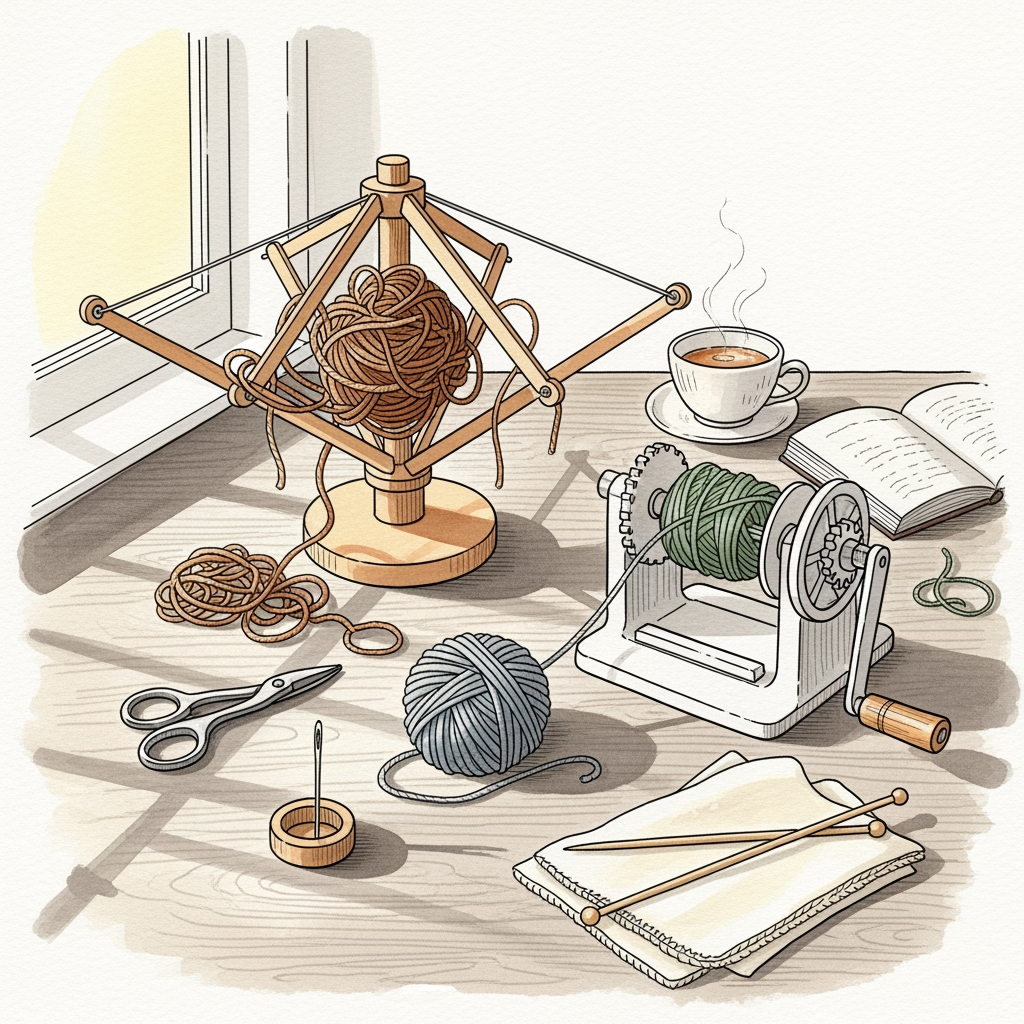
Winding a delicate, hand-dyed skein of wool into a center-pull cake is a ritual that sets the stage for a successful project. Without a stable swift, you risk frustrating tangles and uneven tension that can ruin your gauge before you even pick up your needles. Investing in a reliable clamp is the secret to transforming a messy hank of yarn into a smooth, professional-looking cake. These six options represent the gold standard for keeping your fiber secure and your winding process stress-free.
Stanwood Needlecraft Tabletop Clamp: Best Overall


The Stanwood Needlecraft clamp is a favorite in my studio because it strikes the perfect balance between grip and ease of use. Its design is intuitive, allowing you to secure it to almost any table edge without needing a mechanical engineering degree.
When you are winding a slippery silk-blend or a bouncy superwash merino, you need a base that doesn’t wobble. This clamp holds the swift firmly in place, ensuring that even when you hit a snag in the yarn, the entire apparatus stays grounded.
The bottom line: It is the most reliable "set it and forget it" tool for the average knitter. If you value consistency, this is the first one I recommend.
Amish-Style Wooden Swift Clamp: Best for Stability

There is something inherently satisfying about the tactile experience of an Amish-style wooden swift. These are typically held down by their own weight and a clever clamping mechanism that utilizes the natural friction of wood against wood.
Because they are often wider and heavier than their plastic counterparts, they provide a very stable footprint. This stability is crucial when working with large, heavy skeins of wool or high-yardage lace weight yarns that can otherwise pull a flimsy swift off the table.
Keep in mind that wooden swifts require a bit of care. If you live in a very dry or humid climate, the wood may expand or contract, so check your clamp tension before every winding session.
Lacis Heavy-Duty Metal Clamp: Best for Durability

If you are a prolific knitter who winds yarn daily, a metal clamp is your best friend. The Lacis heavy-duty option is built to withstand years of abuse, standing up to the constant torque of high-speed winding.
Unlike plastic components that might crack under pressure, this metal construction offers a rigid, uncompromising hold. It is particularly effective if your primary workspace is a thick, heavy dining table where smaller clamps might struggle to find a secure purchase.
While it lacks the aesthetic warmth of wood, its longevity is unmatched. For the knitter who wants to buy a tool once and never think about it again, this is the clear winner.
KnitPicks Yarn Swift Clamp: Best Budget Option

The KnitPicks clamp is a testament to the fact that you don’t need to break the bank to get a professional result. It is lightweight, portable, and designed specifically for the standard tabletop surfaces found in most homes.
This is an excellent choice for a beginner or someone who only winds yarn occasionally. It gets the job done efficiently and packs away into a small drawer, making it ideal for those of us with limited crafting space.
Just be aware that because it is lightweight, you should avoid "power winding" with it. Keep your pace steady and controlled to prevent the clamp from shifting during use.
Strauch Fiber Equipment Clamp: Best Professional

When you move into the realm of high-end fiber equipment, Strauch sets the bar for precision. This clamp is designed for the serious maker who demands absolute stability and smooth, friction-free rotation.
It is engineered with a level of detail that makes winding even the most delicate hand-spun yarn feel effortless. The clamping mechanism is robust, ensuring that the swift remains perfectly vertical, which prevents the yarn from slipping off the arms.
If you are a professional indie dyer or a dedicated crafter who processes dozens of skeins a month, this is an investment in your sanity. It is the gold standard for those who view yarn preparation as a craft in itself.
Ashford Table Swift Clamp: Best Versatile Choice

Ashford is a legendary name in the spinning and weaving community, and their clamp reflects that heritage. It is incredibly versatile, fitting a wide range of table thicknesses, from thin folding tables to thick, antique desks.
The design is elegant and functional, allowing for quick adjustments mid-winding if you realize your yarn cake is becoming uneven. It is a workhorse that feels just as at home in a professional studio as it does on a kitchen island.
Its greatest strength is its adaptability. If you frequently travel to workshops or knit in different rooms of your house, this clamp offers the most flexibility.
How to Properly Secure Your Swift for Winding
The most common mistake I see is clamping the swift to a surface that is too thin or unstable. Always ensure your table edge is sturdy and free of debris, as even a small amount of dust can reduce the friction needed for a solid grip.
When tightening the clamp, do not over-tighten to the point of marring your furniture. You want a firm, immovable connection, but you should also protect your table with a small piece of felt or rubber if the clamp doesn’t have a padded foot.
Finally, place your swift at a distance from your ball winder that keeps the yarn under light, consistent tension. If the yarn is too slack, it will tangle; if it is too tight, you will stretch the fibers and ruin your gauge.
Essential Tips for Preventing Yarn Tangling
Tangles usually happen because the swift is spinning too fast or the yarn is catching on a rough edge. Before you start, inspect your swift arms for any splinters or burrs that could snag delicate mohair or high-twist plies.
Always remove the labels from your skein carefully, ensuring no stray bits of paper or tape are caught in the yarn. If you are winding a very large skein, use a swift that allows you to adjust the diameter so the yarn remains taut but not stretched.
If you do encounter a tangle, stop immediately. Trying to power through a knot is the fastest way to turn a small hitch into a massive, unfixable mess.
Comparing Metal vs Wood Swift Clamp Designs
Metal clamps are generally more durable and offer a tighter, more precise fit for high-intensity use. They are ideal for heavy-duty, long-term applications where the tool will see constant wear and tear.
Wooden clamps offer a more natural, aesthetic appeal and often provide better grip on wooden tables due to the material’s inherent friction. However, they are susceptible to environmental changes and require more maintenance to keep the moving parts smooth.
Choosing between them comes down to your personal environment and how much you value longevity versus the tactile experience of natural materials. Both will serve you well if they are maintained properly.
Troubleshooting Common Swift Winding Issues
If your swift keeps slipping, check the tension of the clamp first. Often, the issue isn’t the swift itself, but the surface you have chosen to attach it to, which may be too slick or too thin.
If your yarn cake is coming out lopsided, check that your swift is centered with your winder. The yarn should flow in a straight line; any angle in the path will cause the tension to fluctuate, resulting in a cake that collapses or tangles.
Lastly, if your yarn is "popping" off the arms, your swift diameter is likely too small. Expand the arms until the skein is held firmly, but never force the expansion to the point where the yarn is under significant tension.
Finding the right swift clamp is about matching your tool to your specific knitting habits and workspace. Whether you choose the rugged reliability of a metal clamp or the classic feel of a wooden design, the goal remains the same: a smooth, tangle-free winding experience. By taking the time to secure your equipment properly, you protect your precious yarn and ensure your project starts on the right foot. Happy winding, and may your yarn cakes always be perfectly tensioned.
