6 Best Loom Cleaning Brushes For Lint Removal
Keep your loom in top shape with our guide to the 6 best cleaning brushes. Discover tools that effectively remove lint to ensure smooth, high-quality weaving.
A loom that is clogged with fiber dust and stray bits of yarn is more than just an eyesore; it can actually impede the smooth movement of your warp threads and cause unwanted friction. Over my two decades in the fiber arts, I have learned that the longevity of your equipment is directly tied to how well you maintain the delicate components of your loom. Choosing the right brush is the first step in ensuring your shed remains clean and your tension stays consistent project after project. Here are the top tools to keep your weaving station in peak condition.
Schacht Spindle Company Hand Carder Brush
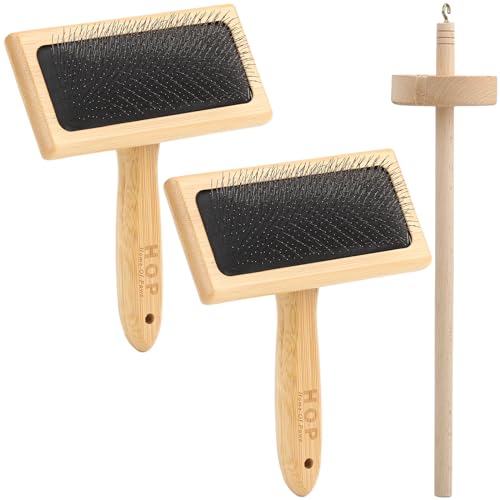

This tool is a classic for a reason, primarily because it is designed to handle the dense, stubborn fibers that often accumulate in the teeth of a reed. While it is technically a carding tool, its stiff, wire-like bristles are unmatched for pulling out compacted lint that softer brushes simply glide over.
If you are working with sticky, high-friction wools that shed significantly, this brush will be your best friend. It reaches deep into the crevices of the beater bar, where tiny fiber fragments love to hide and create tension inconsistencies.
However, use this with caution on wooden frames. Because the bristles are quite aggressive, you must be careful not to gouge the wood or snag the delicate finish of your loom.
Ashford Traditional Loom Cleaning Brush

Ashford has mastered the art of the "gentle but effective" clean, and this brush is a staple in many weaving studios for a reason. It features a ergonomic handle that makes reaching those awkward corners of a rigid heddle or floor loom much less of a strain on your wrists.
The bristles are firm enough to dislodge surface dust but soft enough that you won’t worry about scratching the wood. It is the perfect "everyday" tool to keep next to your loom for a quick sweep after every weaving session.
It isn’t designed for heavy-duty, deep-seated grime, but for daily maintenance, it is hard to beat. It strikes that ideal balance between utility and protection for your equipment.
Leclerc Looms Stiff Bristle Cleaning Tool
Leclerc produces heavy-duty equipment, and their cleaning tools are built with the same industrial mindset. This brush features a very stiff bristle configuration that is specifically intended for the hard-to-reach areas of a complex multi-shaft loom.
When you are working with fibers that produce a lot of "fly" or dust—like unwashed alpaca or certain plant fibers—this brush is essential. It clears the path for your warp threads, ensuring that no stray lint causes a snag or a dropped thread during your next pass.
Because it is quite stiff, it is best reserved for the metal parts of the loom, like the reed or the heddles. Avoid using it on delicate, hand-painted, or soft-wood components where you want to preserve the finish.
Harrisville Designs Wooden Loom Brush

There is something deeply satisfying about using a wooden-handled brush that feels like an extension of the loom itself. Harrisville Designs focuses on longevity, and this brush is designed to last as long as the looms they are famous for manufacturing.
The bristles are medium-firm, making them versatile enough for both the wooden frame and the metal hardware. It is a great "all-rounder" for those who don’t want to switch between multiple tools while cleaning their workspace.
If you prefer a natural aesthetic in your studio, this tool fits right in. It is sturdy, reliable, and does exactly what it promises without any unnecessary bells or whistles.
Glimakra Nylon Bristle Maintenance Brush

Glimakra looms are legendary for their precision, and their maintenance tools follow suit. This nylon-bristled brush is excellent because it is anti-static, which is a major advantage when you are dealing with synthetic fibers or dry, winter air.
Static electricity can make lint cling to your loom like a magnet, but these nylon bristles help lift the dust away rather than just pushing it around. It is particularly effective for cleaning the complex mechanisms of a countermarche loom.
Since nylon is durable and resistant to moisture, you can even use this with a slightly damp cloth for a deeper clean. Just ensure the loom is thoroughly dried afterward to prevent any warping of the wood.
Kromski Loom Maintenance Detail Brush
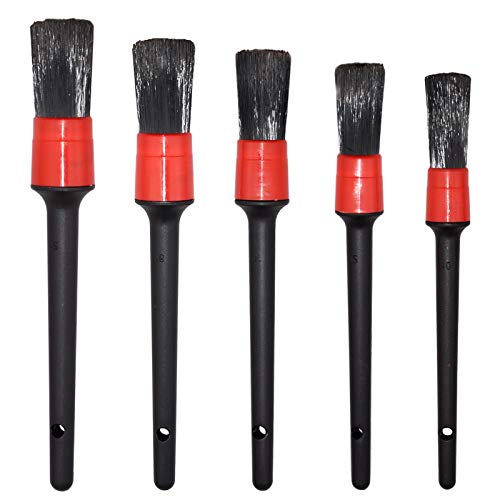
Sometimes, the buildup happens in the tightest, most inaccessible spots, like the eye of a heddle or the grooves of a tension box. The Kromski detail brush is slim and precise, allowing you to target those tiny areas where lint can cause major tension headaches.
If you are a knitter who has transitioned to weaving, you will appreciate the detail-oriented nature of this tool. It feels almost like a small paintbrush, giving you the control to flick away debris without disturbing the surrounding warp threads.
It is not a tool for large-scale clearing, but for fine-tuning your loom’s performance, it is indispensable. Keep it in your notions bag for those moments when your shed just doesn’t feel quite right.
Why Proper Loom Maintenance Matters for Fibers
Lint is more than just a nuisance; it acts as an abrasive agent that can wear down your warp threads over time. When you leave debris in your reed or heddles, every time you beat the shed, you are essentially dragging that grit across your yarn.
For delicate fibers like silk or fine mohair, this friction can cause breakage or fuzzy, uneven transitions in your cloth. Keeping your loom clean ensures that your fibers remain pristine from the start of the project to the final pick.
Think of it like cleaning your knitting needles; you wouldn’t want sticky residue on your needles while working with lace weight yarn. The same logic applies to your loom—clean tools produce a cleaner, more professional fabric.
Essential Tools for Keeping Your Loom Lint-Free
Beyond just a brush, a well-stocked maintenance kit should include a few other items to keep your loom in top shape. A small, soft-bristled paintbrush is excellent for dusting off the top of the castle and the breast beam.
I also highly recommend keeping a can of compressed air nearby for blowing out the deep, hard-to-reach corners of the frame. Just be mindful to do this before you have a warp dressed on the loom, as the blast of air can displace your tension.

- Microfiber cloths: For wiping down wooden surfaces without leaving lint behind.
- A vacuum with a hose attachment: For clearing the floor and the base of the loom.
- A small pick or hook: To manually remove stubborn, tangled bits of fiber from the reed.
How to Clean Delicate Warp Threads Safely
If you notice lint buildup while you are in the middle of a project, you must be extremely careful. You don’t want to use a stiff brush directly against the warp, as this can cause the threads to fray or shift out of their intended order.
Instead, use a very soft, natural-hair brush to gently flick the lint away from the warp threads. If the lint is stuck to the threads themselves, use your fingers to gently roll the debris off rather than pulling at it, which can cause snapping.
Always move in the direction of the warp, never against it. This keeps the fibers of your yarn smooth and prevents the "fuzzy" look that comes from damaging the ply of the yarn during cleaning.
Best Practices for Seasonal Loom Deep Cleaning
Once or twice a year, it is worth doing a "deep dive" into your loom’s maintenance. This involves removing the reed, taking off the heddles if possible, and giving every individual component a thorough inspection.
This is the time to check for any burrs on the metal parts or splinters on the wood that could snag your yarn. Use a fine-grit sandpaper to gently smooth out any rough spots you find on the wooden frame, and then apply a light coat of furniture wax to keep the wood nourished.
Consistency is key; if you clean your loom after every project, you will rarely need to perform a massive, time-consuming overhaul. Treat your loom with the same care you give your favorite set of needles, and it will reward you with years of beautiful, snag-free weaving.
Maintaining your loom is an act of respect for the beautiful fibers you choose to work with. By incorporating these brushes into your routine, you ensure that your equipment remains a reliable partner in your creative process. Whether you are weaving complex patterns or simple, meditative yardage, a clean loom is the foundation of a successful project. Take the time to care for your tools, and your weaving will surely reflect that attention to detail.