7 Best Olive Oil Soaps For Wet Felting Lubrication
Discover the 7 best olive oil soaps for smooth wet felting. Learn how these gentle, natural lubricants protect fibers and ensure a perfect, durable finish.
Wet felting is an alchemical process where patience and the right lubricant transform loose wool fibers into a dense, durable fabric. As a fiber artist, you quickly learn that the soap you choose is just as critical as the quality of your roving or the warmth of your water. The right olive oil soap provides the necessary slip to encourage fiber migration without stripping the natural lanolin from your wool. Choosing the wrong surfactant can leave your hands dry or, worse, prevent your project from reaching a firm, professional-grade felt.
Dr. Bronner’s Pure-Castile Liquid Soap for Felting


Dr. Bronner’s is a staple in many fiber studios because it is incredibly reliable and easy to dilute. Its concentrated formula means a single bottle will last through countless felting projects, from delicate nuno scarves to heavy-duty vessels.
Because it is a true Castile soap, it is gentle on the fibers and your skin. However, be mindful that it is quite potent; if you use too much, you will spend an eternity rinsing the suds out of your finished piece.
Pro-tip: Start with a very small amount in your warm water. If the fibers aren’t sliding easily, add a drop more, but don’t overdo it or you’ll lose the friction needed to lock those scales together.
Kirk’s Original Coco Castile Bar for Fiber Work

Kirk’s is a classic choice for those who prefer a bar soap over a liquid. It creates a rich, stable lather that stays consistent throughout the entire agitation process.
The coconut oil content provides excellent lubrication, which is essential when you are working on large-scale projects like felted bags or hats. It helps the fibers glide over one another without snagging or creating unwanted pilling on the surface.
While it’s a powerhouse for felting, it can be slightly more drying to the hands than a pure olive oil blend. Keep a good hand cream nearby if you’re planning a long afternoon of felting.
Marseille Soap Cubes: The Traditional Felting Choice

If you want to feel like a traditional artisan, Marseille soap is the gold standard. These large, hard cubes are made with a high percentage of olive oil, providing a silky slip that is unmatched.
The beauty of these cubes is their longevity and purity. They don’t contain synthetic fragrances or dyes that might interact with delicate wool dyes, ensuring your project colors stay vibrant and true.
Because they are hard, you’ll need to rub the bar directly onto your wet wool or dissolve a shaving in hot water. It’s a bit of extra effort, but the smooth, controlled felting action is well worth the ritual.
Olive Oil Castile Soap by Vermont Soap for Felting
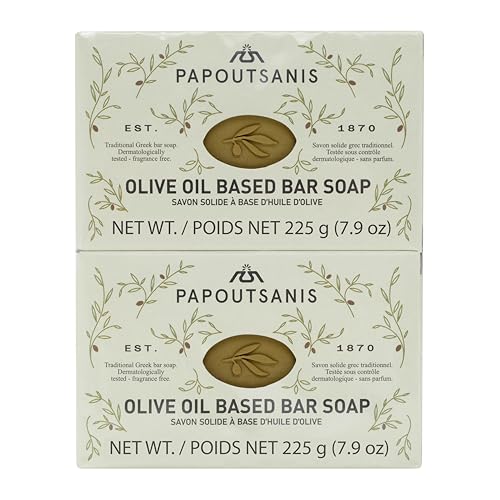
Vermont Soap offers a clean, organic option that is perfect for those sensitive to chemicals. It is specifically formulated to be gentle, which makes it an excellent choice for felting fine merino or luxury fibers like silk blends.
This soap doesn’t create excessive bubbles, which is actually a benefit for felting. You want lubrication, not a mountain of foam that obscures your work and makes it difficult to feel the progress of the felting process.
It’s a premium product, so it is best reserved for your heirloom projects. If you are felting a simple practice swatch, a more economical option might suffice, but for high-end garments, this is a top-tier choice.
One With Nature Dead Sea Mud Soap for Wet Felting
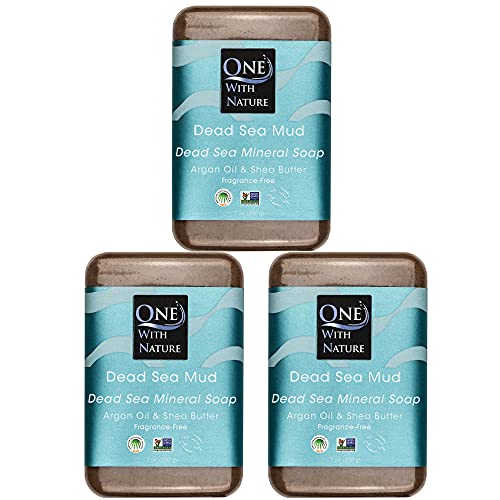
This is a bit of a wildcard in the felting world, but the mineral content in the mud can actually help provide a bit of "grip" when you need it. It’s not just about lubrication; sometimes you need the fibers to catch just enough to start the locking process.
The soap is very smooth, but the fine mineral particles act as a mild abrasive. This can speed up the felting process on stubborn, coarser wools that are resistant to shrinking.
Avoid using this on very light-colored wools, as the dark minerals could potentially leave a faint tint. For darker or earthy-toned projects, it’s a fantastic tool to have in your kit.
Castelbel Porto Olive Oil Soap for Smooth Felting

Castelbel Porto is known for its high-quality ingredients and luxurious feel. When you use this for felting, you’ll notice that the wool stays soft and supple throughout the entire process.
This is particularly important if you are felting items that will be worn against the skin, such as sweaters or scarves. The olive oil helps maintain the integrity of the fiber, preventing that "crunchy" feeling that can occur with harsher detergents.
It’s a treat for your hands, too. If you are spending hours rubbing fibers, your skin will appreciate the moisturizing properties of the olive oil base.
Tom’s of Maine Natural Beauty Bar for Felt Projects
Tom’s of Maine is widely available and a very accessible entry point for beginners. It is a gentle, natural soap that provides enough slip to get the job done without any complicated preparation.
It’s great for smaller projects where you don’t want to invest in specialized supplies. It rinses out cleanly, which is a major advantage when you are working with thick, multi-layered felted items that are hard to wash.
While it may not have the professional-grade "slip" of a traditional Marseille cube, it is perfectly adequate for most hobbyist applications. It’s a reliable, no-fuss choice for your workbench.
Why Olive Oil Soap Is Essential for Wet Felting
Wet felting relies on the interaction between the scales of the wool fiber and the lubricant. Olive oil soap is ideal because it lowers the surface tension of the water, allowing it to penetrate the wool fibers more effectively.
Unlike synthetic detergents, which can be too aggressive and strip the wool of its natural oils, olive oil soap maintains the fiber’s elasticity. If you strip the wool too much, it becomes brittle and prone to breaking during the agitation phase.
- Maintains fiber health: Keeps the wool soft and pliable.
- Controlled friction: Provides the perfect balance of slip and catch.
- pH balance: Generally safer for both the fiber and the maker’s hands.
How to Properly Dilute Soap for Optimal Felting
The biggest mistake beginners make is using too much soap. You are looking for a "slick" feeling, not a bubble bath.
A good rule of thumb is to dissolve one tablespoon of soap shavings or liquid into a quart of hot water. You want the water to feel slightly soapy to the touch, but it should not be thick or overly viscous.
If your project feels "stuck" or isn’t shrinking, don’t just add more soap. Check your water temperature first; heat is often more important than the amount of soap for encouraging the fibers to migrate and lock.
Troubleshooting Common Wet Felting Soap Issues
If you find that your project is full of suds but isn’t felting, you have likely used too much soap. The soap is creating a barrier between the fibers, preventing them from tangling.
To fix this, rinse the project thoroughly in warm water to remove the excess soap, then continue the felting process with plain, hot water. You’ll be surprised at how quickly the fibers begin to lock once the excess surfactant is removed.
Conversely, if your hands are cracking or the wool feels "thirsty" and snaggy, you may need a soap with a higher oil content. Always ensure your water is warm enough; cold water will make the wool fibers sluggish, regardless of the soap you choose.
Finding your perfect felting lubricant is a process of experimentation, much like finding the right needle for a specific yarn weight. Start with a simple, high-quality olive oil soap and pay close attention to how your wool reacts to the friction. Over time, you will develop an intuitive sense for the perfect "slick" that turns loose roving into a finished work of art. Happy felting, and enjoy the transformative magic of the process.