7 Best Notebook Planners For Project Notes To Use
Boost your productivity with our top 7 notebook planners. Discover durable, organized layouts perfect for tracking project notes and meeting your key goals.
Every knitter knows the frustration of losing a scrap of paper containing vital gauge swatches or row counts mid-project. A dedicated notebook transforms your craft from a series of disjointed efforts into a curated archive of your creative evolution. By tracking your tension, modifications, and fiber choices, you build a personal library of what works best for your hands. These seven planners offer the perfect structure to capture the magic of your knitting journey.


The Knit Notes Journal: Best For Project Tracking
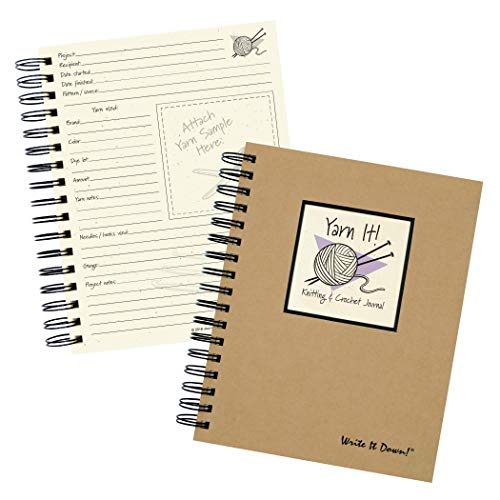
This journal is designed specifically for the knitter who wants to document the entire lifecycle of a garment. It provides dedicated fields for yarn labels, needle sizes, and those crucial pre-wash versus post-wash gauge measurements.
When you’re working on a complex colorwork sweater, having a place to tape your yarn swatches and record the specific dye lot is invaluable. It removes the guesswork when you inevitably need to go back and fix a dropped stitch three months later.
The trade-off here is the structure; if you prefer a blank canvas for free-form notes, these rigid boxes might feel restrictive. However, for those who struggle with "project amnesia," the guided prompts ensure you never forget to log your total yardage used.
Cocoknits Maker’s Journal: Best For Organization
The Cocoknits system is less of a notebook and more of a modular command center for your knitting life. Its genius lies in the ability to move pages around, allowing you to keep your current WIP (Work In Progress) notes at the very front of the binder.
I find this system particularly helpful when juggling multiple projects with different needle types, from slippery nickel-plated tips to grippy bamboo. You can tuck your pattern printouts, needle gauges, and progress notes into one cohesive, professional-looking binder.
Keep in mind that this is a bulky system compared to a slim notebook. It’s perfect for your home studio but might be overkill if you’re looking for something to toss into a small project bag.
Moleskine Pro Collection: Best For Sketching Ideas

If your knitting process begins with a pencil sketch of a silhouette or a complex lace chart, the Moleskine Pro is your best ally. The paper quality is high enough to handle ink without bleeding, making it ideal for mapping out custom stitch patterns.
Many knitters find that sketching the construction of a garment helps them understand how the pieces will fit together before they ever cast on. It forces you to think about the drape of the fabric and how the weight of the yarn will affect the final shape.
The downside is the lack of knitting-specific prompts, meaning you have to build your own system for tracking row counts. It’s a tool for the designer at heart, not the knitter who wants a pre-filled template.
Leuchtturm1917 A5 Notebook: Best For Bullet Journal

The dot-grid layout of this notebook is a favorite for those who practice "bullet journaling" their knitting. It offers just enough guidance to keep your row counts and notes aligned without forcing you into a specific format.
Because it’s a standard size, you can easily find accessories like adhesive pockets to store your cable needles or stitch markers. It’s the ultimate choice for the knitter who wants to combine their project logs with their daily to-do lists and life planning.
The paper is excellent, but be cautious with heavy markers or fountain pens, as some ghosting can occur. It’s a sophisticated, understated choice for the knitter who values aesthetic consistency across all their notebooks.
Rite in the Rain All-Weather: Best For Travel Knit
If you’re a knitter who takes your craft to the beach, the park, or on rainy camping trips, this notebook is a lifesaver. The paper is water-resistant, meaning your notes won’t turn into a pulp if your water bottle leaks in your project bag.
When you’re knitting on the go, you need a notebook that can survive the elements and the rough handling of a backpack. It’s rugged, utilitarian, and designed to withstand the wear and tear of an active lifestyle.
The trade-off is the texture of the paper, which feels slightly waxy and requires a pencil or specific pen to write on effectively. It’s not the prettiest notebook on the shelf, but it is undoubtedly the most durable.
Field Notes Kraft Memo Book: Best For Pocket Carry
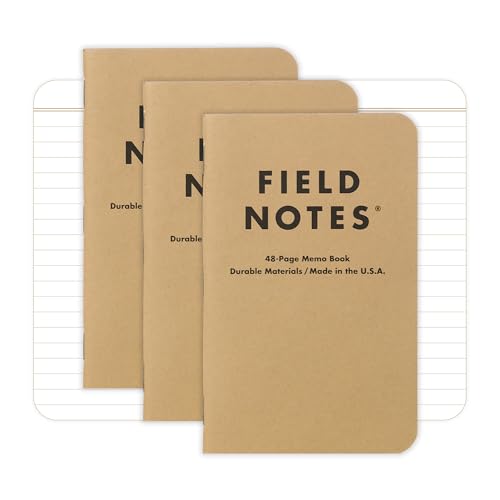
Sometimes the best project note is the one you actually have with you when a spark of inspiration hits. These pocket-sized books are perfect for recording quick row increments or noting a yarn substitution while browsing at your local shop.
They are inexpensive and slim, making them ideal for the minimalist knitter who doesn’t want to carry a heavy journal. You can easily dedicate one book per project and tuck it directly into the project bag alongside your yarn.
The limitation is space; you won’t be sketching full-scale schematics in these. Treat them as your "field notes" for quick data, and archive them once the project is bound off.
Hobonichi Techo Planner: Best For Daily Knitting Log
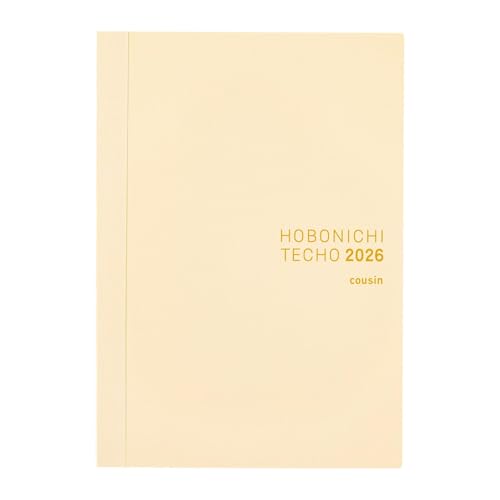
The Hobonichi is famous for its thin, high-quality Tomoe River paper, which allows for a massive amount of information in a compact size. It’s perfect for the knitter who wants to log daily progress, such as "finished 4 repeats of the lace chart today."
Having a daily calendar view alongside your project notes helps you track how long a project actually takes to complete. You might be surprised to see that a pair of socks takes you three weeks of casual knitting rather than the two days you imagined.
This level of detail can be addictive, but it requires a commitment to writing every day. If you miss a few days, the empty pages can feel like a chore, so use this only if you enjoy the ritual of daily logging.
Why Every Knitter Needs A Dedicated Project Planner
A project planner is your insurance policy against the "mystery project" syndrome. We’ve all found a half-finished sweater in a bag years later, unable to remember the needle size used or the specific modifications made to the sleeve length.
By logging your details, you create a feedback loop that improves your future knitting. You learn, for instance, that you consistently knit tighter on circular needles than straight ones, or that a certain wool-blend fiber grows significantly after blocking.
Ultimately, a planner turns your knitting into a data-driven craft. It allows you to replicate your successes and understand the root cause of your failures, making every subsequent project more enjoyable and successful.
Essential Details To Log For Your Knitting Projects
To get the most out of your notebook, ensure you are capturing the data that actually impacts the final garment. Beyond just the pattern name, focus on these critical elements:
- Yarn details: Brand, fiber content, colorway, and dye lot.
- Needle specifications: Size, material (wood, metal, plastic), and cable length.
- Gauge data: Stitches and rows per 4 inches, both before and after wet blocking.
- Modifications: Any changes to length, width, or stitch count.
- Blocking method: How you set the stitches (steam, soak, pinning).
Recording these details allows you to adjust your tension or fiber choice for the next project. If a sweater turned out too long, you’ll have the exact row count recorded to subtract for the next iteration.
How To Organize Your Stash And Patterns Efficiently
Your notebook should also serve as a bridge between your stash and your future projects. Use a section of your planner to index your yarn inventory, noting the yardage, weight (fingering, worsted, bulky), and intended project.
When you’re ready to start something new, cross-reference your stash list with your pattern library. This prevents the common mistake of buying more yarn for a project when you already have a perfect match sitting in a bin at home.
Consistency is key; update your stash notes whenever you buy new yarn or finish a project. By keeping your "inventory" and your "project log" in the same place, you turn your chaotic pile of yarn into a curated collection of future possibilities.
Choosing the right planner is a personal decision that depends entirely on your unique knitting style and organizational habits. Whether you prefer the structure of a guided journal or the freedom of a blank notebook, the act of writing down your process is what truly elevates your craft. Start small, stay consistent, and watch as your notes become as cherished as the finished garments themselves. Happy knitting, and may your row counts always be accurate.