7 Best Embroidery Frames For Large Scale Projects
Tackle expansive designs with ease. Discover the 7 best embroidery frames for large-scale projects, focusing on stability, tension control, and fabric support.
Tackling a massive embroidery project is much like committing to a complex, multi-strand colorwork sweater; the right infrastructure is the difference between a joy-filled process and a repetitive strain injury. When your canvas spans several feet, holding it in your hands becomes physically impossible and detrimental to your tension. These seven frames provide the structural support necessary to keep your stitches uniform and your posture intact. Choosing the right tool ensures your hard work remains pristine from the first stitch to the final knot.
Edmunds Hand-Held Rotating Embroidery Frame

This frame is a classic choice for those who want to transition from small hoops to larger pieces without committing to a full floor stand. It utilizes a rotating scroll mechanism that allows you to move your fabric as you work, keeping the stitching area taut and accessible.
It functions similarly to circular knitting needles in that it offers a specific, ergonomic advantage for repetitive motions. By securing your fabric between two rollers, you eliminate the constant repositioning required by traditional hoops, which can often leave permanent creases or distort the weave of your fabric.
The tradeoff here is weight; holding a large frame for hours can tire your wrists just as much as holding a heavy wool blanket while knitting. If you have a sensitive grip, consider using a lap pillow to take the load off your hands while you work.
American Dream Products Large Floor Frame

When you are working on a project that rivals the scale of a king-sized afghan, a floor frame becomes your best friend. These units are designed to hold the weight of the fabric entirely, allowing your hands to focus solely on needle placement.
The stability of a floor frame is unmatched, providing a rock-solid foundation for long-term projects. Much like a sturdy yarn swift, it removes the "holding" burden, which is essential if you suffer from hand fatigue or joint stiffness after long sessions of fine needlework.
Be aware that these frames require a dedicated space in your craft room. If you live in a small apartment, ensure you have the footprint to accommodate the base, as these are not tools you want to be assembling and disassembling daily.
Q-Snap 17 by 17 Inch Square Frame System
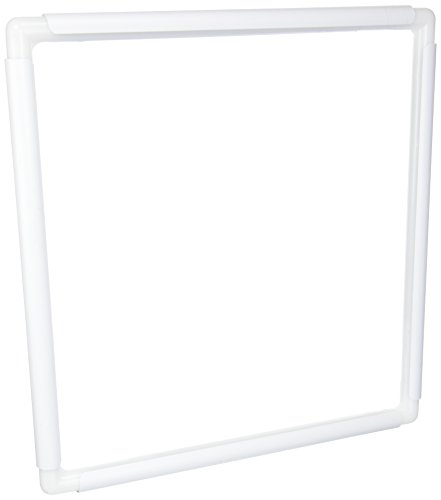
The Q-Snap system is the "interchangeable needle" set of the embroidery world. Its modular design allows you to snap together different lengths of PVC tubing to create a frame size that perfectly fits your current pattern.
The tension provided by these frames is exceptional, mimicking the consistent drag you get from a well-balanced circular needle. Because the fabric is held by a snap-on clamp, you can achieve a "drum-tight" surface that prevents the puckering often seen when working on large, loose fabric panels.
However, the plastic clamps can be stiff, especially for those with limited hand strength. If you find them difficult to snap on, consider wrapping your fabric with a thin layer of muslin before clamping to protect the fibers and provide extra grip.
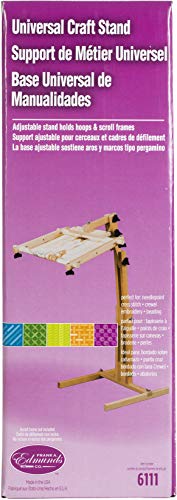
Frank A. Edmunds Universal Craft Stand
This stand is the workhorse of the fiber arts community, offering a high degree of adjustability that accommodates almost any hoop or frame you already own. It is the equivalent of a universal knitting needle organizer—highly adaptable and incredibly practical.
The ability to tilt and rotate the frame is its greatest strength, allowing you to reach the back of your work with ease. This is vital for maintaining clean, professional-looking backs on large-scale pieces, where stray threads can easily become tangled or messy.
While it is highly versatile, it does have a learning curve regarding the tightening knobs. Ensure you check the tension of these joints periodically, much like you would check your gauge swatch before starting a major garment project.
Needlework System 4 Floor Stand Base

If you take your embroidery as seriously as a professional knitter takes their tension, the Needlework System 4 is the gold standard. This base is engineered for heavy-duty use, providing a level of vibration-free stability that is hard to find elsewhere.
The modular arms allow you to position your work at the exact height and angle required for your specific chair or sofa. It effectively eliminates the "hunching" that leads to neck pain, making it a sound investment for your long-term physical health.
The cost is a significant factor, but consider the price as an investment in your craft. If you plan on doing large-scale work for years to come, the ergonomic benefits far outweigh the initial expense of high-quality equipment.
Lowery Workstand for Large Scale Projects
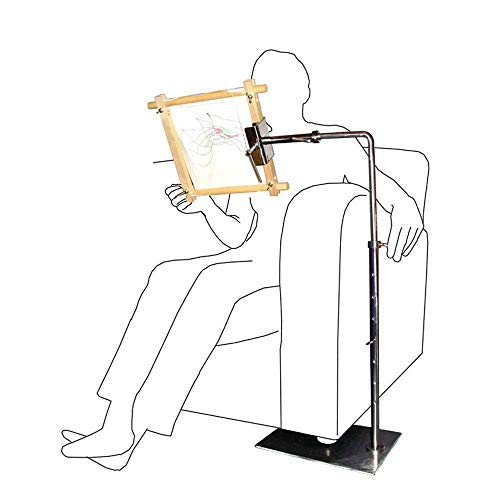
The Lowery stand is famous for its "side-clamp" design, which leaves the bottom of your work completely clear. This is a game-changer for large-scale projects where you need to move your hands freely behind the fabric without hitting a central pole.
It is incredibly slim and unobtrusive, making it perfect for makers who don’t want their living room to look like a workshop. It provides a clean, professional setup that keeps your focus entirely on the stitches rather than the hardware.
One common mistake is failing to tighten the main adjustment lever sufficiently, which can lead to the frame "drooping" under the weight of heavy linen. Always test the locking mechanism before you start a long session to ensure your work stays exactly where you want it.
Elbesee Versatile Seat Embroidery Frame

This frame is designed specifically to be used while sitting, utilizing the weight of your own body to stabilize the base. It is an excellent solution for those who want the benefits of a floor frame without the massive footprint.
It is particularly useful for those who knit and embroider in the same chair. By tucking the base under your cushion, you create a stable, ergonomic station that keeps your fabric at eye level, reducing strain on your upper back and shoulders.
Keep in mind that this frame is best suited for standard seating arrangements. If you prefer to stitch on a deep, plush sofa, the base might feel less secure, so always ensure the frame is firmly wedged before starting your work.
How to Choose the Best Frame for Your Project
Choosing a frame is a balance between the scale of your project and your personal workspace limitations. Just as you wouldn’t use a 40-inch circular needle for a pair of socks, you shouldn’t use a massive floor frame for a small wall hanging.
- Fabric Weight: Heavy fabrics like canvas require a frame with a stronger clamping mechanism than delicate silk.
- Project Size: Ensure the frame is at least two inches wider than your design to allow for proper tensioning.
- Ergonomics: Prioritize frames that allow for height and angle adjustments to prevent repetitive strain.
Don’t be swayed by the aesthetic of the frame; focus on the mechanics. A frame that is difficult to adjust will eventually sit in a closet, so choose one that fits your workflow and physical needs first.
Tensioning Fabric for Large Embroidery Pieces
Proper tension is the secret to a professional finish, regardless of whether you are working on a quilt or an embroidery piece. If your fabric is too loose, your stitches will be uneven; if it is too tight, you risk distorting the weave of the cloth.
- Work from the center outwards: Always tighten your fabric from the middle toward the edges to ensure even distribution.
- Use a protective layer: Wrap your frame bars in cotton tape to prevent the fabric from slipping and to protect the fibers from the frame’s material.
- Check periodically: Much like checking your gauge as you knit, re-check your fabric tension every few hours to ensure it hasn’t slackened.
Avoid the temptation to over-stretch the fabric, as this can lead to permanent distortion once the piece is removed from the frame. A firm, consistent tension is always superior to an aggressive, uneven pull.
Maintaining Your Embroidery Frame for Longevity
Treat your embroidery frame with the same care you give your favorite wooden knitting needles. Wood frames should be checked for rough spots or splinters that could snag your thread, while metal frames should be kept clean of dust and debris.
- Clean regularly: Wipe down your frames with a soft cloth to remove oils from your hands, which can degrade the finish over time.
- Tighten hardware: Periodically check all screws and knobs to ensure they aren’t loose, which can cause the frame to wobble during use.
- Storage: Store your frames in a cool, dry place to prevent warping, especially if they are made of natural wood.
By maintaining your equipment, you ensure that your tools remain as reliable as the day you bought them. A well-cared-for frame is a quiet partner in your creative process, allowing you to focus entirely on the beauty of your stitches.
Investing in the right embroidery frame is an act of respect for your craft and your body. Whether you choose the modular flexibility of a Q-Snap or the heavy-duty stability of a floor stand, the goal remains the same: creating a comfortable environment for your creativity to flourish. Take your time, assess your physical needs, and choose the tool that will support your biggest, most ambitious projects. Happy stitching, and may your tension always be consistent.