7 Best Winding Spindles For Hand Spinning To Try
Discover the top 7 winding spindles for hand spinning. This guide compares styles and weights to help you choose the perfect tool for your spinning journey.
Hand spinning your own yarn is the ultimate way to achieve complete creative control over your knitting projects. Choosing the right spindle is the first step toward transforming raw fiber into the perfect yarn for your next sweater or shawl. While the market is flooded with options, focusing on mechanics and balance will save you years of frustration. Here are the seven best spindles to consider as you begin or refine your spinning journey.
Schacht Hi-Lo Spindle: Best Overall for Beginners


The Schacht Hi-Lo is a staple in the fiber arts community for a reason: it is incredibly forgiving. Its unique design allows you to place the whorl in two different positions, essentially giving you two spindles in one.
When you place the whorl at the bottom, you get a longer spin time, which is ideal for beginners learning to draft fiber. Moving it to the top position creates a faster, snappier spin that helps when you’re ready to master finer, more consistent yarn weights.
This spindle is virtually indestructible, making it a reliable workhorse for your knitting bag. If you are just starting to spin, the weight distribution here will help you understand the relationship between momentum and twist without feeling overwhelmed.
Jenkins Turkish Spindle: Best for Portable Spinning
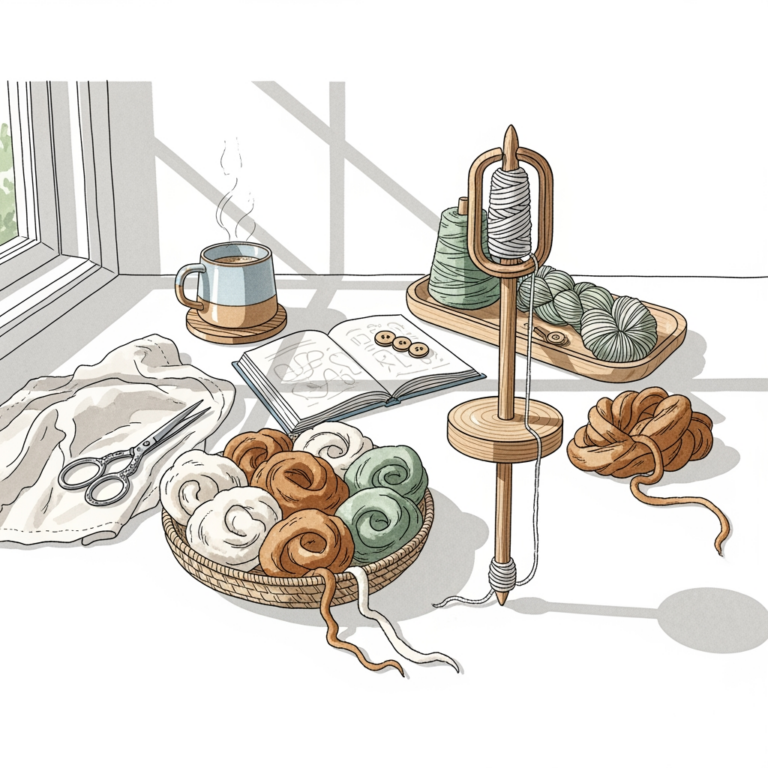
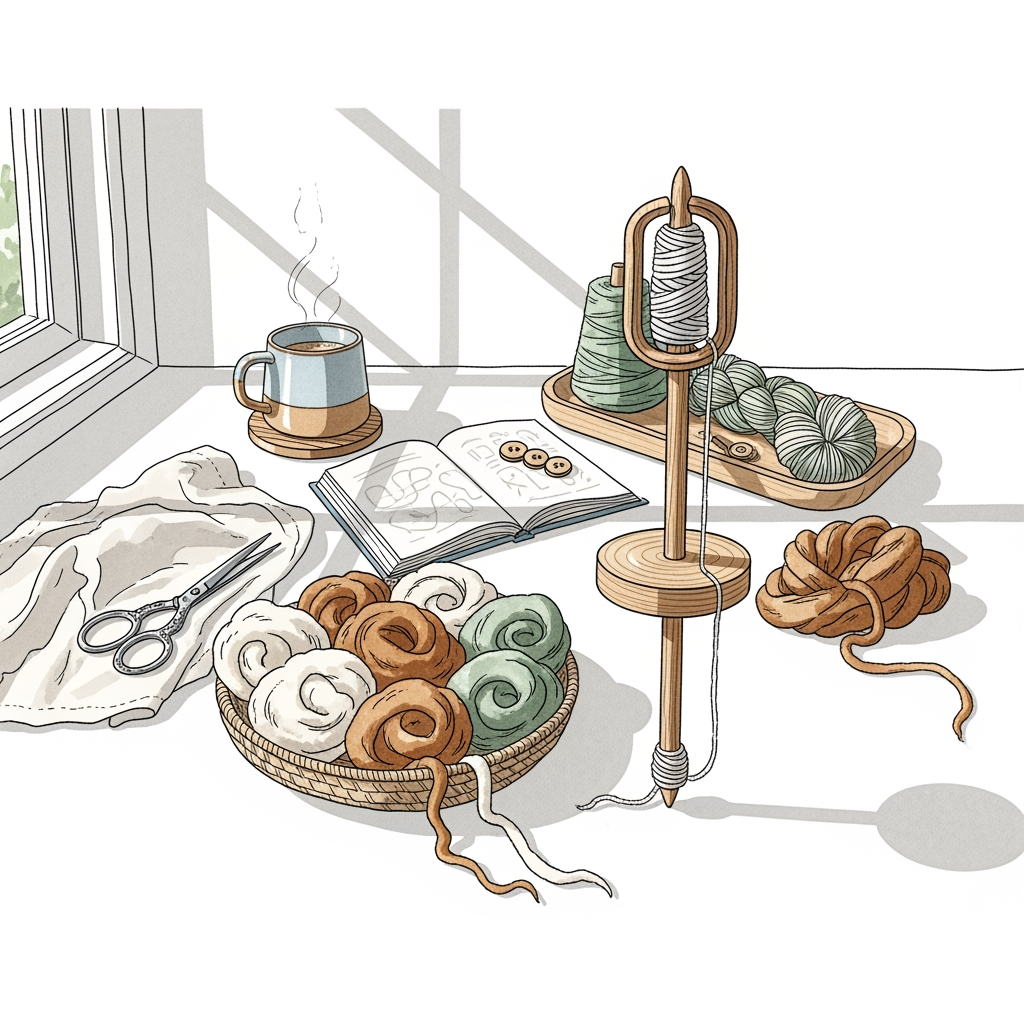
If you’ve ever wanted to spin while sitting in the park or waiting for a flight, the Jenkins Turkish spindle is your go-to. These spindles are renowned for their exquisite balance and the way they break down into three small pieces.
The magic of a Turkish spindle is the cross-bar assembly, which allows you to wind your finished yarn directly into a center-pull ball. This eliminates the need to wind your yarn off the spindle later, saving you precious time before you start your knitting project.
Because they are handcrafted from beautiful hardwoods, they feel like a piece of art in your hands. Just be mindful that they require a bit of practice to assemble correctly; once you get the hang of it, you’ll never want to use anything else on the go.
Bosworth Mid-Weight Spindle: Best for Consistency
Consistency is the holy grail of hand-spinning, and Bosworth spindles are engineered to help you achieve it. These spindles are known for their exceptional balance, which ensures they spin true and steady for a long time.
The weight is distributed perfectly toward the rim, which provides the necessary inertia to keep the spindle moving even when you aren’t paying close attention. This is a massive advantage when you’re spinning a large batch of fiber for a sweater and need the yarn to stay uniform in thickness.
While they are an investment, the quality of the wood and the precision of the turning make them a lifetime tool. If you find your yarn is often lumpy or inconsistent, the stability of a Bosworth can help you smooth out your technique.
Snyder Spindle Co. Support: Best for Fine Yarns
Support spindles are designed to be used with the tip resting in a bowl or on a table, which is essential for spinning delicate, fine fibers. Snyder Spindle Co. creates tools that are perfectly weighted for these high-twist, lightweight tasks.
Because you aren’t fighting gravity to keep the spindle from pulling the yarn apart, you can focus entirely on drafting. This is the ideal environment for spinning lace-weight singles that you intend to use for intricate, airy knitting projects.
These spindles are highly specialized, so they aren’t the best choice for bulky, heavy wool. However, if your goal is to spin fine, consistent yarn for delicate knitting, the precision of a Snyder spindle is unmatched.
Hansen Crafts Mini Spinner: Best Modern Tool Choice

For those who want the speed of a machine with the tactile connection of hand spinning, the Hansen Crafts Mini Spinner is a fascinating hybrid. While it is technically an electric spinning wheel, its size and portability make it a competitor for those who find spindles too slow.
It is perfect for the knitter who wants to spin a large quantity of yarn in a short amount of time. You can adjust the speed and tension with a simple dial, giving you total control over the character of your yarn.
The tradeoff is the loss of the meditative, manual rhythm found in traditional spindle spinning. If you are a high-volume knitter who needs to spin a sweater’s worth of yarn quickly, this is the modern solution.
Golding Spindle: Best for Heirloom Craftsmanship
Golding spindles are widely considered the gold standard in the spinning world. They are meticulously balanced, beautifully finished, and designed to perform flawlessly for generations.
The weight and spin time are calibrated to perfection, making the act of spinning feel effortless. Using a Golding feels like driving a luxury car; the mechanics are so smooth that you stop thinking about the tool and start focusing entirely on the fiber.
These are heirloom pieces that you will likely pass down to another knitter. While they are expensive, the joy of using a tool that is perfectly crafted to your hand is worth the investment for a dedicated spinner.
Kromski Sonata Spindle: Best for Versatile Weight
Kromski is famous for their spinning wheels, but their spindles carry that same design philosophy of versatility. The Sonata spindle is designed to handle a wide range of fiber types, from slippery alpaca to sturdy highland wool.
The balance is excellent, and the weight is right in the "sweet spot" for most medium-weight knitting yarns. It is a great "do-it-all" tool if you don’t want to collect a dozen different spindles for different projects.
It is a sturdy, reliable tool that bridges the gap between beginner and advanced spinning. If you want a single spindle that can handle almost anything you throw at it, this is a very strong contender.
How to Select the Right Spindle Weight for Fiber
Choosing the right spindle weight is all about matching the tool to the fiber you are spinning. A rule of thumb is to use a lighter spindle for fine, delicate fibers and a heavier spindle for coarse, bulky wool.
- Light Spindles (under 20g): Best for lace-weight, silk, or fine angora.
- Medium Spindles (20g–40g): Ideal for standard wools and everyday knitting yarns.
- Heavy Spindles (over 40g): Necessary for long-staple, bulky, or carpet-grade wools.
If your spindle is too heavy, it will snap your delicate fiber before you can draft it. Conversely, a spindle that is too light won’t have enough momentum to pull the twist into a thick, bulky roving.
Drop Spindle vs. Support Spindle: Key Differences

The primary difference between a drop spindle and a support spindle is the role of gravity. A drop spindle hangs freely, using its weight to pull the twist into the fiber, which is great for building speed.
Support spindles are used with a bowl or a surface, meaning the weight of the spindle doesn’t pull on the fiber. This is vital for very fine, fragile fibers that would break under the weight of a hanging drop spindle.
Choosing between them depends on your project goals. If you want to spin quickly while walking or sitting, go with a drop spindle; if you want to spin delicate fibers with total control, choose a support spindle.
Essential Tips for Maintaining Your Wood Spindles
Wood is a natural material that reacts to changes in humidity and temperature. To keep your spindles in top condition, avoid leaving them in direct sunlight or near heat sources, which can cause the wood to warp or crack.
Occasionally, you may want to apply a tiny amount of wood wax or oil to keep the finish smooth and prevent the fiber from snagging. Always check the hook or notch for burrs, as even a tiny rough spot can catch your yarn and break your rhythm.
Treat your spindles with care, and they will remain balanced and functional for years. A well-maintained spindle is an extension of your creative process and a vital part of your knitting toolkit.
Finding your favorite spindle is a deeply personal journey that evolves alongside your spinning skills. Don’t be afraid to experiment with different weights and styles until you find the one that feels like an extension of your own hand. Once you find that perfect balance, the transition from raw fiber to hand-knit garment becomes a seamless, rewarding experience. Happy spinning, and may your yarn always be as consistent as your stitches.