6 Best Foam Mats For Blocking Projects To Use
Blocking is key to perfect knitting. Discover our top 6 foam mat picks that offer durability, heat resistance, and precise grid alignment for every project.
Blocking is the single most transformative step in the knitting process, turning a slightly uneven piece of fabric into a professional-looking garment. Choosing the right surface can make the difference between a frustrating pinning session and a relaxing finish to your hard work. Whether you are working with delicate lace or heavy wool sweaters, your mat is your foundation. This guide explores the best options to ensure your stitches set perfectly every time.
Knitter’s Pride Knit Blockers: Best Overall Pick
These aren’t just mats; they are a system designed to save your thumbs from the repetitive strain of individual T-pins. The Knit Blockers feature a row of pins embedded in a plastic base, allowing you to secure long, straight edges in a single motion.
This is a game-changer for someone working on a wide lace shawl or a heavy scarf. Instead of wrestling with fifty individual pins, you press one blocker down and move to the next section. It significantly reduces the time spent on the "finishing" phase of your project.
However, keep in mind that these are rigid. They excel at straight lines but are less effective for highly curved edges like a circular yoke or a deep armscye. For the best results, use these in tandem with standard T-pins for the tricky corners.
Boye Interlocking Foam Mats: Best Budget Option


If you are just starting your journey or only block a project once or twice a year, you don’t need a professional-grade studio setup. Boye Interlocking Mats offer a reliable, no-frills surface that gets the job done without breaking the bank.

These mats are lightweight and easy to tuck away in a closet when not in use. The interlocking edges are secure enough to hold a standard-sized sweater, and the foam is thick enough to hold a pin firmly in place.
The tradeoff here is durability. Over time, the foam can show wear from repeated pin holes, and the edges may fray if you are constantly assembling and disassembling them. If you are a prolific knitter, you might find yourself replacing these sooner than a higher-density professional set.
Cocoknits Blocking Mats: Best Eco-Friendly Choice

Sustainability is increasingly important in the fiber arts, and Cocoknits addresses this by using EVA-free materials. These mats are made from rubber, which provides a satisfyingly grippy surface that prevents your wet knitting from sliding around while you pin.
The standout feature here is the printed grid on the surface. Having a visual guide makes it incredibly easy to ensure your sweater panels are identical in size. It takes the guesswork out of symmetry, which is vital for professional-looking seams.
Because they are made of natural rubber, they have a distinct, earthy scent when you first unpack them. This dissipates quickly, but it is something to note if you are particularly sensitive to smells in your crafting space.
Clover Blocking Mats: Best for Delicate Projects
When you are working with fine-gauge lace or luxury fibers like silk and mohair, you need a surface that won’t snag. Clover mats are known for their smooth, consistent texture that protects the integrity of your delicate yarn.

These mats are exceptionally dense, which means they hold pins at a perfect 90-degree angle. This is critical for lace, where you need to maintain consistent tension to open up the yarn-overs and create those crisp, airy patterns.
While they are excellent for precision, they are often smaller than the "jumbo" sets on the market. They are perfect for blocking individual lace motifs or a pair of socks, but you might need two sets if you are blocking a full-sized adult sweater.
Mindful Collection Mats: Best for Large Projects

If you are a sweater knitter, you know the struggle of trying to fit a bulky cardigan onto a tiny blocking board. The Mindful Collection offers larger surface areas that allow you to lay out an entire garment without having to cram it into a confined space.
The color palette is calming and neutral, which helps you focus on the stitch definition of your project. The foam is high-density, meaning it resists the "pull" of heavy, water-saturated wool, ensuring your piece doesn’t sag or distort during the drying process.
Because of their size, they do take up more floor space. Ensure you have a dedicated corner where your project can sit undisturbed for 24 to 48 hours, as these aren’t the type of mats you can easily move once they are loaded with a heavy sweater.
Foam Tiles with Grids: Best for Precision Work
Many knitters overlook the utility of standard foam tiles with printed grids, but they are the secret weapon for those who love math-based knitting. If you are designing your own patterns or resizing a sweater, these grids are indispensable.
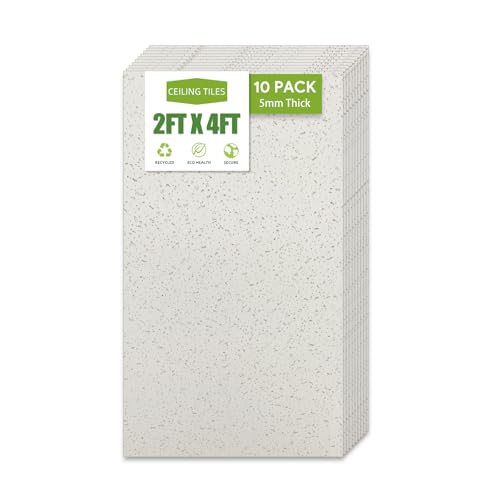
The grid lines allow you to measure your stitch and row gauge while the piece is pinned out. This helps you confirm if your blocking is actually achieving the dimensions required by your pattern’s schematic.
Be careful to check the quality of the foam density before purchasing. Some generic tiles are too soft, causing the pins to lean or pop out when the weight of the damp yarn pulls on them. Look for "high-density" specifically to ensure your pins stay upright.
Key Factors for Choosing Your Blocking Surface
When selecting your mat, consider the density of the foam above all else. A mat that is too soft will cause your pins to shift, leading to uneven edges and distorted stitch patterns.
Think about your primary project type:
- Lace: Requires high-density mats that hold pins at a rigid angle.
- Sweaters: Benefit from larger surface areas and printed grids for symmetry.
- Socks/Small Items: Can get away with smaller, portable, or budget-friendly sets.
Always check if the mats are water-resistant. Since blocking involves wet-finishing, you want a surface that won’t absorb the moisture and develop mold or mildew over time.
Why Thickness Matters for Pinning Your Projects
Thickness is more than just comfort; it is about the security of your pin. A thin mat will allow your pins to poke through the bottom, potentially damaging your carpet or hardwood floor underneath.
A thicker mat, ideally at least 0.5 to 1 inch, allows you to sink the pin deep into the foam. This creates a secure anchor that won’t move, even when you are stretching a stubborn wool that wants to snap back to its original shape.
If you are working with heavy, superwash wool, remember that it holds a significant amount of water. A thicker, denser mat will support that weight without buckling or sagging in the middle.
Essential Tips for Proper Blocking Techniques
Always ensure your project is damp, not soaking wet, before pinning it out. Excess water makes the fibers heavy and prone to over-stretching, which can permanently distort the fabric’s structure.
- Roll, don’t wring: Use a clean towel to roll your project up and press out the moisture.
- Start from the center: Always pin the center of your piece first and work your way out to the edges.
- Respect the fiber: Avoid aggressive stretching on delicate fibers like alpaca or silk, which have little "memory" and may not bounce back.
Don’t rush the drying process. Let the piece dry naturally in a well-ventilated area, away from direct heat sources like radiators, which can make the yarn brittle.
How to Maintain Your Mats for Longevity
To keep your mats in top condition, always wipe them down with a damp cloth after use to remove any residual dye or lint. Storing them in a cool, dry place will prevent the foam from degrading or becoming sticky over time.
Avoid leaving pins in your mats for long-term storage. While it might be tempting to leave them ready for the next project, the metal can react with the foam, and it creates unnecessary holes that weaken the surface over time.
If you notice your mats are losing their grip or becoming warped, it is usually a sign that the foam has reached the end of its life. Investing in a fresh set is a small price to pay to protect the hundreds of hours you have invested in your knitting.
Blocking is the final act of love for every project, and having the right tools makes that final step a joy rather than a chore. Whether you choose the precision of a grid mat or the convenience of a blocker system, prioritize density and size to suit your specific knitting style. With a solid foundation beneath your needles, your finished pieces will look as professional as they feel. May your stitches always be even and your blocking sessions successful.