6 Best Circular Rulers For Measuring Diameter Reviewed
Finding the right circular ruler is key for precise measurements. We review the 6 best tools for gauging diameter, focusing on accuracy, durability, and ease.
Every knitter has experienced that moment of panic when a needle size label rubs off or a stray needle rolls under the couch. A reliable circular needle gauge is the unsung hero of your project bag, ensuring your tension remains consistent from cast-on to bind-off. Without one, you are essentially guessing your gauge, which is a recipe for a sweater that fits a toddler instead of an adult. Here are six of the best tools to keep your stash organized and your projects perfectly sized.
Clover Knitting Needle Gauge: The Reliable Classic
The Clover gauge is the industry standard for a reason: it is simple, lightweight, and incredibly easy to read. If you are a beginner who just needs to identify that mystery needle from a thrift store haul, this is your best starting point.
It covers a wide range of sizes, including those tricky metric measurements that often cause confusion. Because it is made of durable plastic, it won’t scratch the finish of your delicate wooden or carbon fiber needles.


However, be aware that the plastic can develop slight burrs over many years of heavy use. If you notice your needles catching, it is time to replace it. For most, it remains the most functional, no-nonsense tool in the kit.
ChiaoGoo Needle Gauge: Precision for Fine Tools
ChiaoGoo is beloved for their high-quality stainless steel needles, and their gauge follows suit with exceptional precision. This tool is a must-have if you frequently work with lace-weight yarn and tiny needles, where even a 0.25mm difference ruins your stitch definition.
The markings on this gauge are etched rather than printed, meaning they will never wear off after years in your notions pouch. It feels substantial in the hand, offering a level of tactile feedback that flimsy plastic gauges simply cannot match.
Because it is metal, it is slightly heavier, but it is also virtually indestructible. If you are a sock knitter who lives by the 2.00mm to 2.50mm range, the accuracy here is worth every penny.
Susan Bates Knit Chek: The Essential Multi-Tool
The Susan Bates Knit Chek is a classic for a reason: it does more than just measure diameter. It includes a built-in ruler for checking your gauge swatch, which is arguably the most important step in any knitting project.
It is small enough to fit into even the most crowded project bag. The combination of the needle sizer and the ruler means you have less clutter to carry to your local knitting group or on long commutes.
The downside is that the printed numbers can eventually fade with heavy friction. Keep it in a small protective sleeve if you want to keep the markings crisp for the long haul.
Brittany Birch Needle Gauge: Sustainable Precision

For those who prefer natural materials, the Brittany Birch gauge is a beautiful, tactile alternative to plastic or metal. It is crafted from sustainably harvested birch, making it a favorite for knitters who appreciate the aesthetic of their tools.
It is gentle on your needles, ensuring that even the most fragile vintage bamboo needles won’t be scratched. The natural wood grain provides a lovely grip that feels warm and organic in the hand.
While it is sturdy, remember that wood is a natural product and can swell if exposed to extreme moisture. Keep it away from your steaming iron or spilled tea to ensure the sizing holes remain perfectly round and accurate.
Knitter’s Pride Mindful Gauge: Elegant Accuracy

The Mindful Collection from Knitter’s Pride brings a sense of calm and organization to your knitting space. This gauge is designed with a focus on both beauty and function, featuring a clean, minimalist aesthetic that is very easy to read.
It is particularly useful for knitters who suffer from eye strain, as the contrast between the background and the sizing numbers is exceptionally sharp. It feels like a high-end tool that deserves a place on your crafting desk.
The construction is robust and resists bending, which is a common failure point for cheaper gauges. If you want a tool that looks as good as it performs, this is a top-tier choice.
Boye Aluminum Needle Gauge: The Durable Standard
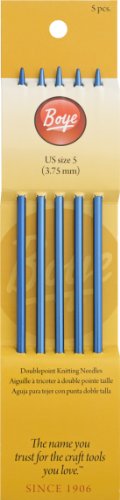
The Boye aluminum gauge is the "tank" of the knitting world. If you are prone to losing or dropping your tools, this metal gauge will survive being stepped on, thrown in a bag, or buried under a pile of yarn.
It provides a very crisp, clear measurement every time you slide a needle through the hole. Because it is aluminum, it is thin and lightweight, making it easy to tuck into the pocket of a circular needle case.
Be mindful that aluminum can occasionally be a bit sharp on the edges if you aren’t careful. A quick pass with a fine-grit sandpaper or a nail file can smooth out any rough spots, making it a custom-fit tool for years to come.

Why Accurate Needle Sizing Matters for Your Gauge
Your gauge is the blueprint of your project, and the needle size is the foundation. Even a half-size difference can result in a garment that is inches too large or too small, turning a dream project into a wearable disaster.
- Fabric Drape: Using a needle that is too large will make your fabric loose and prone to sagging.
- Stitch Definition: Using a needle that is too small for the yarn weight will make your stitches look cramped and stiff.
- Consistency: Measuring your needles ensures that if you start a project today and finish it next year, you are using the exact same diameter.
Always measure your needles before you start, especially if they are vintage or second-hand. Labels fade, and manufacturing standards have changed over the decades, making a physical gauge your only source of truth.
How to Measure Worn Needle Sizes With Confidence
When measuring, always ensure the needle passes through the hole without force. If you have to push or twist the needle to get it through, you are likely using a hole that is too small, which will give you a false reading.
If your needle falls through a hole with a significant "clack" or loose wiggle, try the next size down. The correct hole is the one where the needle fits snugly but slides through smoothly without resistance.
For needles that have been bent or worn down, rely on the shaft of the needle rather than the tip. The tip of a needle is often tapered, so measuring there will lead you to believe the needle is smaller than it actually is.
Essential Tools for Every Fiber Artist’s Toolkit
Beyond a needle gauge, every knitter should have a few core items to manage their stash and projects. These tools prevent the common frustrations that lead to unfinished objects and abandoned hobbies.
- Tape Measure: Essential for measuring your swatch and your body for a proper fit.
- Stitch Markers: Locking markers are best for lace, while simple rings work for basic stockinette.
- Tapestry Needles: A variety of sizes for weaving in ends and seaming your finished pieces.
- WPI Tool: A simple wrap-per-inch tool helps you identify mystery yarn weights.
Investing in high-quality versions of these tools is cheaper in the long run than replacing cheap, broken plastic versions. Keep them in a dedicated notions bag so they are always ready when inspiration strikes.
Frequently Asked Questions About Needle Gauges

Do all brands use the same sizing standards? No, international sizing can vary between US, UK, and Metric standards. Always verify the mm size on your gauge to ensure accuracy.
Can I use a ruler instead of a gauge? While a ruler can measure the diameter, it is very difficult to get an accurate reading on a round object. A dedicated gauge is far more reliable for precision work.
What should I do if my needle size has rubbed off? Immediately use your needle gauge to identify the size and mark it on the needle with a piece of masking tape or a permanent marker. Don’t wait until you start your next project to find out!
Investing in a quality needle gauge is one of the most practical decisions you can make for your knitting practice. It eliminates the guesswork, protects your hard work, and ensures that your tension remains consistent across every project. Whether you choose a classic plastic gauge or a durable metal one, keep it close by to keep your knitting journey smooth and accurate. Happy knitting, and may your gauge always be spot on.