6 Best Yarn Swift Clamps For Table Mounting Reviewed
Secure your yarn swift with ease. We review the top 6 table clamps, focusing on durability, grip strength, and compatibility to improve your winding process.
There is nothing quite as frustrating as a tangled mess of yarn ruining the joy of starting a new project. A reliable yarn swift is the unsung hero of a knitter’s studio, transforming chaotic hanks into manageable cakes in minutes. Whether you are prepping a delicate lace-weight mohair or a sturdy wool worsted, the right clamp-mounted swift ensures your fiber remains pristine. Choosing the wrong tool, however, can lead to uneven tension and unnecessary knots that steal time away from your needles.
Stanwood Needlecraft Tabletop Swift: Best Overall
The Stanwood Needlecraft swift is a staple in many dedicated knitting rooms for a reason. Its heavy-duty construction and smooth, ball-bearing rotation make it feel like a professional-grade piece of equipment that will last for decades.
When you are winding a large, hand-dyed skein of superwash merino, you need a swift that responds to the slightest pull. The Stanwood excels here, preventing the dreaded "yarn snap" that happens when a low-quality swift sticks mid-rotation.
The clamp is exceptionally sturdy, fitting securely onto most standard table thicknesses without marring the wood. If you prioritize reliability and a smooth winding experience, this is the gold standard for your stash.
Knit Picks Yarn Swift: Best Budget Choice
If you are just beginning your journey into buying yarn in hanks rather than center-pull balls, the Knit Picks swift is a fantastic entry point. It is lightweight, compact, and gets the job done without requiring a significant investment.


While it lacks the heavy-duty metal components of pricier models, it is perfectly adequate for the occasional project. It handles standard sock yarns and worsted weights with ease, provided you don’t overload it with massive, heavy skeins.
Keep in mind that its lighter frame means it can be sensitive to aggressive winding speeds. If you are a fast winder, take it slow to ensure the umbrella mechanism stays balanced and centered.
Lacis Wooden Umbrella Swift: Best Professional Pick
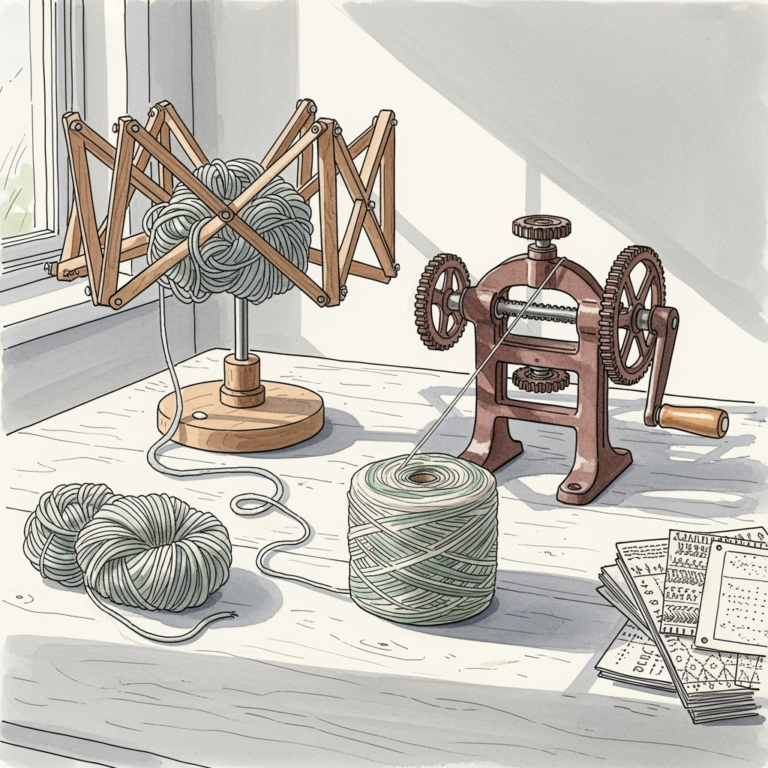
The Lacis wooden umbrella swift is a beautiful piece of craftsmanship that feels like an heirloom tool. Its traditional design is not just aesthetic; the precision-engineered wooden slats provide a consistent, gentle tension that is ideal for delicate fibers like silk or alpaca.
Professionals often prefer this model because it is highly adjustable to accommodate a wide variety of skein circumferences. If you frequently work with vintage lace or hand-spun yarns, the smooth finish of the wood ensures no snagging or fiber damage.
It is a significant step up in price, but the longevity and tactile pleasure of using a high-quality wooden tool are worth it. It turns the chore of winding into a mindful, satisfying part of your project preparation.
Amish Style Wooden Swift: Best Non-Rotating Base
The Amish-style swift operates on a different principle than the traditional umbrella style. Instead of spinning the entire mechanism, the yarn rotates around stationary wooden pegs, which is a brilliant solution for knitters with limited table space.
Because the base is static, you don’t have to worry about the swift swinging into your lamps or coffee mugs. It is incredibly stable and very easy to set up, making it a favorite for those who wind yarn in smaller, busier areas.
The tradeoff is that it requires a bit more manual attention to ensure the yarn doesn’t catch on the pegs. If you are looking for a compact, "set it and forget it" solution, this is an excellent choice.
Royal Hand-Operated Swift: Best for Large Skeins

When you are working with large, 200-gram skeins of bulky yarn, standard swifts can sometimes struggle with the weight and circumference. The Royal swift is designed to handle these larger loads without buckling or losing its alignment.
This model is particularly useful for knitters who buy "sweater quantities" of yarn at once. Its robust frame provides the necessary support to keep heavy, dense fibers from dragging or tangling during the winding process.
While it is a bit bulkier to store, the peace of mind it offers when winding expensive, large-format yarn is invaluable. It is a workhorse tool for the serious garment knitter.
ChiaoGoo Yarn Swift: Best for Portability Needs
ChiaoGoo is well-known for their excellent needles, and their swift follows the same philosophy of practical, user-centered design. This model is exceptionally portable, making it perfect for knitters who attend retreats or guild meetings.
The materials are lightweight yet durable, allowing you to toss it into a project bag without adding significant weight. Despite its portability, it still offers a very smooth rotation that rivals many full-sized tabletop models.
If you find yourself winding yarn away from home, or if you have a small apartment where you need to tuck your tools away after every use, this is your best option. It balances convenience with performance perfectly.
Key Factors to Consider When Buying a Yarn Swift
When shopping for a swift, your primary concern should be the maximum circumference it can accommodate. Always check if your favorite yarn brands produce extra-large skeins that might exceed the capacity of smaller, cheaper models.
Next, evaluate your table surface. Most swifts use a screw-clamp, which requires an overhang; if you have a glass-top table or a thick dining room table with an apron, ensure the clamp opening is wide enough to accommodate it.
- Material: Wood offers a smooth, snag-free surface, while metal/plastic models are often easier to clean and store.
- Rotation: Look for ball-bearing mechanisms for the smoothest possible winding.
- Storage: Can it fold down flat? This is critical for knitters with limited space.
How to Properly Mount Your Swift to Any Table
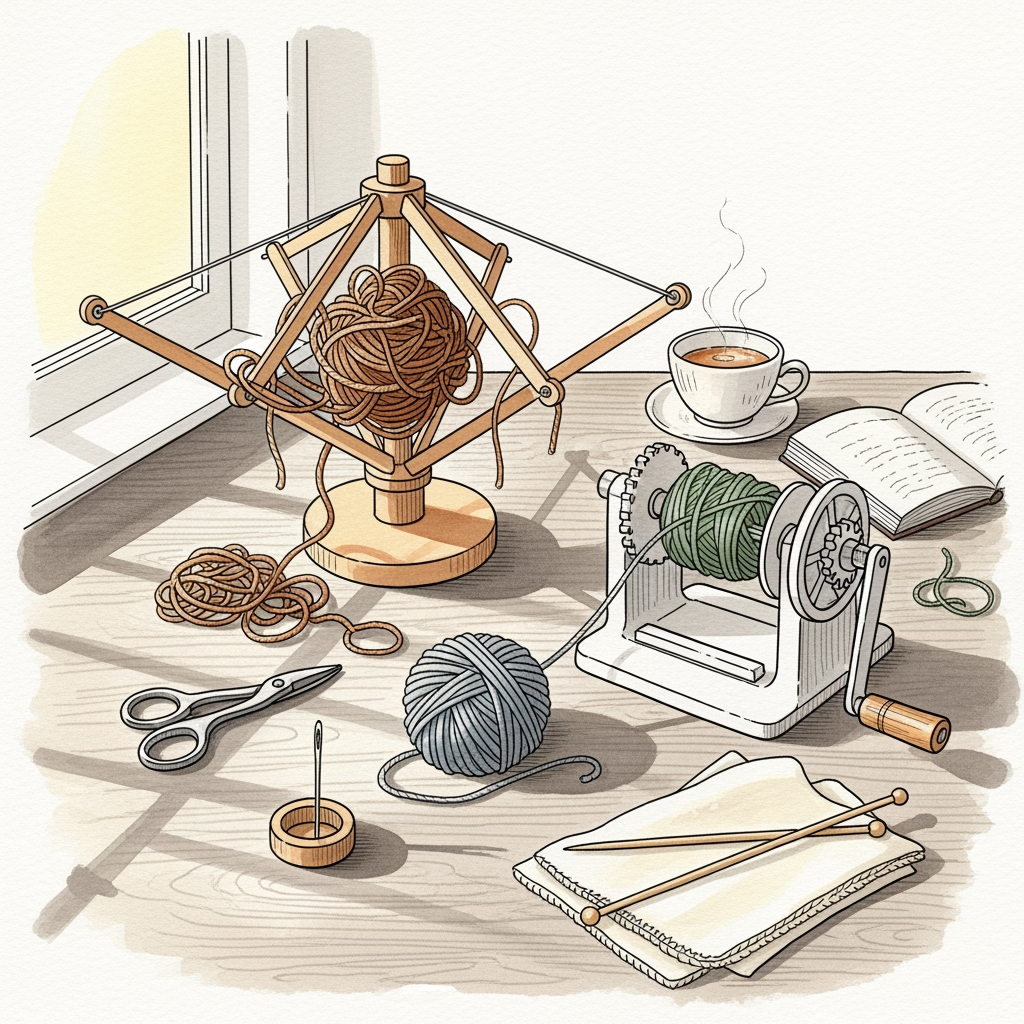
The most common mistake knitters make is failing to tighten the clamp sufficiently, which leads to the swift wobbling during use. Ensure the clamp is flush against the table edge and tightened firmly, but avoid over-tightening if your table is made of soft wood or veneer.
If you are worried about scratches, place a small piece of felt or a silicone pad between the clamp and the table. This adds a layer of grip and protects your furniture from the pressure of the mounting screw.
Finally, ensure the swift is positioned far enough from your ball winder so that the yarn has a clear, straight path. A slight angle is fine, but sharp turns increase the risk of yarn tension issues.
Maintaining Your Swift for Smooth Yarn Winding
A well-maintained swift will last a lifetime, but it does require a little bit of periodic attention. For wooden swifts, a light application of furniture wax or mineral oil keeps the wood from drying out and ensures the sliding parts move freely.

For metal swifts, occasionally check that the screws at the joints are snug. If you notice a squeak or a hitch in the rotation, a tiny drop of sewing machine oil on the central bearing usually solves the problem instantly.
Always store your swift in a dry, temperature-controlled environment. Wood can warp if left in a humid basement, and metal components can become stiff if exposed to extreme cold or moisture.
Troubleshooting Common Yarn Swift Setup Issues
If your yarn is constantly falling off the swift, it is likely because the umbrella is not opened wide enough to create tension. Adjust the arms so the yarn sits snugly; it should be taut, but not stretched to the point of breaking the fiber’s elasticity.
If the swift is "jerking" as it turns, check for yarn ends that have snagged on a screw or a rough patch of wood. Sometimes, the issue is simply that the yarn skein itself was twisted during the dyeing process, which requires you to manually untwist the loops before starting.
Don’t be afraid to slow down your winding speed if you encounter a knot. Forcing the swift to spin faster when a snag occurs is the quickest way to create a permanent tangle or break a delicate ply.
Investing in a quality yarn swift is one of the best decisions you can make for your long-term knitting enjoyment. By choosing a model that fits your specific space and fiber preferences, you eliminate the stress of tangled hanks and set yourself up for success. Take the time to mount it securely, maintain it with care, and you will find that winding your yarn becomes a meditative ritual rather than a chore. Happy knitting, and may your yarn always flow freely from your swift to your needles.