
6 Best Cable Needle Sets For Varied Cable Widths
Explore our top 6 cable needle sets designed for every width. Find the perfect tool to simplify complex stitches and elevate your knitting precision today.
Cables add a sophisticated, structural element to any garment, but the tool you use to hold those stitches can make or break your rhythm. Choosing the right cable needle is about balancing the security of your stitches against the ease of sliding them back onto your working needles. Whether you are working with slippery silk or toothy wool, the right accessory ensures your cable crosses remain crisp and consistent. Here is a guide to the best cable needles available to help you navigate your next complex project.
ChiaoGoo Bamboo Cable Needles: Best for Grip
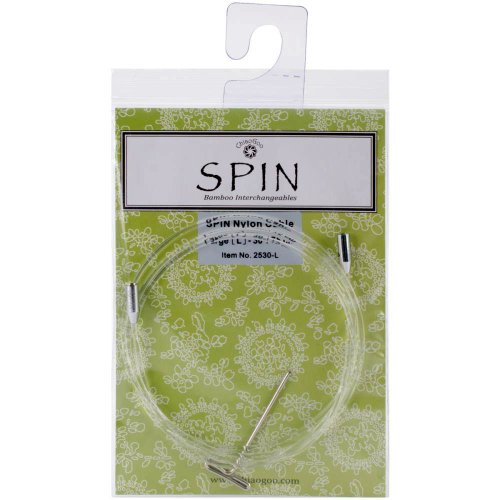

If you have ever had a cable stitch slide off your needle mid-cross, you know the panic of trying to rescue a live stitch. ChiaoGoo’s bamboo needles provide a gentle "tooth" that keeps stitches firmly in place, even when you are working with slippery yarns like bamboo or superwash wool.
The natural surface of the bamboo creates just enough friction to prevent the stitches from migrating while they wait to be worked. This is a game-changer for beginners who are still learning to manage the tension of a cable cross without dropping stitches.
Because these are made from wood, they are lightweight and warm in the hands, reducing fatigue during long sessions of braiding cables. However, keep in mind that bamboo can be fragile in the smallest diameters; treat them with care to avoid snapping the tips.
Clover Takumi Cable Stitch Holders: Best Value
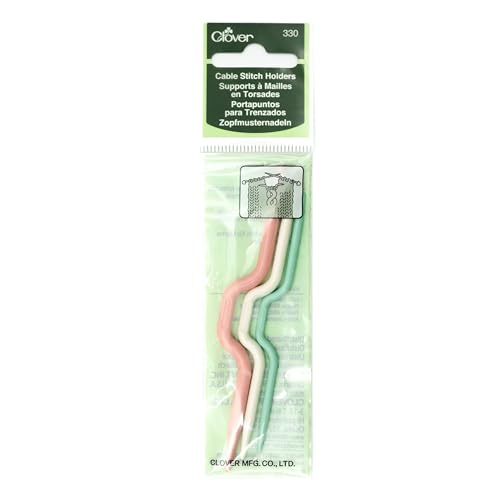
Clover Takumi tools are a staple in almost every knitter’s notions bag for a reason. These holders are inexpensive, widely available, and come in a variety of shapes that accommodate different cable widths.
The U-shaped design is particularly helpful because it allows the stitches to rest comfortably in the "dip" of the holder. This takes the tension off the stitches while you work the surrounding ones, ensuring your cable doesn’t look stretched or distorted.
While they aren’t as "premium" as some wood or metal options, their consistency is unmatched. If you are just starting your cable journey, these provide the most utility for the lowest investment.
Lykke Driftwood Cable Needles: Smooth and Sturdy

Lykke’s driftwood needles are beloved for their beautiful aesthetic and their remarkably smooth finish. They offer a perfect middle ground between the grip of raw bamboo and the speed of polished metal.
These needles feel substantial in the hand, giving you a sense of control that is helpful when managing heavy, complex cable patterns. The wood is treated to be snag-free, so you won’t have to worry about your yarn catching on the needle surface.
Because they are so smooth, they can be slightly more "slippery" than other wooden options. If you are working with a very slick yarn, you might find yourself needing to keep a closer eye on your stitches.
Knitter’s Pride Nova Platina: Best for Speed
When you are working on an intricate cabled sweater with hundreds of crosses, you want a needle that moves fast. The Nova Platina line is plated with chrome, providing a slick surface that allows stitches to glide effortlessly.
The tapered tips are sharp enough to easily pick up even the most stubborn stitches, which is a significant advantage when working with tight, high-twist yarns. These are ideal for the advanced knitter who has mastered their tension and wants to increase their knitting speed.
However, the slickness is a double-edged sword. If you are a loose knitter, these might be too fast, leading to accidental stitch slippage during the cable cross.
Addi Metal Cable Needles: Durable Ergonomics
Addi is legendary for the durability of their metal tools, and their cable needles are no exception. These are virtually indestructible, making them a one-time purchase that will last for your entire knitting career.
The ergonomic shape of these needles is designed to nestle into your hand, reducing the strain that can occur when you are constantly moving needles in and out of your work. The metal surface is polished to a high sheen, ensuring that even the most textured wool yarns slide off without a fight.
Because these are metal, they can be cold to the touch and a bit heavy. If you have sensitive joints, you might find that the weight of the metal becomes noticeable after several hours of knitting.
Brittany Birch Cable Needles: Best for Slippery

Brittany needles are crafted from sustainably harvested birch, known for its tight grain and strength. These are often the go-to choice for knitters working with very slick fibers like mohair, silk, or high-twist cotton.
The birch provides a "grippy" texture that acts like a safety net for your stitches. When you are performing a complex 4-over-4 cable, you need to know those stitches aren’t going anywhere; the birch surface provides that confidence.
These needles are also incredibly smooth despite their grip, meaning they won’t fray your yarn. They are a fantastic investment for anyone who finds themselves fighting their yarn more than enjoying the process.
How to Choose the Right Cable Needle for Your Yarn
Selecting a cable needle is as much about the yarn as it is about the pattern. For high-twist or slippery fibers, always opt for wood or bamboo to provide the friction needed to keep your stitches secure.
If you are working with sticky, high-wool-content yarns that don’t slide well, a metal needle is your best friend. The slick surface will help you maneuver the stitches into place without wrestling with the yarn’s natural "tooth."
Always match the diameter of your cable needle to your working needles. If the cable needle is significantly smaller, you may end up with stretched-out stitches at the point of the cross; if it’s too large, it can pull on your working yarn and distort the gauge.
Understanding J-Hook vs. U-Hook Cable Designs
The shape of your cable needle dictates how it holds your stitches. J-hooks are great for simple crosses, as they allow you to easily slide stitches on and off without much fuss.
U-hooks are superior for more complex, multi-stitch cables. The "dip" in the center of the U holds the stitches away from the working area, preventing them from accidentally slipping off while you knit the next sequence of stitches.
Think about your personal knitting style: do you prefer to keep the cable needle hanging from your work, or do you prefer to hold it? U-hooks are generally more stable if you prefer to let the needle hang, while J-hooks are often easier to manipulate if you are holding them in your hand.
Tips for Preventing Cable Needle Stitch Slippage
The most common cause of slipping is over-stretching the stitches during the cross. Try to keep your cable needle as close to the working needles as possible to minimize the distance the yarn has to travel.
If you find stitches are still popping off, try using a cable needle that is one size smaller than your working needles. This creates a bit of "slack" that makes the maneuver easier to complete without pulling on the surrounding fabric.
Finally, don’t be afraid to use a stitch marker or a rubber point protector on the ends of your cable needle if you are setting the project down. It’s a simple extra step that saves you from having to pick up dropped stitches later.
Essential Maintenance for Your Knitting Notions
Wooden needles can dry out over time, which may lead to them feeling "grabby" or even splintering. A very light application of a natural wood conditioner or beeswax can restore their smooth finish and protect them from moisture.
Metal needles should be wiped down periodically with a soft cloth to remove the natural oils from your skin, which can cause them to become tacky. If your metal needles lose their shine, a quick buffing with a soft polishing cloth will get them back to their original speed.
Store your cable needles in a dedicated case or a small notions pouch to prevent them from bending or getting lost. Because they are small and easily misplaced, keeping them organized is the best way to ensure you always have the right size on hand when inspiration strikes.

Mastering cables is a journey of finding the right rhythm and the right tools to support your hands. By matching the material of your cable needle to the properties of your yarn, you eliminate the frustration of dropped stitches and uneven tension. Experiment with different shapes and materials to see what feels most natural in your grip. With the right needle, those complex braids and twists will become the most rewarding part of your knitting practice.
